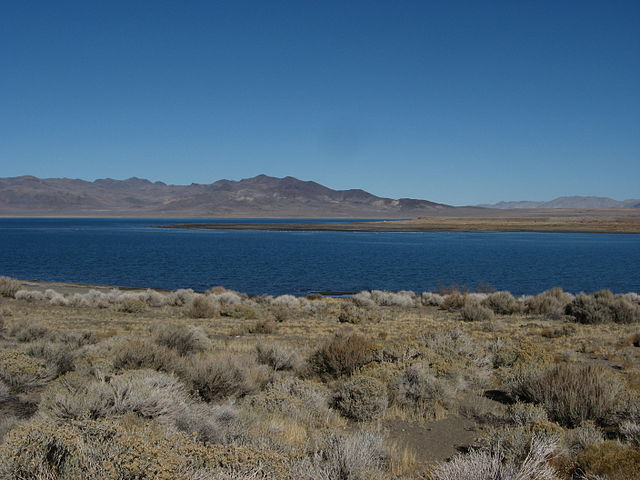
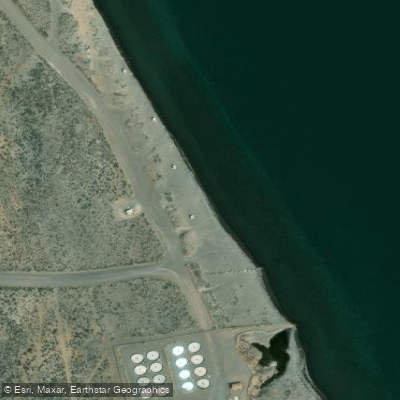
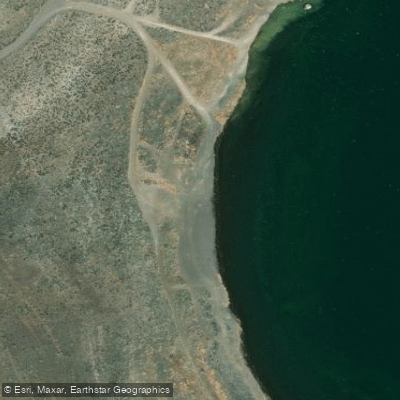
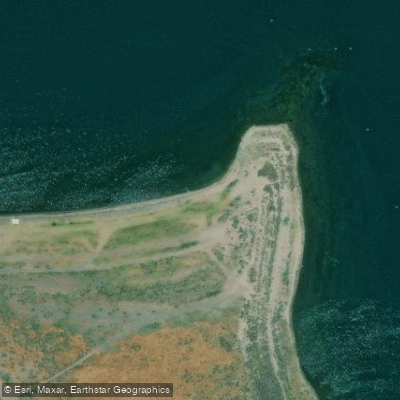
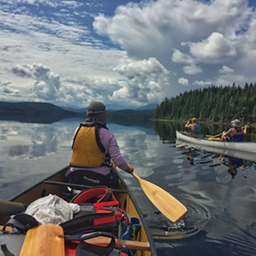
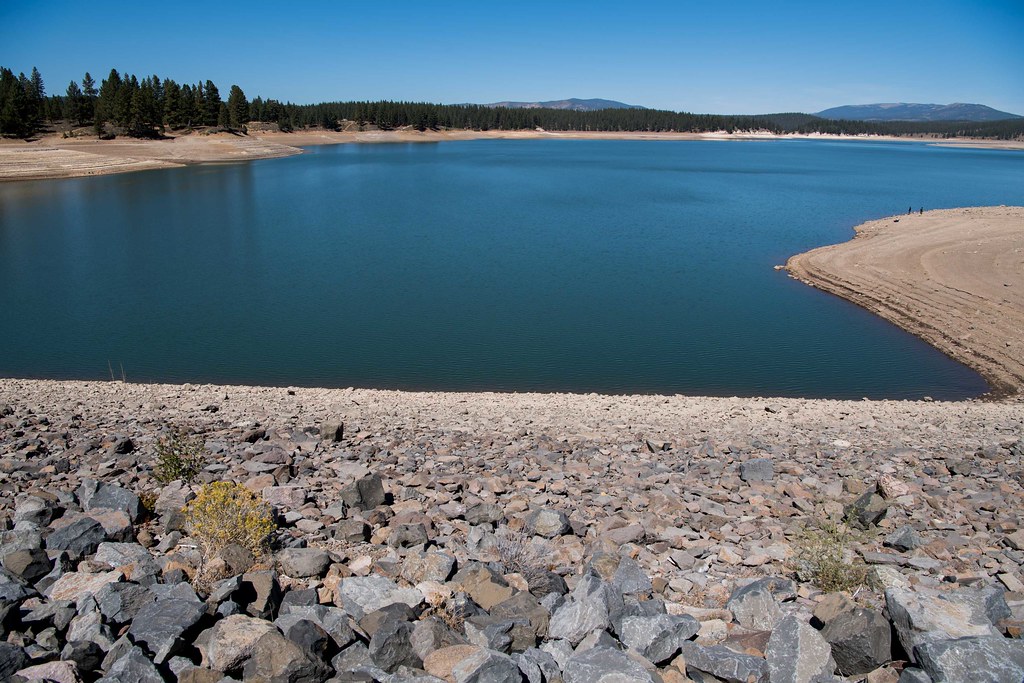
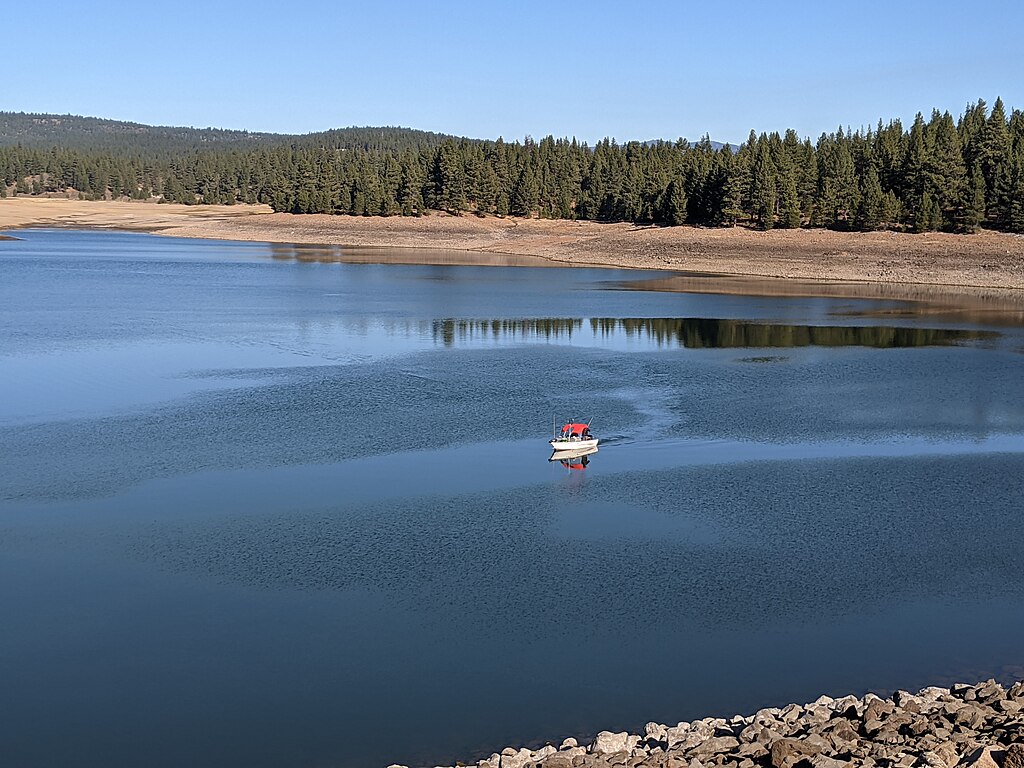
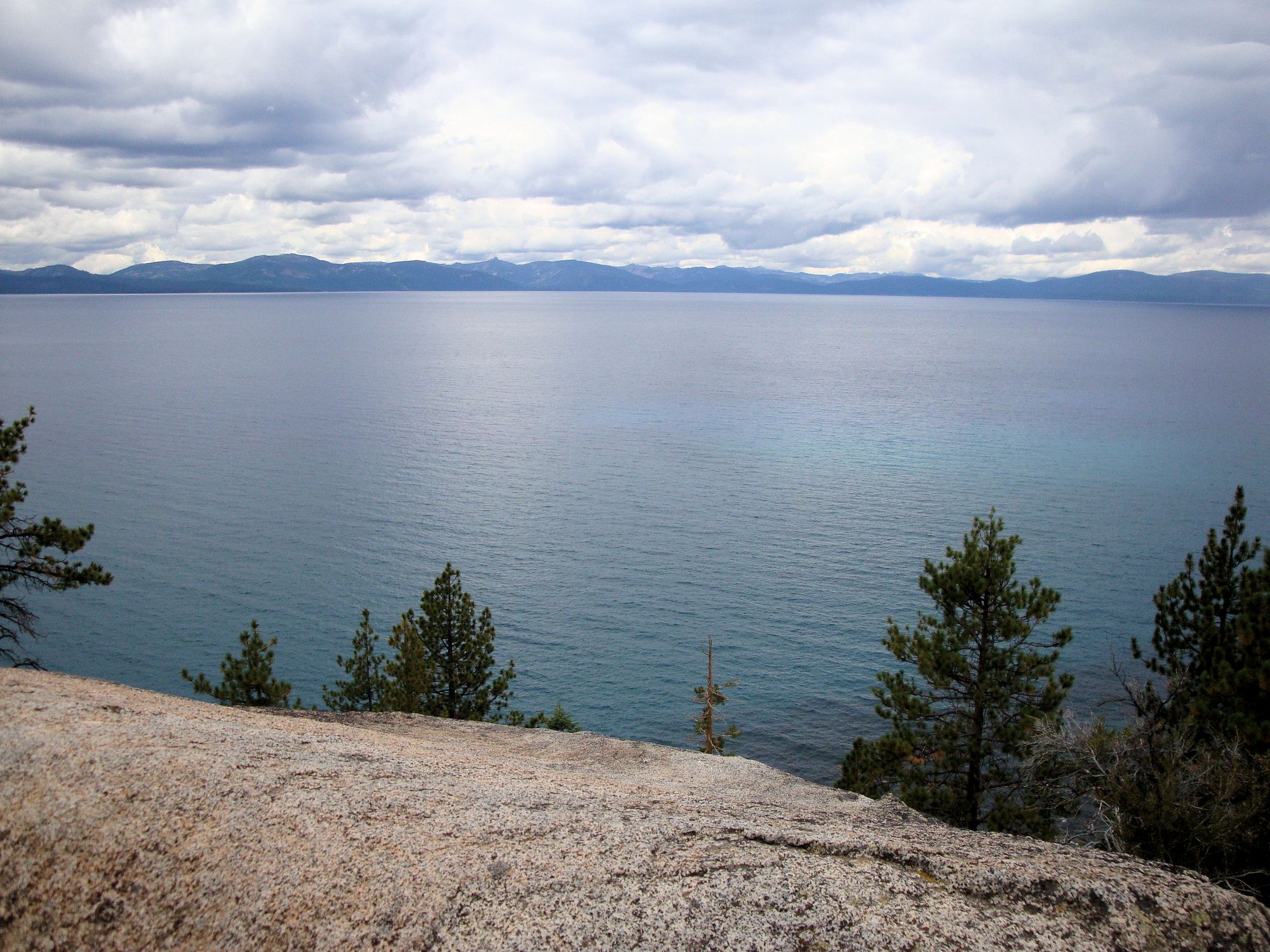
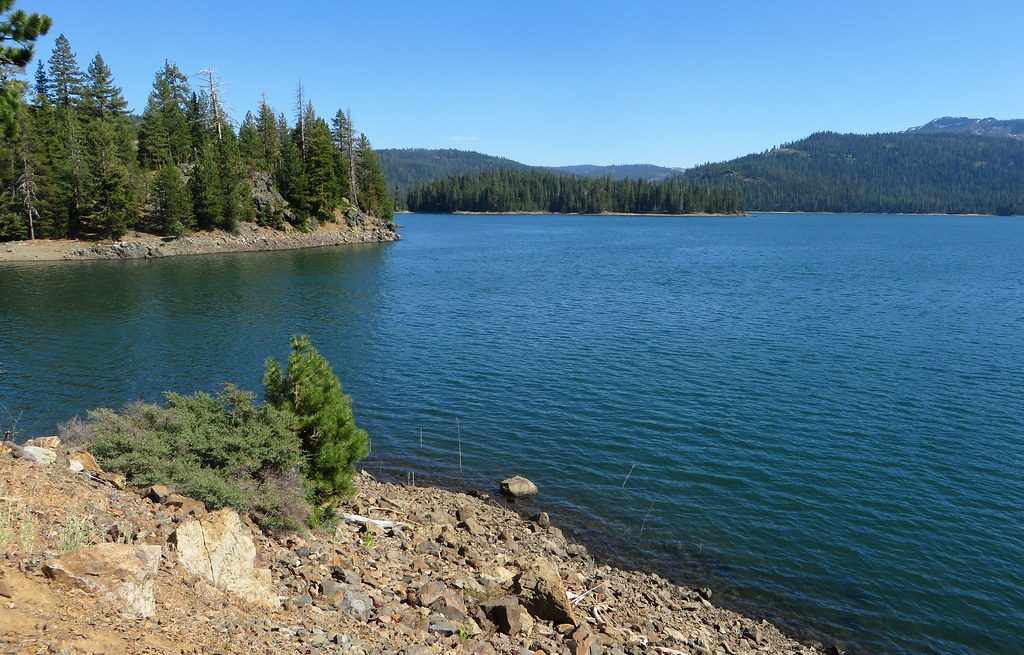
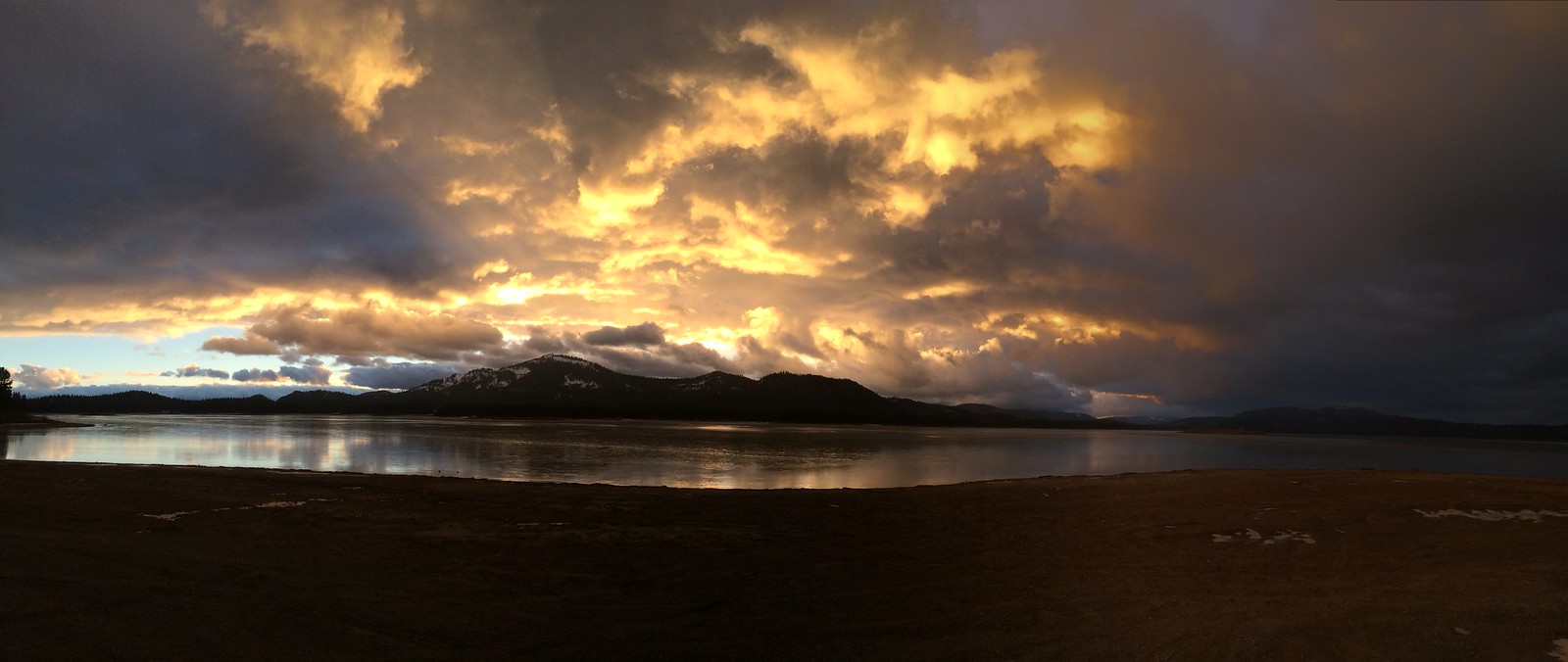
Pyramid Lake is a vast 125,000-acre desert lake located in Nevada, about 30 minutes north of Reno. As one of the largest natural lakes in the state, it offers a unique paddling experience surrounded by spectacular scenery and unusual rock formations like the Stone Mother. The lake's color shifts between shades of blue and gray depending on the sky conditions.
Paddlers should be aware that Pyramid Lake is on the Pyramid Lake Paiute Tribe reservation. A tribal permit is required for access, and some areas may be restricted. The north side of the Pyramid is currently closed to the public. Kayaking and stand-up paddleboarding are permitted activities, but visitors should check the official website for the most up-to-date regulations and open areas before planning a trip.
The lake is renowned for its world-class fishery, home to the ancient Cui-ui fish found nowhere else on Earth and the famous Lahontan Cutthroat Trout. Wildlife enthusiasts may spot rare waterfowl, as the lake's wetlands attract migratory birds.
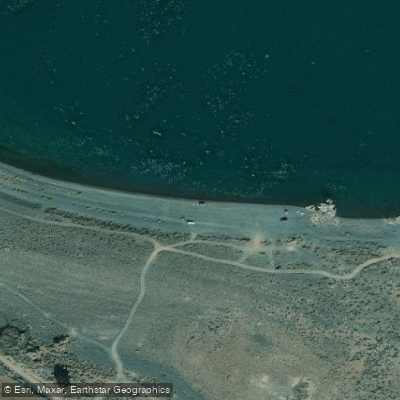
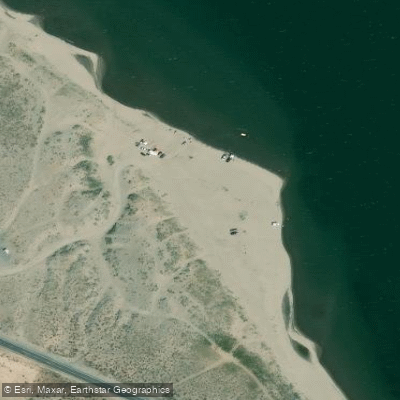
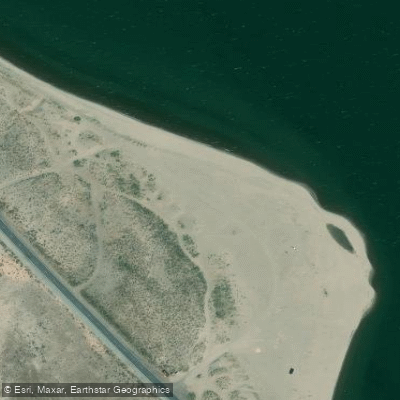
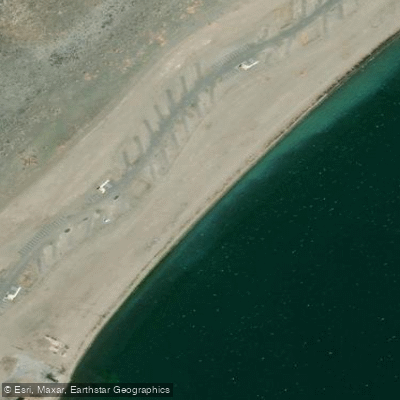
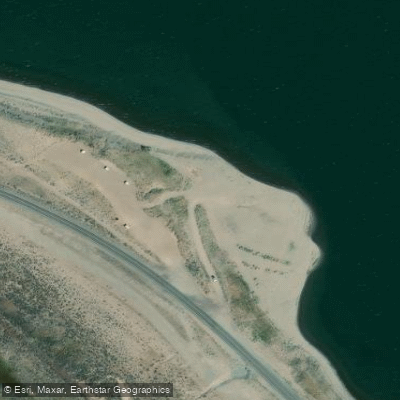
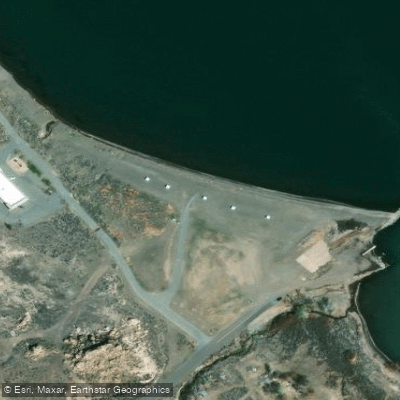
Facilities for paddlers are limited. There are some beaches designated for public access, primarily on the western shore. The Pyramid Lake Paiute Tribe Museum and Visitor Center offers exhibits on the lake's natural history and cultural significance to the Paiute people.
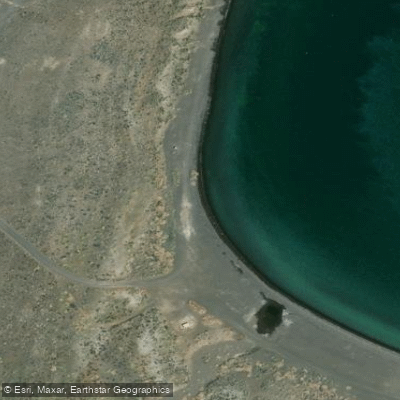
Pyramid Lake's water levels can fluctuate significantly, which may affect launch sites and paddling conditions. The lake can experience strong winds, creating challenging conditions for paddlers. Given its desert location, summer temperatures can be extreme, so spring and fall may offer more comfortable paddling weather.
As the largest remnant of ancient Lake Lahontan, Pyramid Lake holds immense geological and cultural importance. Its undeveloped shorelines and striking desert backdrop provide a primitive, wilderness feel rarely found in such a large lake so close to urban areas.