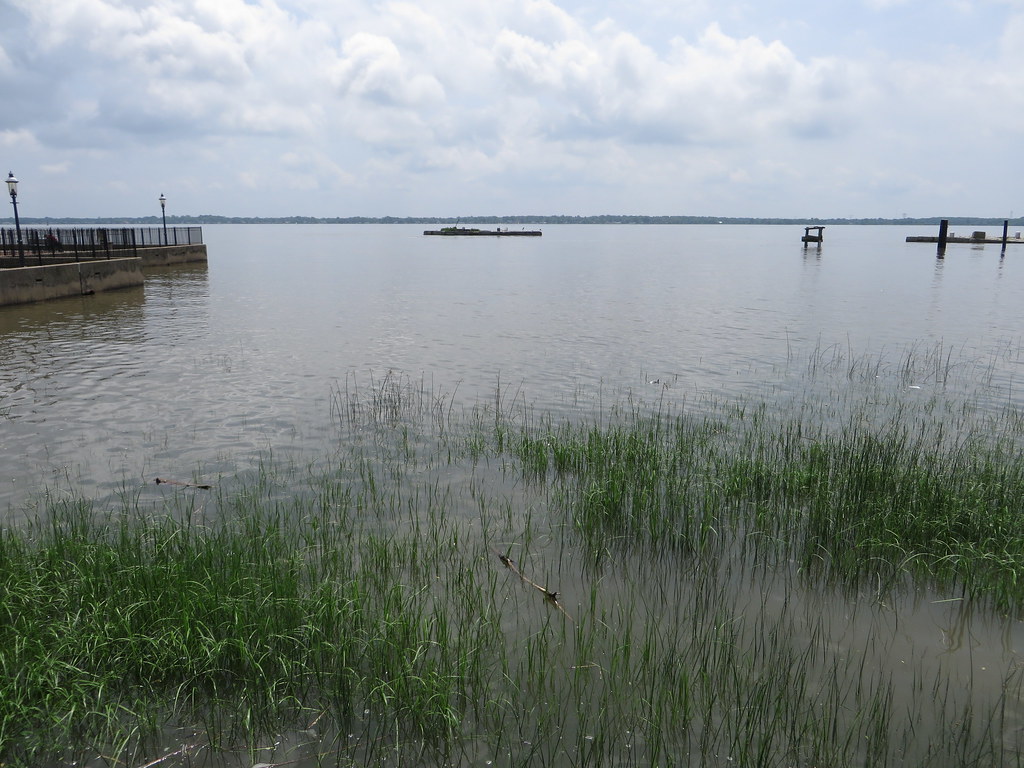
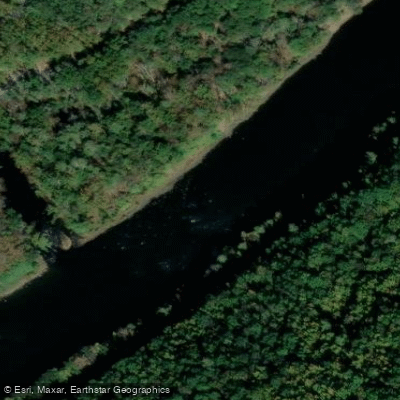
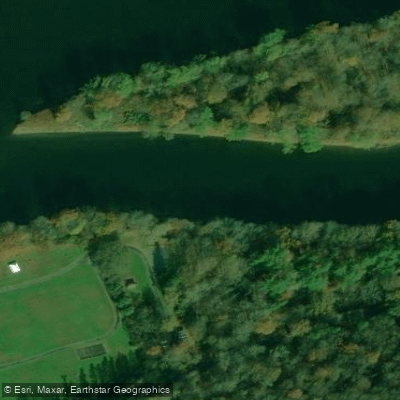
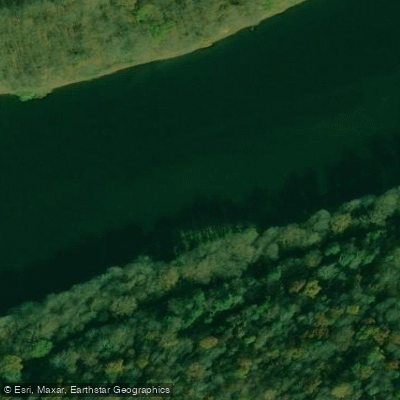
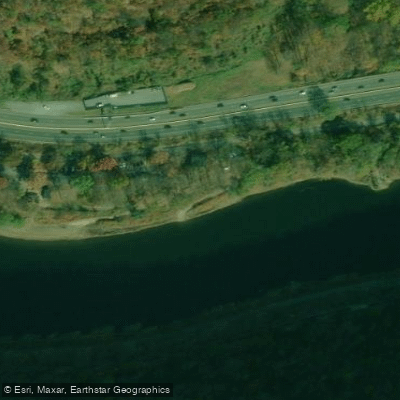
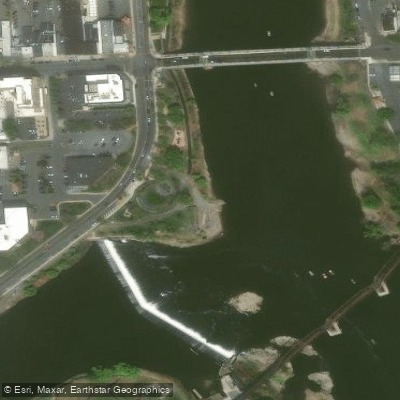
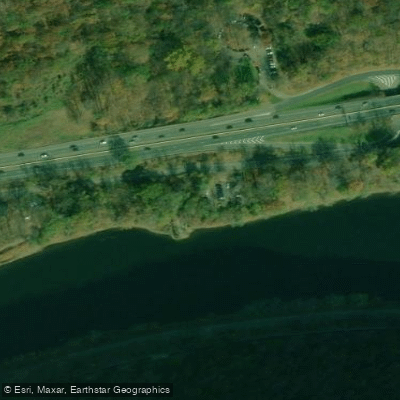
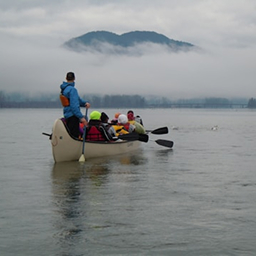
The Delaware River is a majestic waterway that flows for over 300 miles from its headwaters in New York's Catskill Mountains to the Delaware Bay. This iconic river forms the border between Pennsylvania and New Jersey for much of its length, offering paddlers a diverse range of experiences from tranquil flatwater to exhilarating rapids.
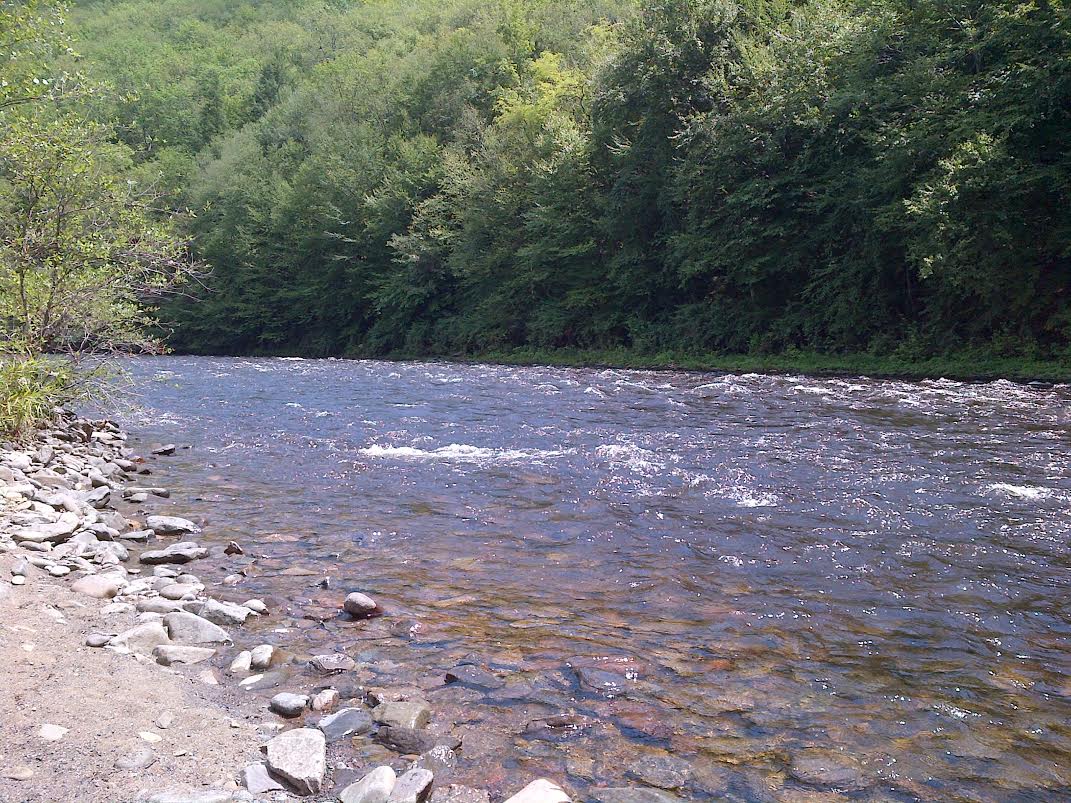
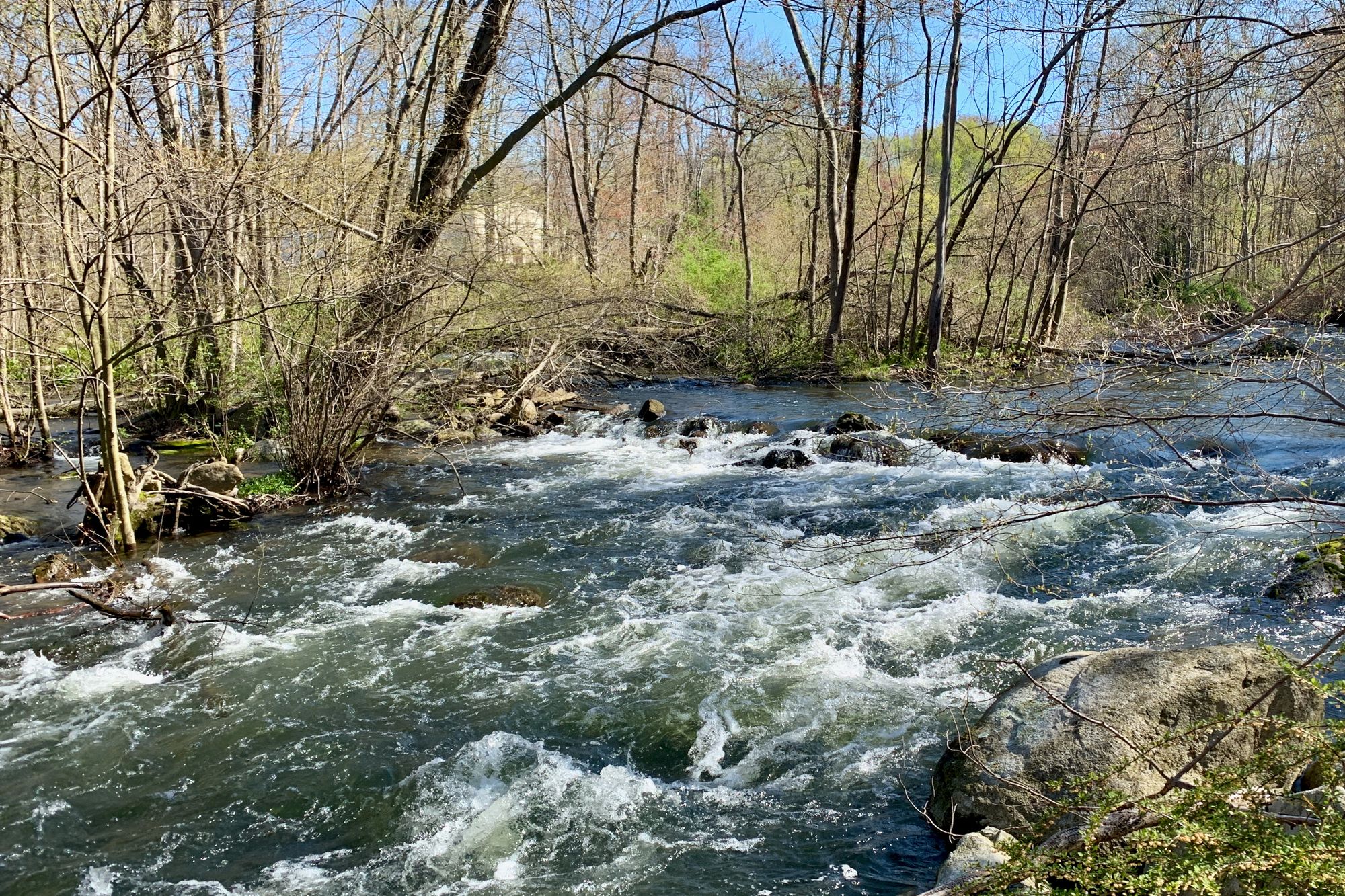
The river can be divided into three main sections: the Upper Delaware, the Middle Delaware, and the Lower Delaware. The Upper Delaware, stretching roughly 73 miles from Hancock, NY to Sparrowbush, NY, is part of the National Wild and Scenic Rivers System. This section is known for its pristine beauty, excellent trout fishing, and mix of calm pools and exciting Class I-II rapids. Notable features include Skinners Falls and the Mongaup Rapids, which provide thrilling challenges for intermediate paddlers.
The Middle Delaware, flowing through the Delaware Water Gap National Recreation Area, offers some of the most scenic paddling in the eastern United States. This 40-mile stretch is characterized by its dramatic passage through the Kittatinny Ridge, creating the famous "Water Gap". The river here is generally calm, making it ideal for families and beginners, though some Class I-II rapids add occasional excitement.
The Lower Delaware, extending from Easton, PA to Trenton, NJ, is the longest and most populated section. It features mostly flatwater paddling through historic towns and bucolic countryside. This section is perfect for leisurely day trips or multi-day adventures, with numerous access points and amenities along the way.
Overall, the Delaware River caters to paddlers of all skill levels. Beginners can enjoy long stretches of calm water, while more experienced paddlers can test their skills in the rapids of the Upper Delaware. The river is generally paddleable from spring through fall, with late spring to early summer offering optimal water levels for most sections.
Wildlife enthusiasts will delight in the river's rich ecosystem. Bald eagles, ospreys, and great blue herons are common sights, while the river supports a diverse fish population including American shad, striped bass, and various trout species. The surrounding forests and wetlands host a variety of mammals, from white-tailed deer to black bears.
Historical and cultural significance abounds along the Delaware. The river played a crucial role in the American Revolution, most famously as the site of Washington's crossing in 1776. Indigenous peoples, including the Lenape, have lived along its banks for thousands of years, and their influence is still felt in many place names and cultural sites.
Popular multi-day trips include the journey from Hancock to Port Jervis (about 75 miles) on the Upper Delaware, and various combinations on the Middle and Lower sections. Paddlers should always check current water levels and weather conditions before embarking, as these can significantly affect difficulty and safety.
Access to the river is plentiful, with numerous boat launches and recreational areas managed by state and federal agencies. Key towns along the river include Port Jervis, Milford, Easton, New Hope, and Trenton, each offering unique charm and amenities for river travelers.
Safety considerations include wearing a personal flotation device at all times, being aware of changing water levels and weather conditions, and respecting private property along the shorelines. Paddlers should also be mindful of commercial boat traffic, particularly in the lower sections.
Whether you're seeking a peaceful float through serene landscapes, an adrenaline-pumping whitewater adventure, or a journey through American history, the Delaware River offers an unforgettable paddling experience for all who venture upon its waters.