San Saba River
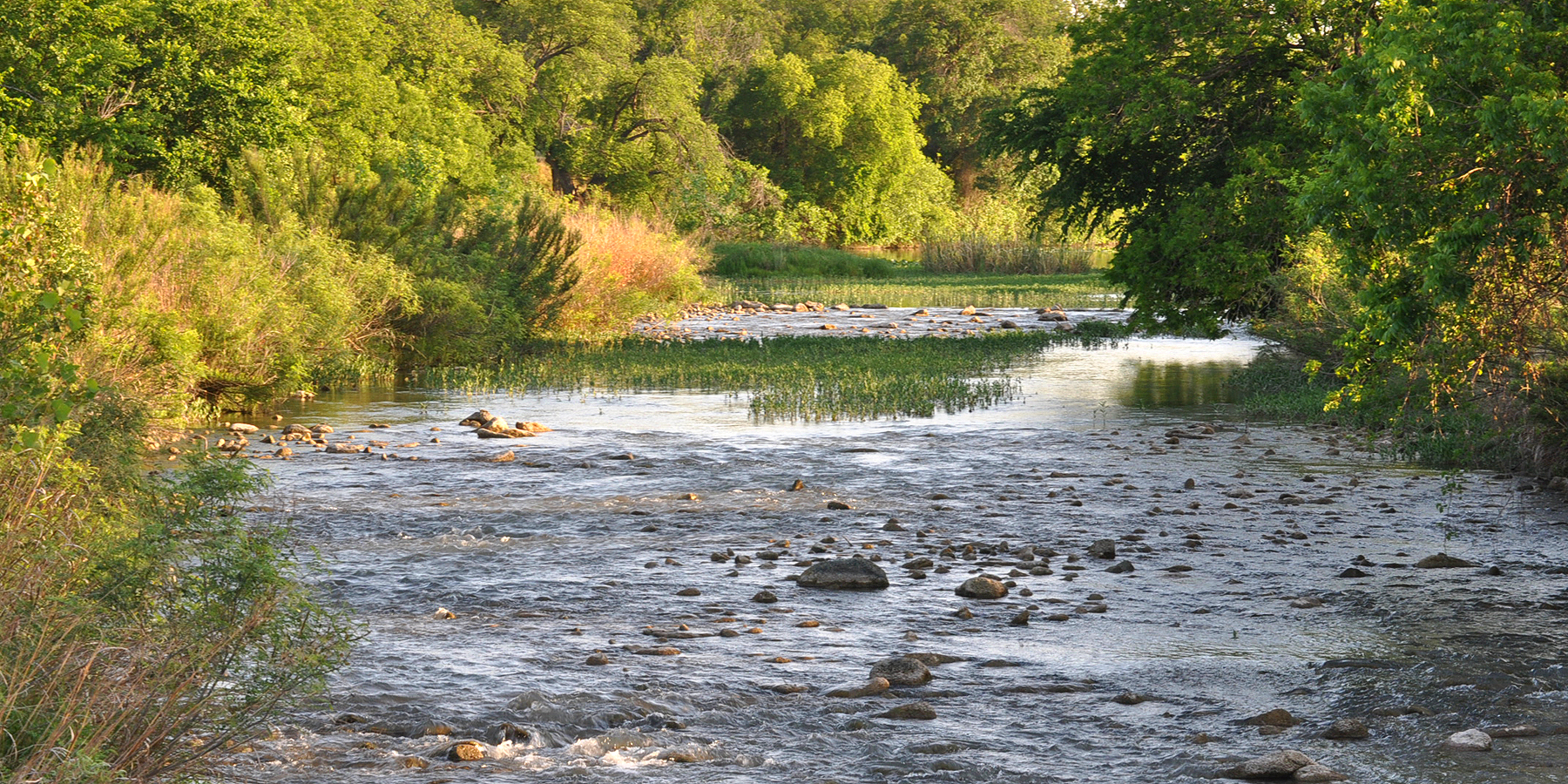
San Saba River
- Boat Ramps
- 15
- Access Points
- 18
- Campsites
- 3
The San Saba River is a picturesque waterway flowing through the heart of Texas Hill Country. Originating near Fort McKavett, the river meanders eastward for approximately 100 miles before joining the Colorado River near the town of San Saba. This spring-fed river is known for its clear waters and scenic beauty, making it a hidden gem for paddlers and anglers alike.
Paddling opportunities on the San Saba River range from leisurely floats to more challenging runs. The most popular section for kayakers and canoeists is the 40-mile stretch from FM 1311 to FM 2732, offering a mix of Class II rapids and calm pools. This long run is ideal for multi-day trips, allowing paddlers to fully immerse themselves in the river's natural beauty. The overall difficulty of the San Saba River is generally considered Class I-II, making it suitable for intermediate paddlers. However, water levels can fluctuate significantly with rainfall, so it's essential to check conditions before embarking on a trip. The best times for paddling are typically spring and early summer when water levels are higher and the Texas heat is not yet at its peak.
The river's ecosystem supports a diverse array of flora and fauna. The banks are lined with towering cypress trees, pecan groves, and native wildflowers. Wildlife enthusiasts may spot white-tailed deer, wild turkeys, and various bird species. The river is also home to the state fish of Texas, the Guadalupe Bass, making it a popular destination for fly fishing.
Key landmarks along the San Saba River include the historic Fort McKavett State Historic Site near the river's headwaters and the charming town of Menard, which offers a glimpse into the area's frontier history. As the river approaches its confluence with the Colorado, paddlers can explore Colorado Bend State Park, known for its stunning Gorman Falls.
Primary access points for the San Saba River include the FM 1311 crossing (3 miles north of Hext), the area near Fort McKavett, and various crossings near Menard and San Saba. These access points are typically within a 2-3 hour drive from major cities like Austin and San Antonio.
The San Saba River holds significant historical and cultural importance, having been a lifeline for indigenous peoples and later playing a crucial role in the settlement of the Texas frontier. Today, it continues to be an essential water source for agriculture in the region.
Safety considerations include checking water levels before trips, being aware of private property along the banks, and watching for submerged obstacles. Paddlers should also be prepared for limited cell phone coverage in some areas.
For those seeking a multi-day adventure, the 40-mile section from FM 1311 to FM 2732 offers an excellent opportunity to fully experience the San Saba River's beauty and tranquility, with numerous sandbars and gravel bars suitable for primitive camping along the way.
Water access, boat ramps & amenities
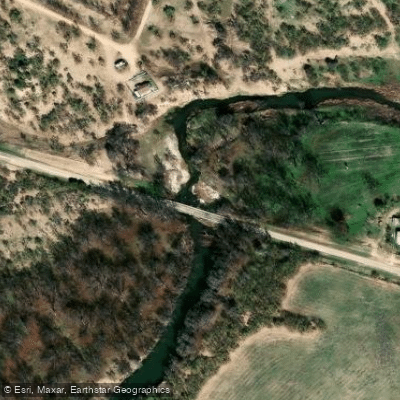
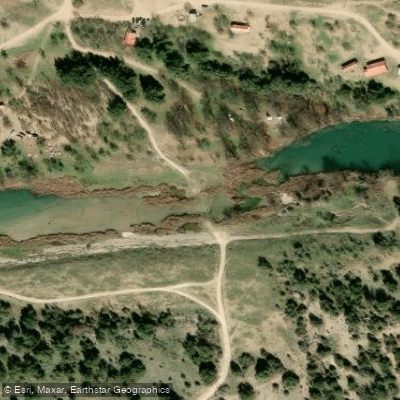
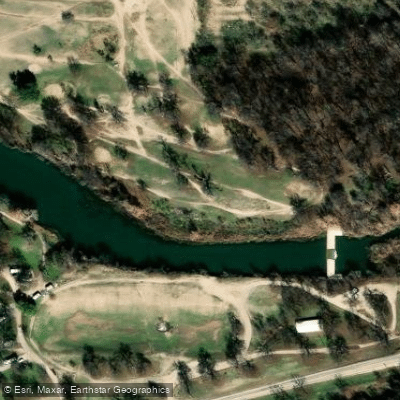
Learn how to get on San Saba River. Uncover great paddling access points, boat ramps, and all the facilities you need for an unforgettable day on the water. Some locations shown may border or include private property. Always check property boundaries and applicable regulations before visiting. PaddleWays's Public & Private Land layer can help you plan your access with confidence.
Paddle smarter with real-time insights
Whether you're en route and conditions shift or you're looking for the best spot based on current flows, we enable you to make informed decisions on the fly.







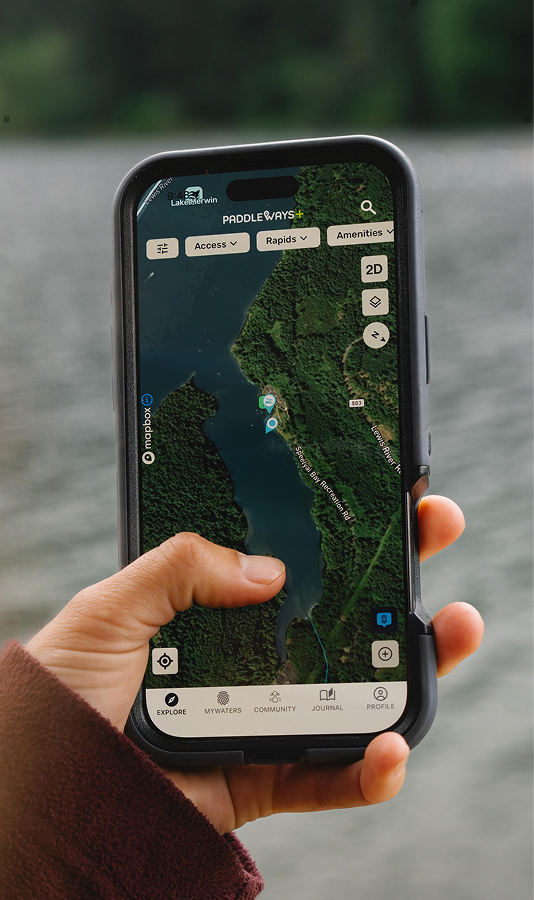
Find Places to Paddle

Over 400,000 Places to Paddle
Every user gets free access to launch points, boat ramps, and public property parcels.

Water and weather conditions (10 day forecast)
See the best times to paddle San Saba River and check the forecast before you go.
Noyes Canal at Diversion pt nr. Menard, TX
All Flow Stations
Paddling near San Saba River
Guadalupe River
Medina River
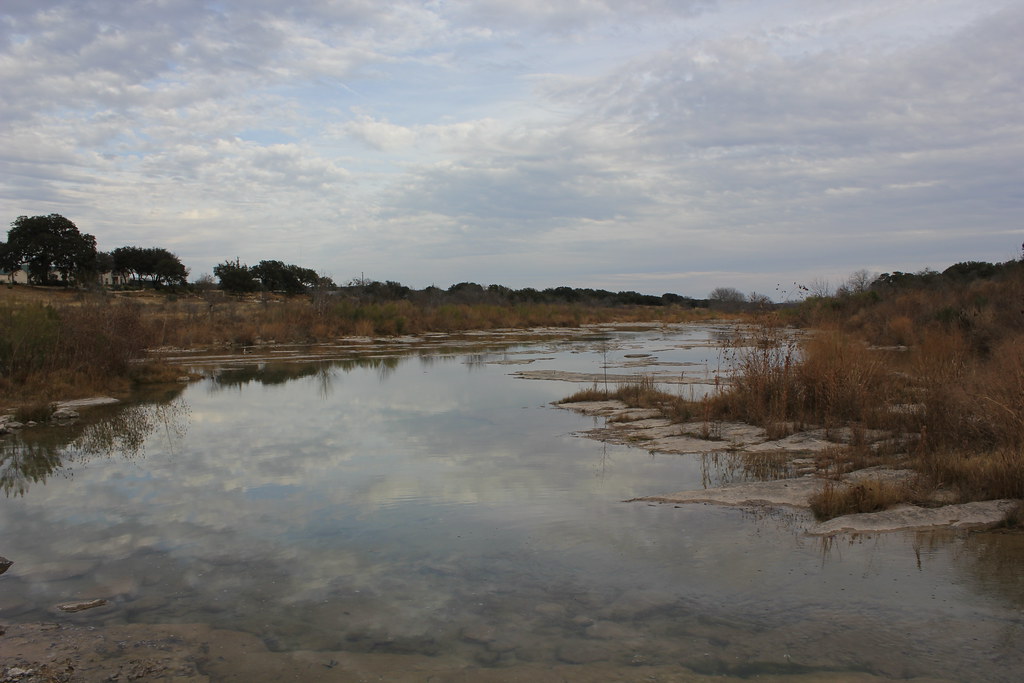
Pedernales River
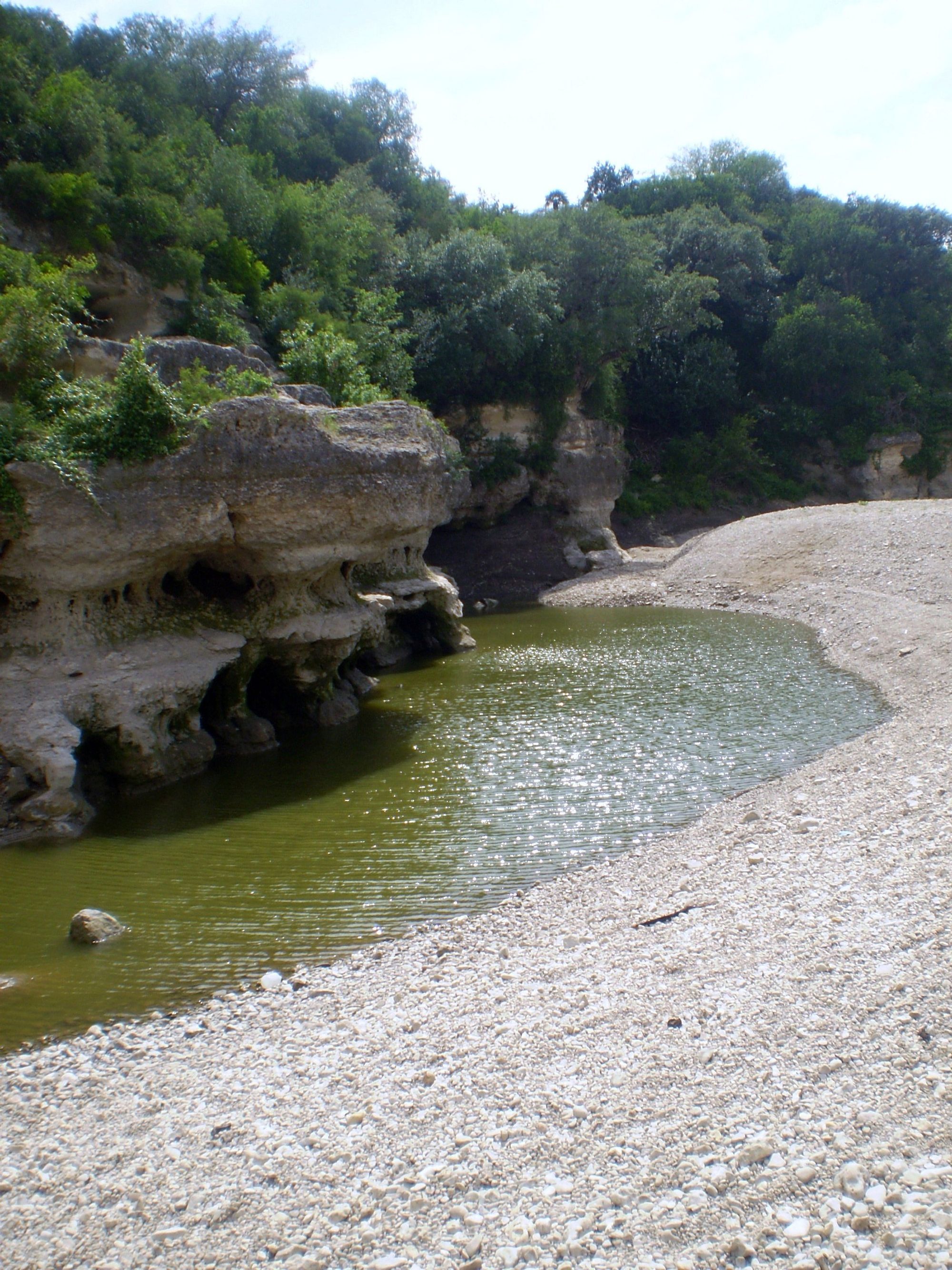
Cibolo Creek
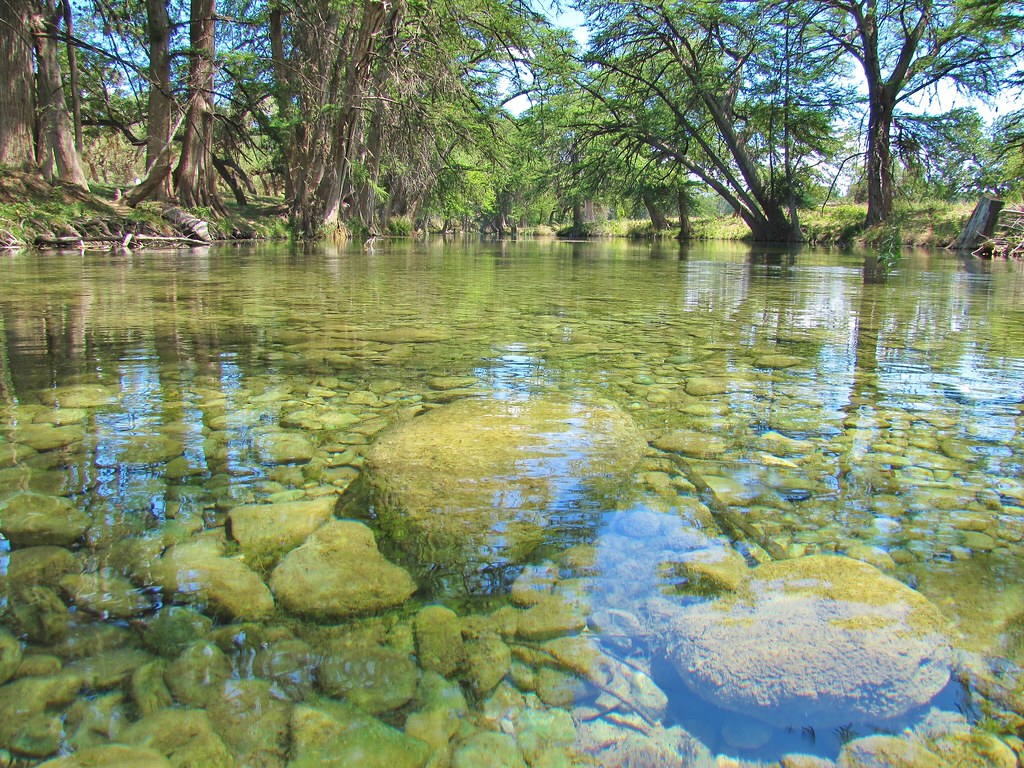
Frio River
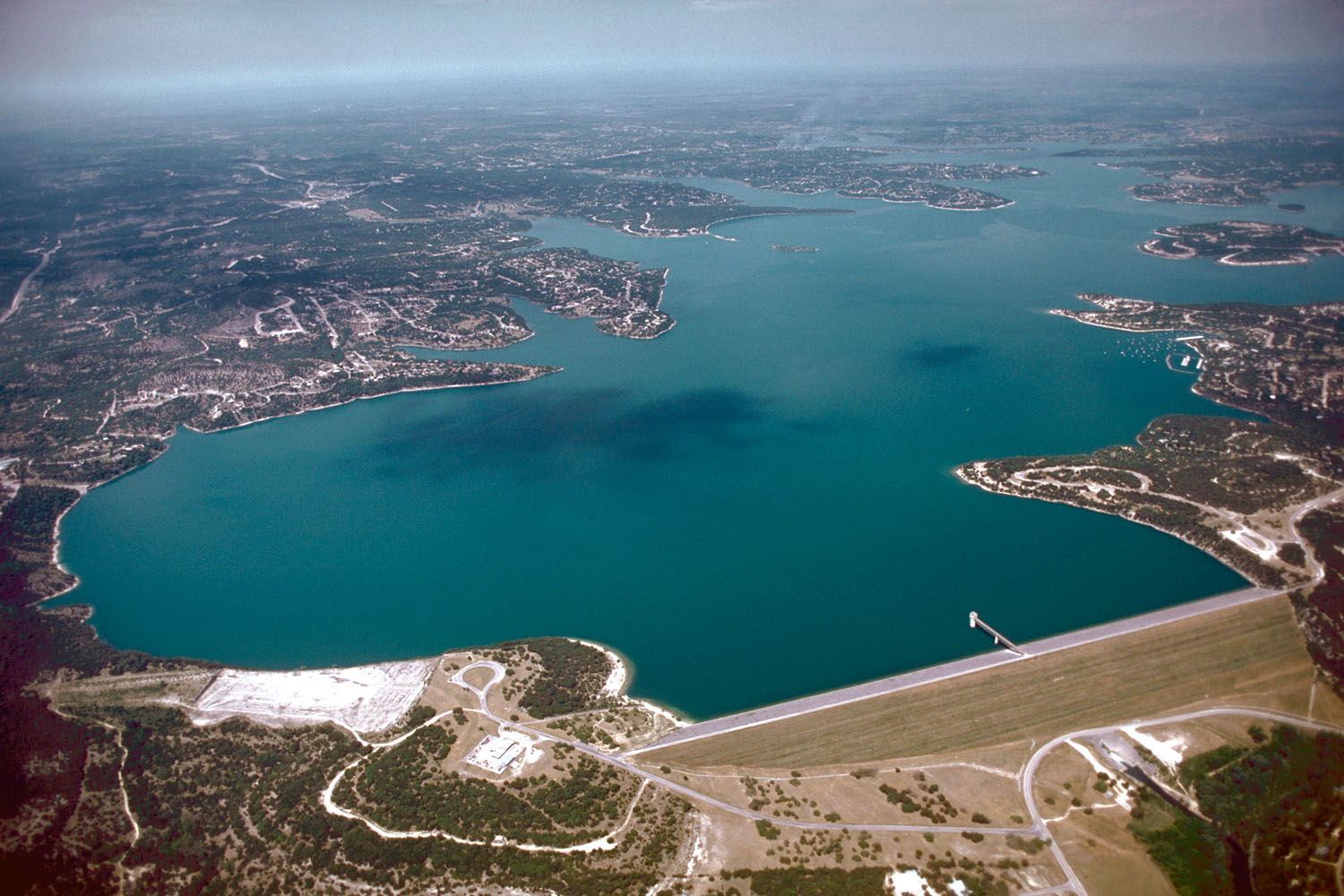
Canyon Lake
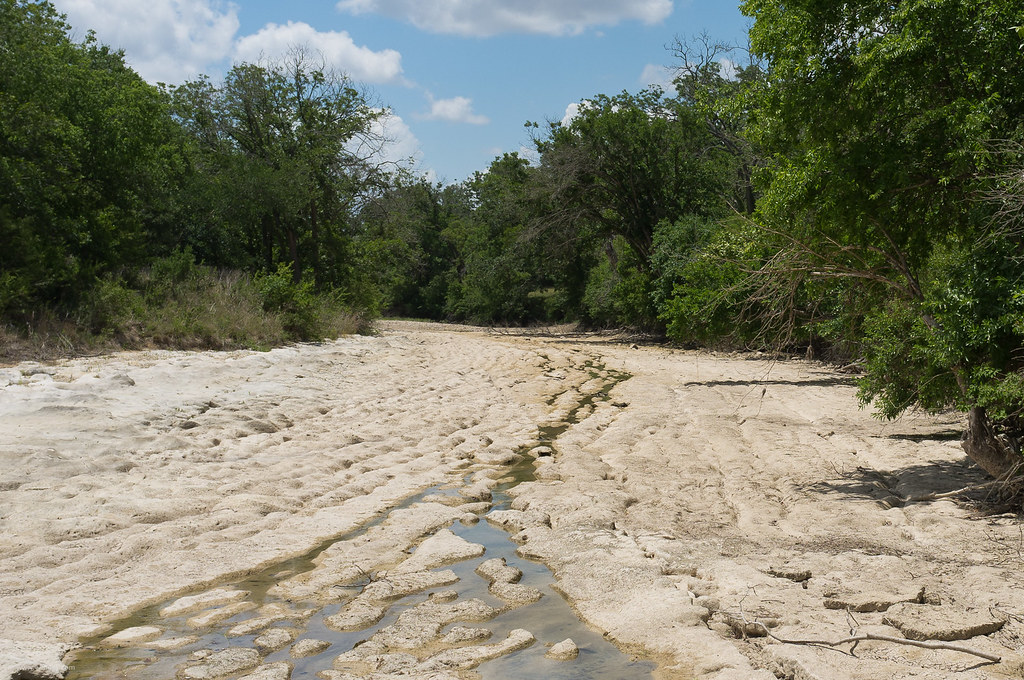
Blanco River
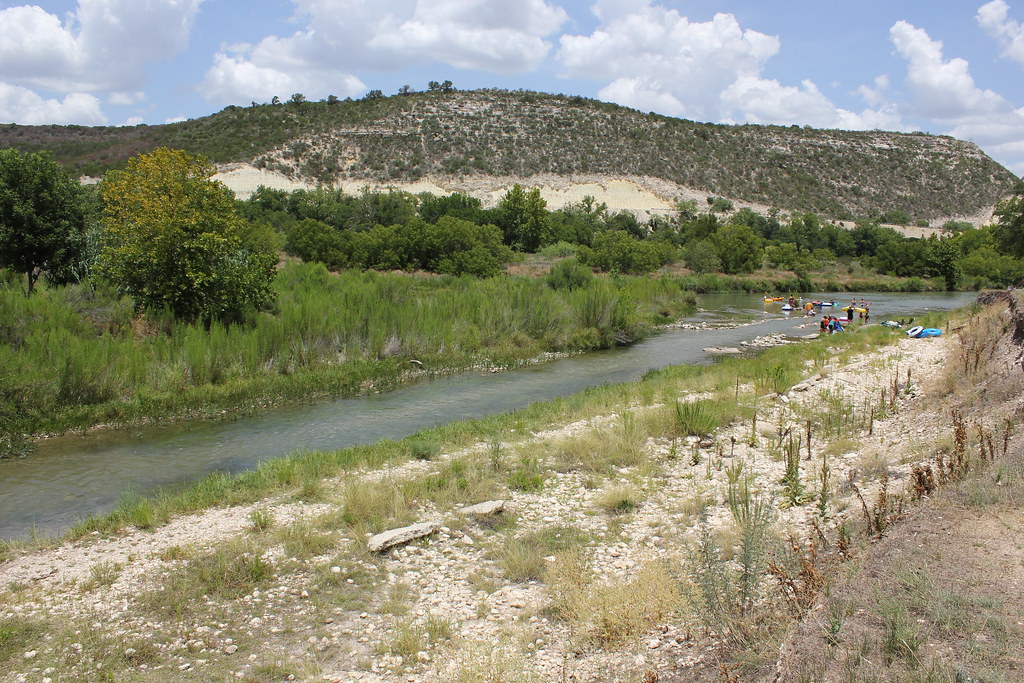
Llano River
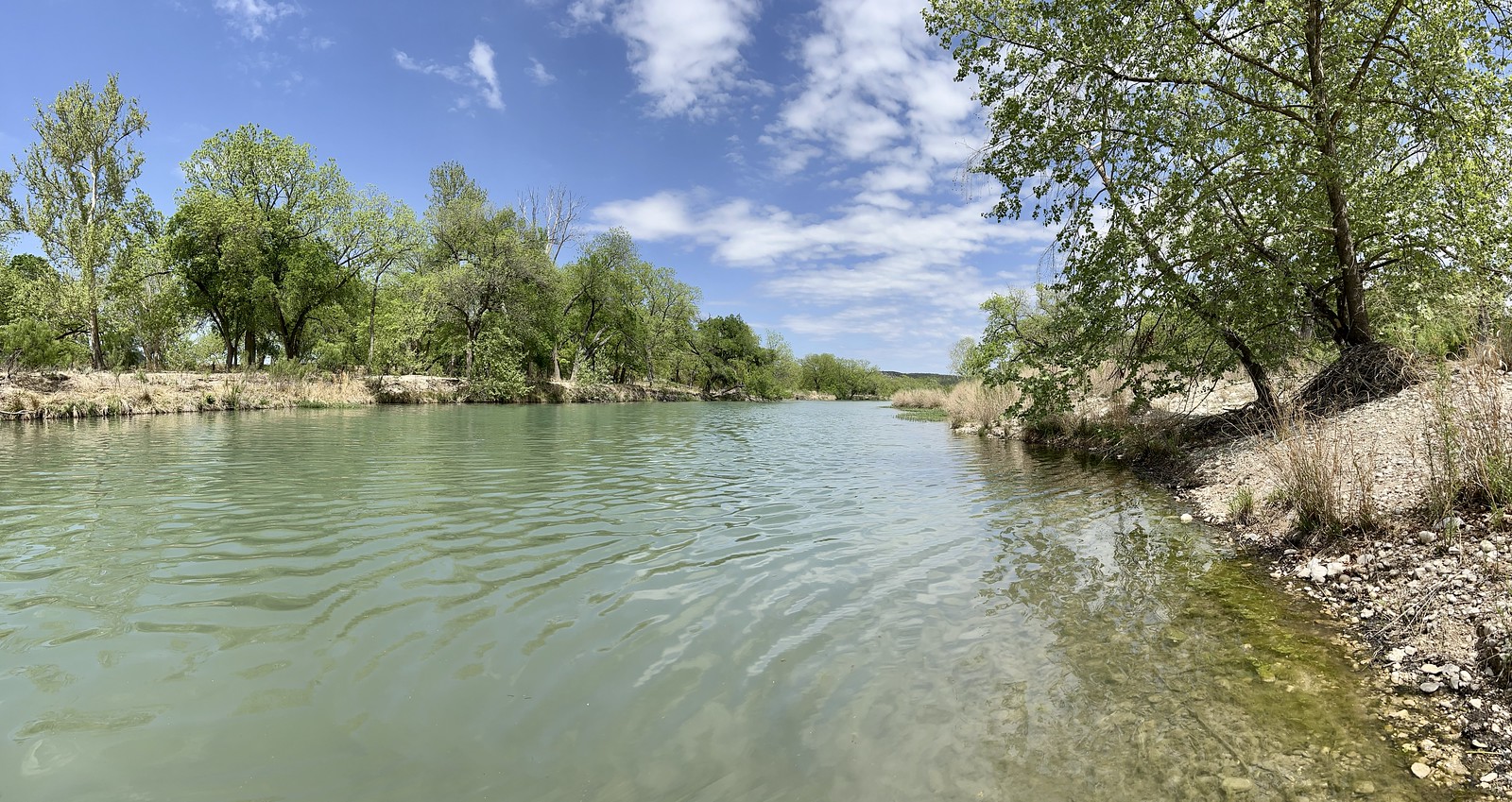
South Llano River
Kerrville Lake
Explore Texas waters
Top paddling waters
Popular Cities
Loading popular cities...
Explore near San Saba River
Access points
Nearby waters
More in Texas

Smarter Paddling Starts in the App.
Paddleways gives you everything you need to plan smarter, paddle better, and own every trip from first launch to takeout.