Paddling in Misiones
- Lakes
- 8
- Rivers
- 387
- Access
- 0
- Boat Ramps
- 36
- Shops
- 0
Misiones is a subtropical wedge of northeastern Argentina, bordered by Brazil and Paraguay, where two of the continent's major rivers define almost every paddling decision you'll make.
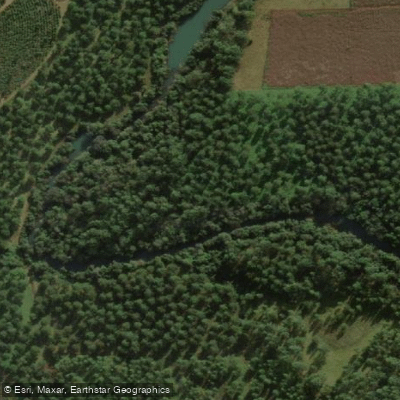
The Río Paraná runs the province's western edge and the Río Uruguay its eastern one, and between them a dense network of arroyos drains the red-soiled jungle interior.
This is overwhelmingly flatwater and moving-water country — big, warm, jungle-framed rivers rather than technical whitewater. The Río Paraná here is a different animal from the dam-controlled river further south.
Wide, powerful, and braided around islands, it demands respect for current and river traffic rather than rapids.
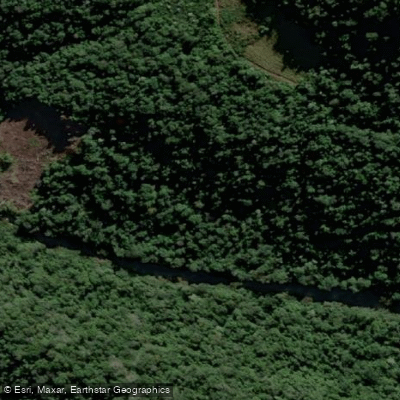
The Arroyo Garuhapé feeds into it from the interior, and that confluence zone gives a sense of how the smaller streams work — intimate, jungle-canopied, readable for paddlers who want something quieter than the main channel.
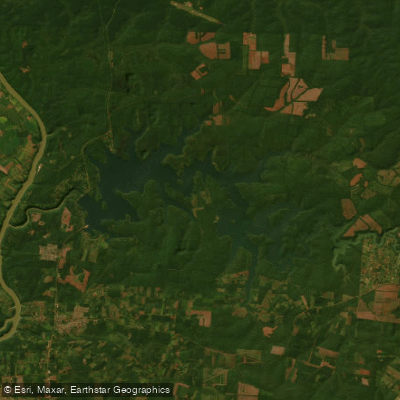
The Embalse Lago Urugua-í, formed by a dam on the Arroyo Urugua-í, offers calmer flatwater in a forested setting, a contrast to the open Paraná. On the eastern side, the Río Uruguay marks the border with Brazil and carries its own volume and character.
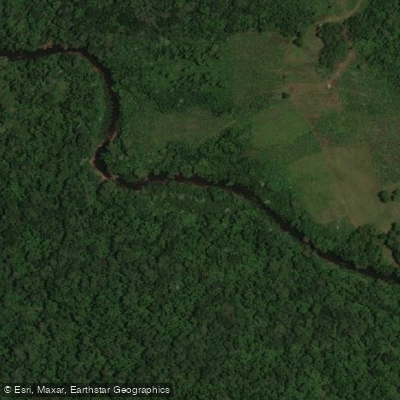
The Arroyo Soberbio drains into this system near the town of El Soberbio, which sits close to the Yabotí Biosphere Reserve.
Inside that reserve, the Yabotí stream is the basis for guided kayak trips — roughly 2 kilometres of calm, shallow water through intact jungle, low difficulty, taking about two hours.
It's the kind of paddle where the reflection of the canopy on the water is the point. The Río Iguazú, upstream of the falls, is the other name that anchors the northern end of the province.
Access and conditions near the falls area are tightly managed given the national park context, so checking current regulations with the relevant park authority before putting in anywhere near Iguazú is essential.
Summer (December through February) brings heavy rainfall and elevated flows across the province — the arroyos can rise fast.
The drier austral winter, roughly June through August, tends to give more stable, lower water on the smaller streams, which suits the intimate jungle paddling that Misiones does best.
The big rivers run year-round but carry flood risk after sustained rain at any time. What stays with paddlers here isn't gradient or technical challenge — it's the density of the jungle pressing to the water's edge, the red earth banks, the wildlife.
The Yabotí Reserve and the Iguazú corridor are genuinely intact ecosystems, and the rivers are part of that. Treat them accordingly.
Top waters to paddle near Misiones
Paddle smarter with real-time insights
Whether you're en route and conditions shift or you're looking for the best spot based on current flows, we enable you to make informed decisions on the fly.







Misiones licenses and regulations
Explore Misiones waters
Top paddling waters
Popular Cities
Loading popular cities...

Smarter Paddling Starts in the App.
Paddleways gives you everything you need to plan smarter, paddle better, and own every trip from first launch to takeout.