Paddling in Western Australia
- Lakes
- 894
- Rivers
- 1,320
- Access
- 44
- Boat Ramps
- 174
- Shops
- 0
Western Australia is enormous — the largest state in Australia, occupying the entire western third of the continent — and its paddling reflects that scale. The dominant scene here isn't whitewater.
It's coastal: long reef lagoons, remote island archipelagos, and sheltered estuaries along a coastline that stretches thousands of kilometres from the tropical north to the cool, wind-scoured south.
River paddling exists, but it's seasonal and concentrated in the southwest corner where winter rain actually falls. The sea kayaking is the headline act.
Ningaloo Reef runs for 260 kilometres along the northwest coast, a fringing reef that begins just metres from the beach — unlike most reef systems, you don't need a boat to reach it.
Multi-day expeditions through the lagoon combine paddling with snorkelling and camping, and the wildlife is serious: whale sharks, manta rays, green sea turtles, humpback whales.
Further south, Shark Bay and the Houtman Abrolhos Islands — a scattered archipelago of 122 islands — draw expedition paddlers looking for dugongs, sea lions, and days without crowds.
Closer to Perth, Shoalwater Islands Marine Park offers guided day trips around Penguin and Seal Islands, with Australian sea lions and little penguins as regular company.
The southwest rivers come alive in winter and early spring when rainfall pushes water levels up. The Murray River near Dwellingup runs through jarrah forest and kicks up genuine whitewater when it's running well.
The Warren River, in the karri country around Pemberton, and the Frankland River through Walpole-Nornalup National Park both offer a mix of moving water and quieter stretches — the Frankland in particular is used for whitewater rescue training, which tells you something about its character when it's up.
The Blackwood River near Bridgetown follows a similar pattern: flat and manageable in the dry months, pushy and interesting after rain.
The Avon River hosts the annual Avon Descent, a two-day whitewater event that draws paddlers from across the country and marks the high point of the river season.
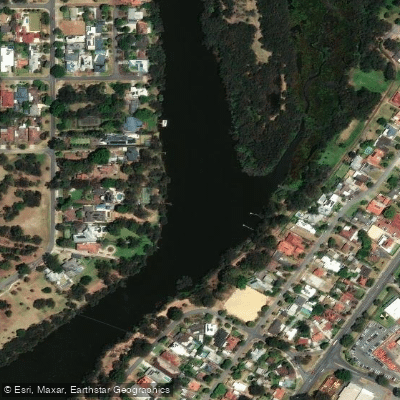
For flatwater and urban paddling, the Swan River through Perth is the hub of the club scene — sprint, marathon, and ocean racing all happen here regularly through Paddle WA. The Canning River feeds into it from the south, adding quieter water for touring.
Ocean paddlers need to know the rules before heading out.
The Department of Transport sets mandatory safety equipment requirements for paddle craft, and anything beyond 400 metres from shore in unprotected waters triggers specific requirements for lifejackets, PLBs or EPIRBs, and flares — check the current requirements directly with the Department of Transport before you go.
Tides, wind, and swell drive conditions on the coast; the Bureau of Meteorology and the Department of Water and Environmental Regulation are the tools locals actually use to read the water.
WA rewards paddlers who plan around the seasons and respect the distances involved. The southwest rivers are a winter sport. The reef and island expeditions suit the dry season.
The coast in between is always there — remote, exposed, and worth every bit of preparation it demands.
Top waters to paddle near Western Australia
Paddle smarter with real-time insights
Whether you're en route and conditions shift or you're looking for the best spot based on current flows, we enable you to make informed decisions on the fly.







Western Australia licenses and regulations
Explore Western Australia waters
Top paddling waters
Popular Cities
Loading popular cities...
Smarter Paddling Starts in the App.
Paddleways gives you everything you need to plan smarter, paddle better, and own every trip from first launch to takeout.