Paddling in Australia
- Lakes
- 8,744
- Rivers
- 34,281
- Access
- 558
- Boat Ramps
- 2,552
- Shops
- 0
Australia is a sea-kayaking country at its core. The coastline runs for roughly 34,000 kilometres, the population clusters along it, and the culture follows — sea kayaks and ocean skis outnumber open canoes by a wide margin.
Inland paddling exists and rewards the effort, but the ocean is where most Australians first find the sport, and where the bulk of the scene lives. The sea paddling ranges from sheltered urban water to genuine expedition territory.
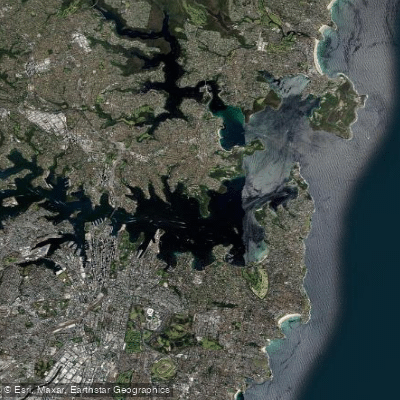
Sydney Harbour is a reliable entry point — lots of lee, little fetch, and enough sheltered coves to keep beginners close to shore while still feeling like they're somewhere.
Further north, the Whitsunday Islands offer warm, calm channels and the Ngaro Sea Trail, a linked circuit of sea kayaking routes and walking tracks through the island group.
Queensland's Noosa Everglades, tucked inside Great Sandy National Park, trades ocean swell for flat river and lake paddling through wetlands that hold over 40% of Australia's bird species — a multi-day canoe trip with campsites strung along the waterway.
Out west, Ningaloo Reef and the Houtman Abrolhos Islands are serious expedition destinations: remote coastlines, coral, dugongs, sea lions, and whale sharks depending on the season. Tasmania sits apart.
Its cool, wet climate and mountain catchments produce rivers that fill hard in the right conditions, and the whitewater community — small nationally, perhaps a hundred active paddlers by some estimates — treats the island as its best card.
The Freycinet Peninsula on the east coast is a different proposition: sheltered bays, pink granite, sea eagles, and a 1. 6-kilometre crossing to Schouten Island for those who want to push further out. The inland rivers are underused and worth knowing about.
The Murray–Darling Basin covers more than a million square kilometres of southeast Australia, and the Murray (around 2,500 km), the Darling (around 1,600 km), and the Murrumbidgee (around 1,200 km) have all been paddled source to sea.
The Shoalhaven in New South Wales, cutting through Morton National Park, is a classic canoe-touring river with challenging upper reaches and calmer water below.
Open-boat culture here is thin compared to North America — canoes are more common on school trips than in the touring community — but that's slowly shifting. Whitewater is the smallest piece of the picture.
The Snowy Mountains and ranges of New South Wales carry runnable rivers when flows are up, and Penrith Whitewater Stadium near Sydney provides a reliable training venue. Victoria's rivers run hard in spring.
Tasmania, again, is the headline — remote, rain-dependent, and serious when it's on. Paddle Australia runs accredited courses and is the place to start for skills and safety credentials.
Seasons matter enormously here: Tasmania's rivers need winter and spring rain, the tropical north has a wet season that changes access entirely, and the southern states paddle year-round but peak in spring and summer.
Check flows before committing to anything inland — Australia's rivers can go from navigable to dry sand in days. The country rewards paddlers who do their homework and travel light on expectations.
The infrastructure is thinner than Europe or North America, the distances are real, and the water doesn't always cooperate. When it does, there's very little like it.
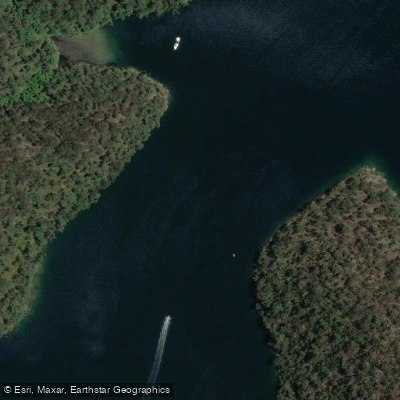
Top waters to paddle near Australia
Paddle smarter with real-time insights
Whether you're en route and conditions shift or you're looking for the best spot based on current flows, we enable you to make informed decisions on the fly.







Cities in Australia
- Adelaide Hills, South Australia
- Adelaide, South Australia
- Albany, Western Australia
- Alice Springs, Northern Territory
- Ballarat, Victoria
- Bendigo, Victoria
- Brisbane, Queensland
- Bunbury, Western Australia
- Burnie, Tasmania
- Busselton, Western Australia
- Cairns, Queensland
- Caloundra, Queensland
- Canberra, Australian Capital Territory
- Central Coast, New South Wales
- Coffs Harbour, New South Wales
- Darwin, Northern Territory
- Devonport, Tasmania
- Dubbo, New South Wales
- Galiwinku, Northern Territory
- Gawler, South Australia
- Geelong, Victoria
- George Town, Tasmania
- Geraldton, Western Australia
- Gold Coast, Queensland
- Hobart, Tasmania
- Kalgoorlie, Western Australia
- Karratha, Western Australia
- Katherine, Northern Territory
- Kwinana, Western Australia
- Latrobe, Tasmania
- Launceston, Tasmania
- Logan City, Queensland
- Mackay, Queensland
- Maitland, New South Wales
- Mandurah, Western Australia
- Maningrida, Northern Territory
- Melbourne, Victoria
- Mildura, Victoria
- Mount Barker, South Australia
- Mount Gambier, South Australia
- Murray Bridge, South Australia
- New Norfolk, Tasmania
- Newcastle, New South Wales
- Nhulunbuy, Northern Territory
- Orange, New South Wales
- Palmerston, Northern Territory
- Perth, Western Australia
- Port Lincoln, South Australia
- Port Macquarie, New South Wales
- Port Pirie, South Australia
- Rockhampton, Queensland
- Rockingham, Western Australia
- Shepparton, Victoria
- Sunshine Coast, Queensland
- Sydney, New South Wales
- Tamworth, New South Wales
- Tennant Creek, Northern Territory
- Toowoomba, Queensland
- Townsville, Queensland
- Tuggeranong, Australian Capital Territory
- Ulverstone, Tasmania
- Warrnambool, Victoria
- Whyalla, South Australia
- Wodonga, Victoria
- Wollongong, New South Wales
- Wynyard, Tasmania
- Yulara, Northern Territory
National parks in Australia
- Abercrombie River National Park
- Adelaide International Bird Sanctuary National Park-Winaityinaityi Pangkara National Park
- Alpine National Park
- Annan River (Yuku Baja-Muliku) National Park
- Bago Bluff National Park
- Barmah National Park
- Barrington Tops National Park
- Barron Gorge National Park
- Baw Baw National Park
- Berowra Valley National Park
- Biamanga National Park
- Bimberamala National Park
- Bongil Bongil National Park
- Boonoo Boonoo National Park
- Bournda National Park
- Brisbane Water National Park
- Budawang National Park
- Bundjalung National Park
- Bunuba National Park
- Burrum Coast National Park
- Byfield National Park
- Cania Gorge National Park
- Cape Range National Park
- Capertee National Park
- Carnarvon National Park
- Chaelundi National Park
- Conjola National Park
- Conway National Park
- Coorong National Park
- Cottan-Bimbang National Park
- Cradle Mountain-Lake St Clair National Park
- Croajingolong National Park
- Crowdy Bay National Park
- Culgoa National Park
- Currawinya National Park
- D'Aguilar National Park
- D'Entrecasteaux National Park
- Daintree National Park
- Danbulla National Park
- Deua National Park
- Dharug National Park
- Diamantina National Park
- Djiru National Park
- Douglas-Apsley National Park
- Drysdale River National Park
- Eungella National Park
- Eurimbula National Park
- Eurobodalla National Park
- Everlasting Swamp National Park
- Fitzgerald River National Park
- Flinders Chase National Park
- Franklin-Gordon Wild Rivers National Park
- Garig Gunak Barlu National Park
- Garigal National Park
- Gheebulum Kunungai (Moreton Island) National Park
- Girringun National Park
- Goulburn River National Park
- Grampians National Park
- Great Otway National Park
- Greater Beedelup National Park
- Gulaga National Park
- Gunbower National Park
- Guy Fawkes River National Park
- Hat Head National Park
- Hattah - Kulkyne National Park
- Hinchinbrook Island National Park
- Hunter Wetlands National Park
- Judbarra / Gregory National Park
- Kakadu National Park
- Kalyarr National Park
- Kanangra-Boyd National Park
- Karlamilyi National Park
- Karuah National Park
- Kati Thanda-Lake Eyre National Park
- Khappinghat National Park
- Kinchega National Park
- Kings Plains National Park
- Koombooloomba National Park
- Kosciuszko National Park
- Ku-ring-gai Chase National Park
- Kumbatine National Park
- Kwiambal National Park
- Lachlan Valley National Park
- Lake Eildon National Park
- Lane Cove National Park
- Leeuwin-Naturaliste National Park
- Limeburners Creek National Park
- Limmen National Park
- Lower Glenelg National Park
- Lower Goulburn National Park
- Magnetic Island National Park
- Marramarra National Park
- Mary River National Park
- Meroo National Park
- Millstream Chichester National Park
- Mimosa Rocks National Park
- Mitchell River National Park
- Mooloolah River National Park
- Morton National Park
- Mount Barney National Park
- Mount Buffalo National Park
- Mount Jerusalem National Park
- Murramarang National Park
- Murray River National Park
- Murray Valley National Park
- Murray-Sunset National Park
- Murrumbidgee Valley National Park
- Myall Lakes National Park
- Narriearra Caryapundy Swamp National Park
- Nitmiluk National Park
- Noosa National Park
- Nymboi-Binderay National Park
- Nymboida National Park
- Oxley Wild Rivers National Park
- Paroo-Darling National Park
- Popran National Park
- Prince Regent National Park
- Ramornie National Park
- Rinyirru (Lakefield) National Park (Cape York Peninsula Aboriginal Land)
- Royal National Park
- Rungulla National Park
- Russell River National Park
- Snowy River National Park
- Stokes National Park
- Sturt National Park
- Sundown National Park
- Sydney Harbour National Park
- Tooloom National Park
- Toonumbar National Park
- Toorale National Park
- Towarri National Park
- Turon National Park
- Wadbilliga National Park
- Wallingat National Park
- Walls of Jerusalem National Park
- Walpole-Nornalup National Park
- Walyunga National Park
- Warby-Ovens National Park
- Welford National Park
- Wellington National Park
- Werrikimbe National Park
- Wilsons Promontory National Park
- Wollemi National Park
- Wongi National Park
- Wooroonooran National Park
- Yalgorup National Park
- Yanga National Park
- Yarra Ranges National Park
Explore Australia waters
Top paddling waters
Popular Cities
Loading popular cities...
Smarter Paddling Starts in the App.
Paddleways gives you everything you need to plan smarter, paddle better, and own every trip from first launch to takeout.