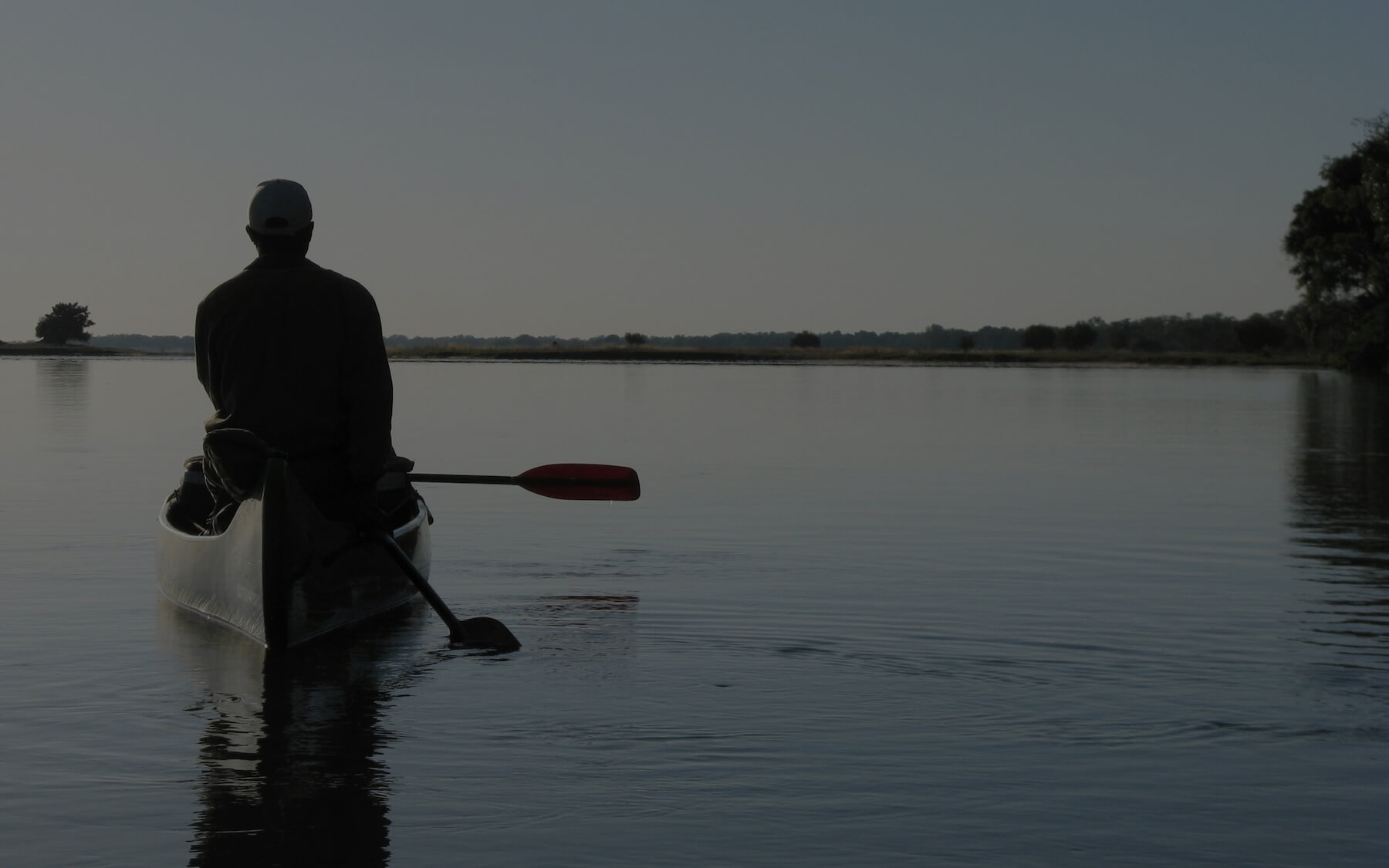
The Coosa River is a waterway that flows through Alabama and Georgia, offering paddlers a wide range of experiences from calm flatwater to exciting whitewater. Beginning in Rome, Georgia, where the Oostanaula and Etowah Rivers converge, the Coosa winds its way southwest into Alabama before joining the Tallapoosa River to form the Alabama River.
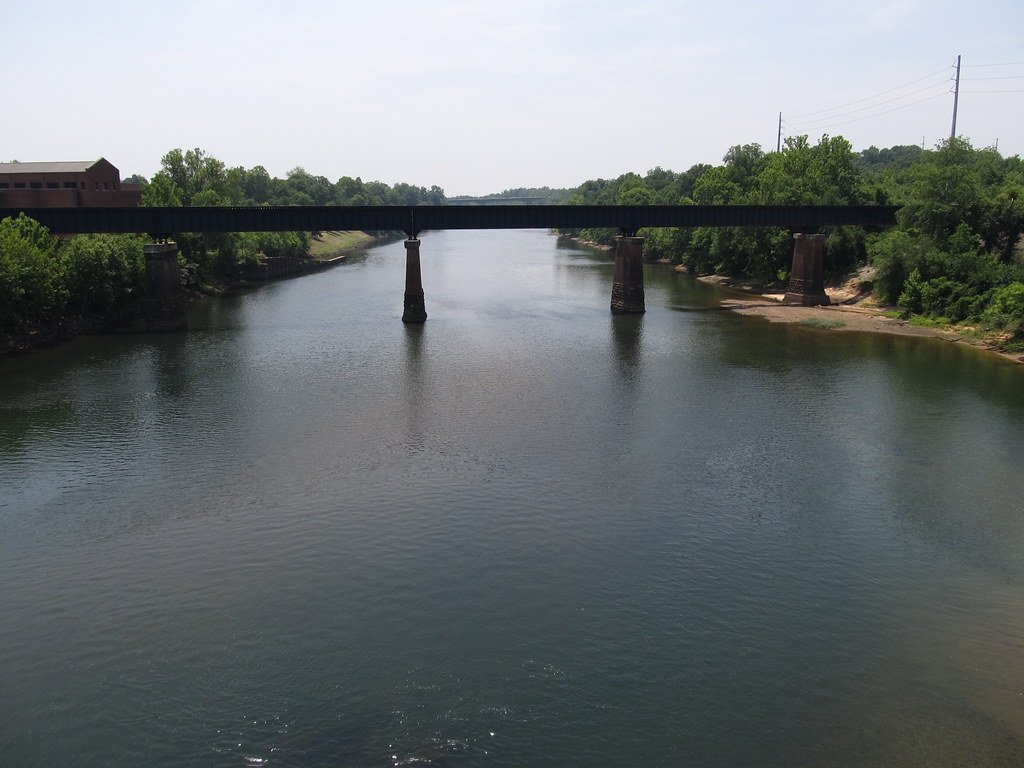
Paddlers can enjoy a variety of sections along the Coosa, each with its own character. In Georgia, the river provides mostly calm waters suitable for beginners and families, with popular put-ins at Heritage Park in Rome and take-outs at Lock and Dam Park or Brushy Branch boat ramp.
As the river enters Alabama, it becomes more adventurous, with the stretch from Jordan Dam to Wetumpka offering some of the most popular whitewater in the state. The difficulty of the Coosa varies significantly depending on the section. In Georgia and parts of Alabama, it's primarily Class I-II, ideal for novice paddlers and relaxing floats. The whitewater section near Wetumpka, Alabama, features Class II-III rapids, including the famous Moccasin Gap, providing excitement for intermediate paddlers. This diversity makes the Coosa suitable for a wide range of skill levels.
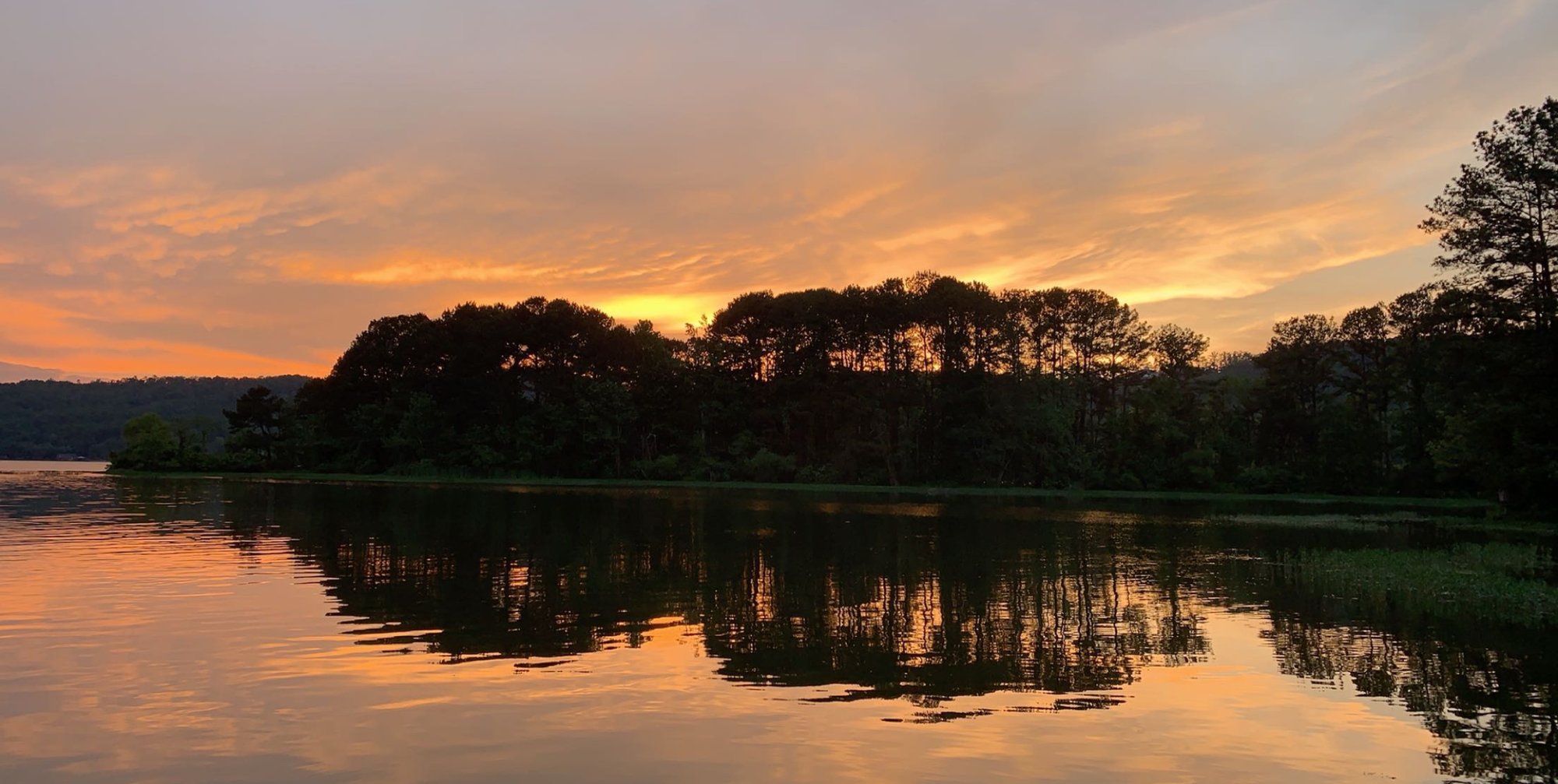
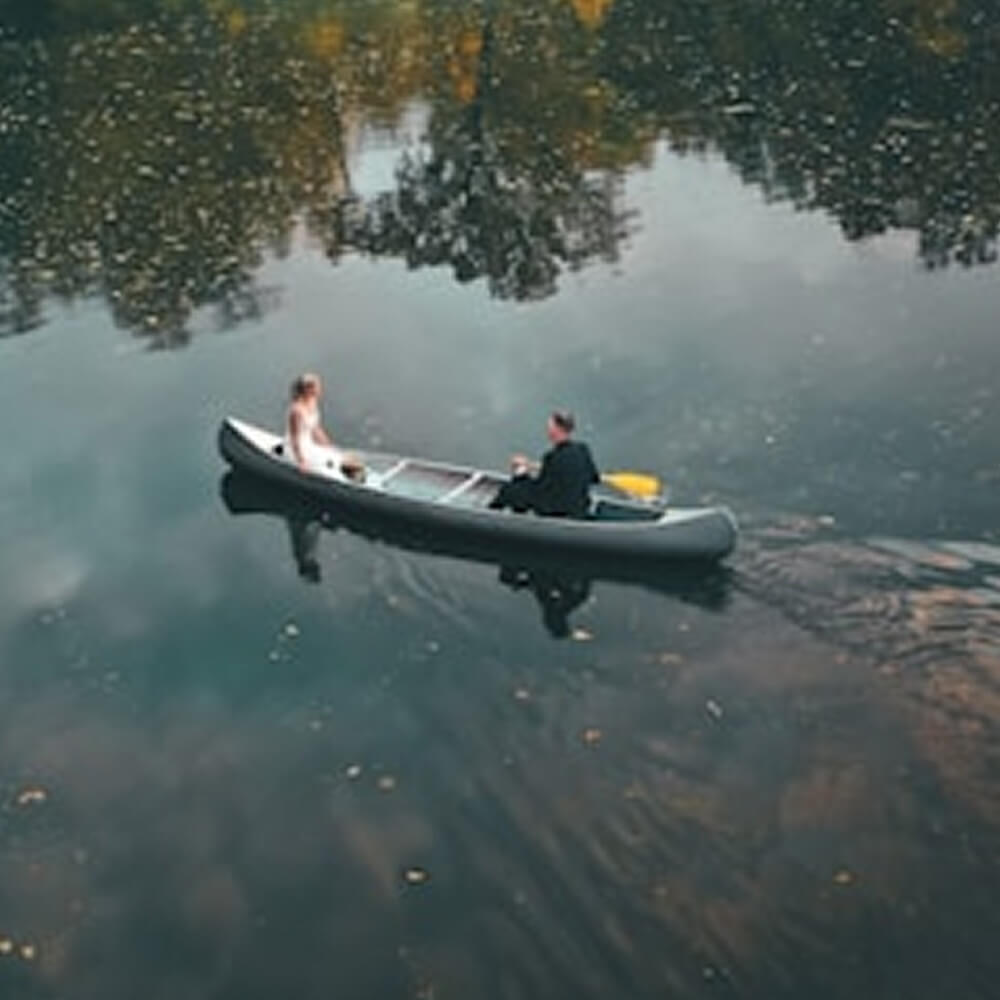
While the Coosa can be paddled year-round, spring and early summer typically offer the best water levels for whitewater enthusiasts. Fall brings beautiful foliage, making it an excellent time for scenic flatwater trips. Paddlers should be aware that water levels can fluctuate due to dam releases, particularly in the whitewater sections.
The river corridor is home to a rich variety of wildlife, including numerous fish species, turtles, and birds. The Coosa is known for its biodiversity, though sadly, many species have faced challenges due to habitat alterations. Paddlers may spot great blue herons, ospreys, and even the occasional bald eagle along the shorelines.
Notable landmarks include the historic Lock and Dam in Rome, Georgia, and the picturesque sandstone cliffs along certain stretches. The river passes through or near several towns, including Rome, Georgia, and Wetumpka, Alabama, providing convenient access points and opportunities to explore local culture and history.
The Coosa River holds significant historical importance, having been a major transportation route for Native Americans and early settlers. Today, it continues to play a crucial role in the region's ecology, recreation, and economy.
Safety considerations include being aware of water levels, especially in the whitewater sections, and understanding that some areas may have submerged hazards. Paddlers should always wear life jackets and check local regulations and dam release schedules before their trip.
For those seeking a multi-day adventure, the Alabama Scenic River Trail offers an epic journey along the Coosa and beyond, stretching 631 miles from the Georgia state line to the Gulf of Mexico. This trail provides an opportunity to experience the full range of what the Coosa and connected waterways have to offer, from serene flatwater to challenging rapids, making it a bucket-list trip for many paddling enthusiasts.
Whether you're looking for a relaxing day float, an adrenaline-pumping whitewater run, or an extended river journey, the Coosa River offers something for every paddler, set against the backdrop of the beautiful southeastern landscape.