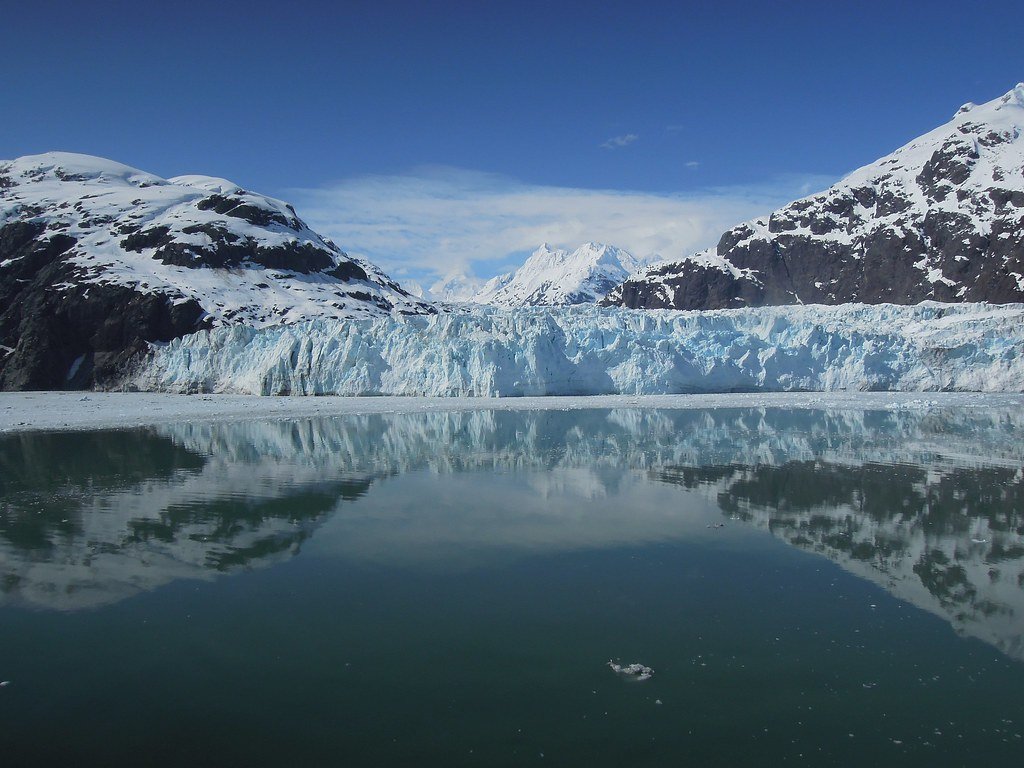
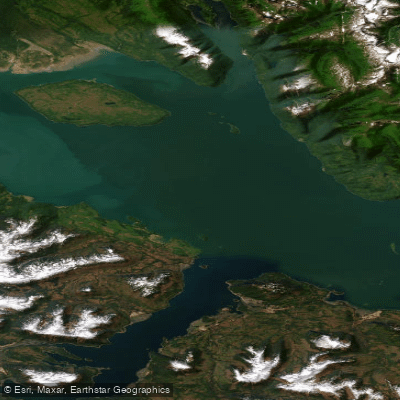
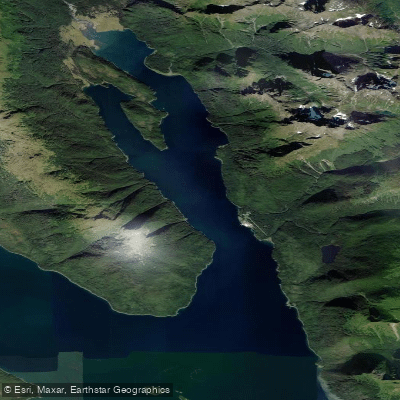
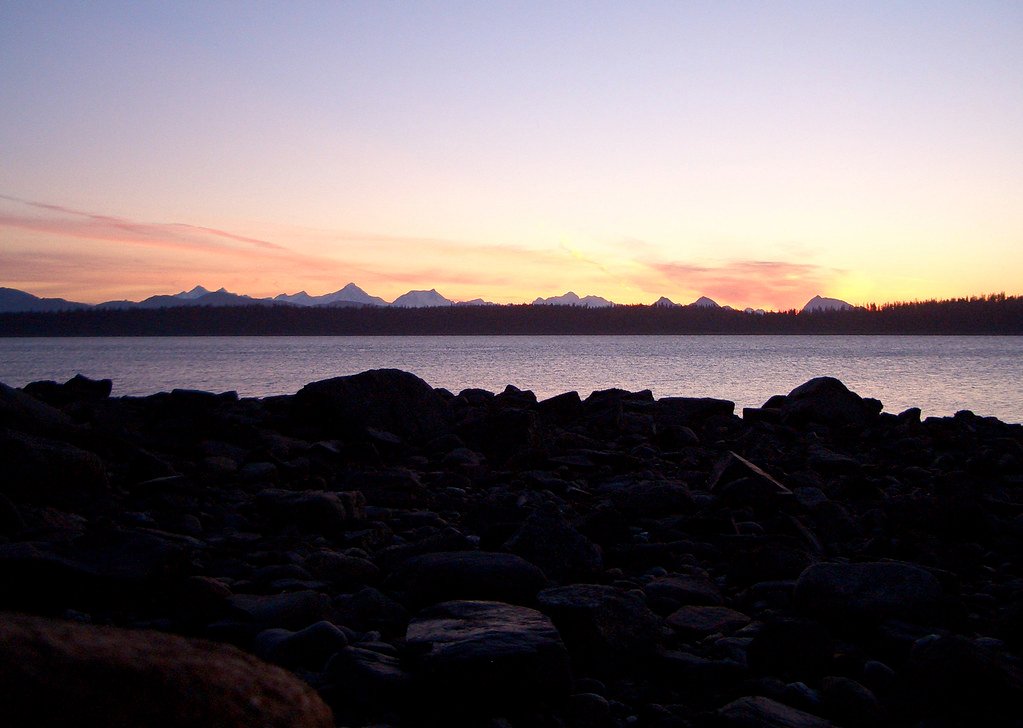
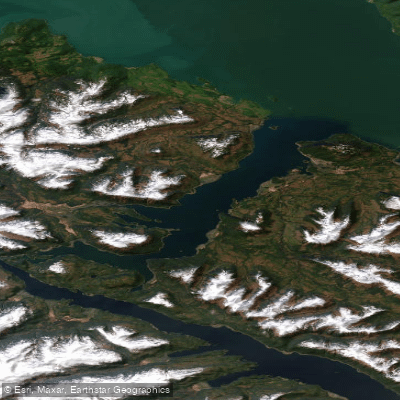
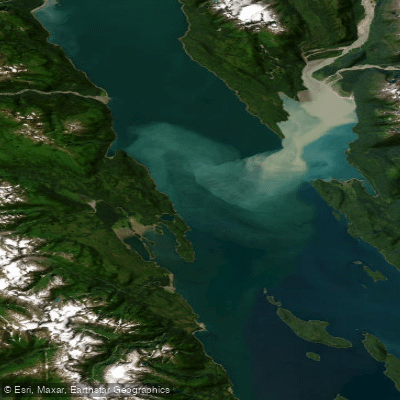
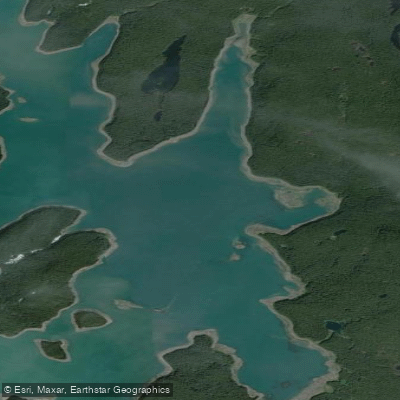
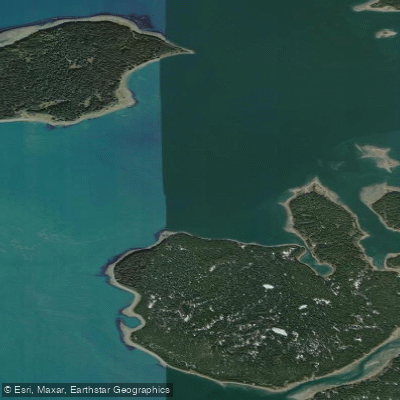
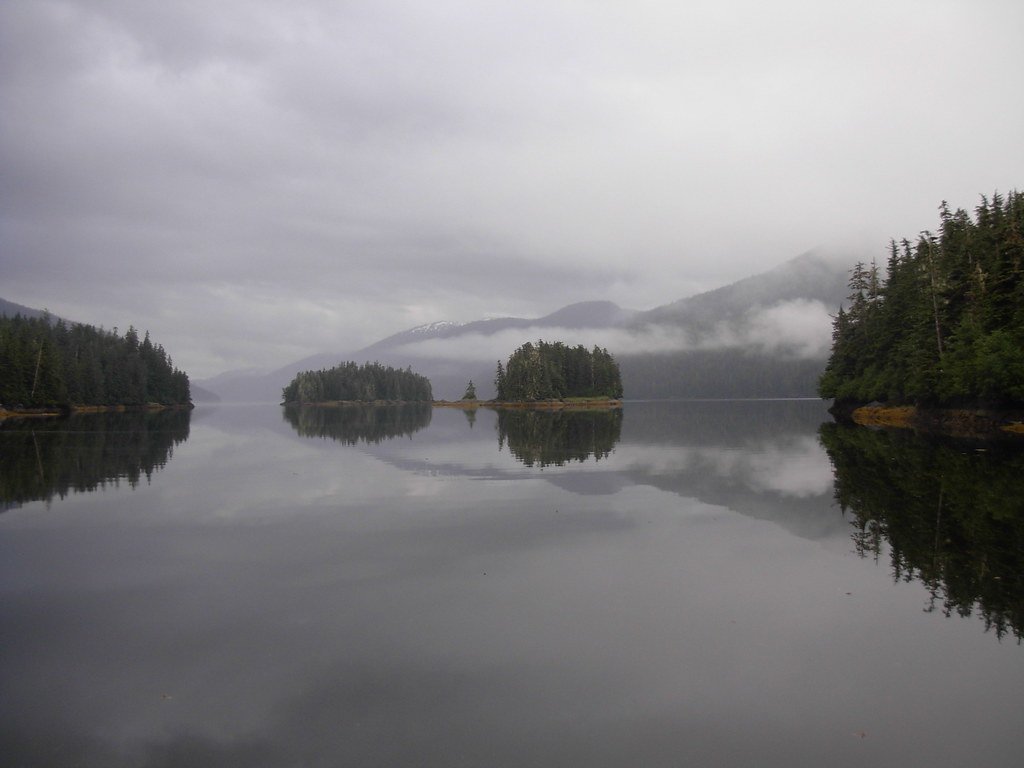
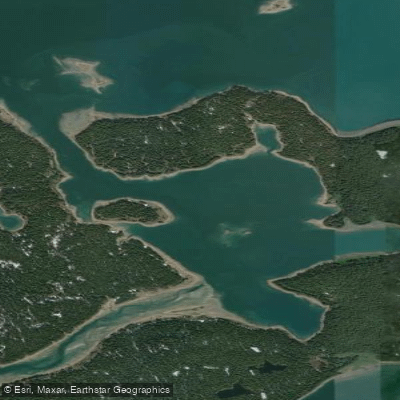
Glacier Bay is a vast, Y-shaped coastal bay and national park in Southeast Alaska, accessible only by air or sea via the small community of Gustavus. The primary and often sole access point for paddlers is Bartlett Cove, which serves as the park headquarters and features a public dock. From here, paddlers can launch directly or, for trips further into the bay, arrange a camper drop-off service via the daily tour boat to designated locations upbay, particularly in the West Arm or East Arm; reservations for this service are essential due to limited kayak capacity. The bay's character is defined by deep glacially carved fjords, towering mountains, tidewater glaciers, and a remote wilderness coastline extending over 760 miles. Paddling conditions are heavily influenced by extreme tidal ranges, which can reach 25 feet over a six-hour cycle, making a thorough understanding of tide tables and planning around high and low tides critical for safety and navigation, especially when accessing areas like the Bartlett River corridor to the Beardslee Islands. The Beardslee Islands in the lower bay offer protected, non-motorized waterways ideal for beginners, while the more exposed West and East Arms provide advanced routes past active glaciers. Hazards include significant boat traffic from tour boats and cruise ships in the main channels, the presence of both black and brown bears requiring the use of park-provided bear-resistant food canisters, and cold water temperatures typical of a subarctic marine environment. All overnight kayakers must obtain a free backcountry permit and complete a mandatory camper orientation at the Bartlett Cove Visitor Information Station between May 1 and September 30. Kayak rentals and guided day trips are available from concessionaires in Bartlett Cove, which features a campground and basic visitor facilities. The area is teeming with wildlife, including humpback and orca whales, sea otters, harbor seals, sea lions, moose, and bald eagles.