Paddling in Yukon
- Lakes
- 1,182
- Rivers
- 1,488
- Access
- 0
- Boat Ramps
- 30
- Shops
- 0
The Yukon is canoe country, full stop. This is a subarctic territory in northwestern Canada where rivers have always been the roads, and paddling them still feels like the most honest way to move through the land.
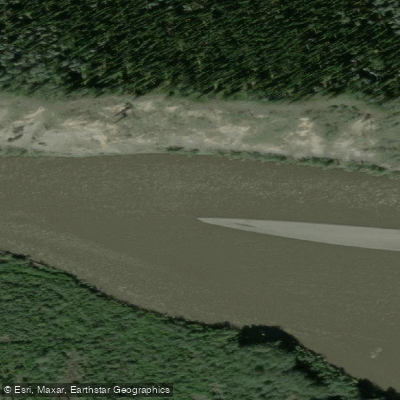
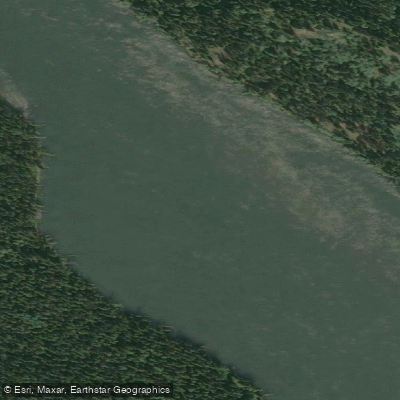
The water is mostly big, cold, and moving — long wilderness rivers draining boreal forest and mountain ranges into the Bering Sea.
The scale is genuinely different here: multi-week trips are normal, remoteness is the baseline, and the midnight sun means you can paddle at 11pm without a headlamp. The Yukon River is the spine of it all.
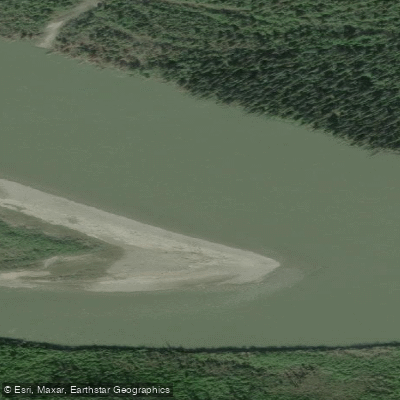
At 3,190 kilometres it runs from headwaters near the BC border all the way through Alaska, and the classic Whitehorse-to-Dawson City stretch — roughly 740 kilometres — is what most visiting paddlers come for.
It's not technically demanding; the current does real work for you at around 9 kilometres per hour near Whitehorse, and the main hazards are weather, wind, and the sheer commitment of being out there for two to three weeks.
The river passes through the territories of the Tr'ondëk Hwëch'in, Tutchone, Tagish, and Tlingit peoples, and the landscape carries that history — old fish camps, gold rush ghost towns, the famous Lake Laberge where Robert Service set his most quoted poem.
No permit is required to paddle the Yukon River or any river in the territory. Beyond the main stem, the Teslin River draws paddlers looking for something quieter and less trafficked.
The Pelly River and the Klondike River are part of the same watershed web, each with its own character.
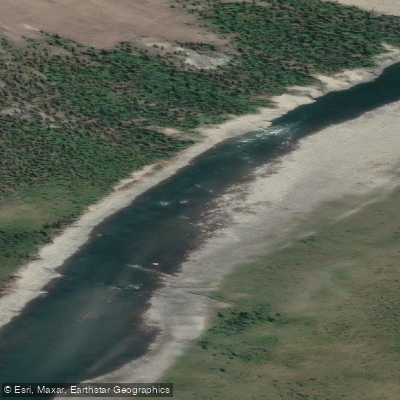
For those willing to work harder for the experience, rivers like the Firth in the far north push into genuinely remote Arctic terrain — float-plane access, no infrastructure, serious bear country.
The Bonnet Plume and Wind rivers are in the same category: long, committing, and not forgiving of poor planning. Whitewater exists too, concentrated in shorter technical runs.
The Kathleen River and Lapie River both see guided whitewater trips running June through August, when water levels are high enough to be interesting.
The season here is compressed — most paddling happens between late May and early September, with June and July offering the longest days and the most reliable conditions. Logistics matter more in the Yukon than almost anywhere else in Canada.
Shuttle services operate out of Whitehorse, and outfitters like Up North Adventures and Ruby Range Adventure handle gear rentals, trip planning, and guided expeditions. Float planes open up the rivers that roads don't reach.
What the Yukon asks of you, more than technical skill, is the willingness to be genuinely out there — days from a road, dependent on your own judgment, moving at the pace of the water. That's not a warning. For the right paddler, it's the whole point.
Paddle smarter with real-time insights
Whether you're en route and conditions shift or you're looking for the best spot based on current flows, we enable you to make informed decisions on the fly.



Yukon licenses and regulations
Explore Yukon waters
Top paddling waters
Popular Cities
Loading popular cities...
Smarter Paddling Starts in the App.
Paddleways gives you everything you need to plan smarter, paddle better, and own every trip from first launch to takeout.