Long Island Sound
- Saltwater
- Sound
Long Island Sound
- Saltwater
- Sound
- Sq. miles
- 1,254
- Boat Ramps
- 38
- Access Points
- 4
- Campsites
- 2
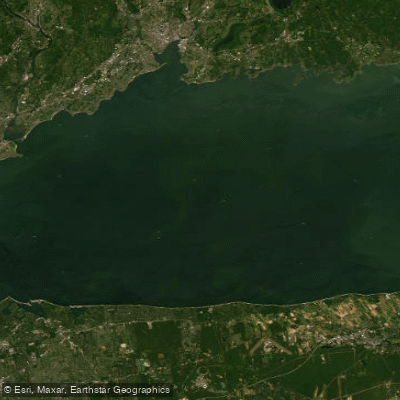
Long Island Sound is a large, open estuary between Connecticut and Long Island, New York. It is a saltwater sound with significant tidal influence, featuring a tidal range of approximately nine feet in some areas. This creates strong currents and requires careful planning; paddlers must account for tide stages to avoid paddling against strong flows, especially in narrow rivers and channels that feed into the Sound. The open nature of the Sound means it is exposed to wind, which can quickly create choppy conditions and challenging waves, as accounts describe strong headwinds creating a vigorous workout for kayakers. The water body experiences heavy pleasure boat traffic during the summer months, particularly around harbors, inlets, and boat channels. Paddlers should exercise caution when crossing these busy channels. Numerous public access points exist along both shores. On the New York side, documented launch sites include Centerport Beach, Cold Spring Harbor, and Steppingstone Marina, offering sand beaches, paved ramps, and marina access. In Connecticut, put-ins like those in Rowayton provide access via rivers such as the Four Mile River. Many of these sites are managed by town or county agencies, and permits or daily fees may be required for residents and visitors, particularly from late May through early September. Facilities are generally limited to the launch point itself, with parking available at most sites. The shoreline is varied, featuring rocky islands, marshes, and developed coastlines. Wildlife sightings include numerous bird species such as cormorants, oystercatchers, willets, egrets, and osprey. The aesthetic is largely coastal, with views of sailboats, picturesque villages, and, in some areas, exposed rock formations and seagrasses at low tide. Guided tours are available from certified instructors, offering two-hour excursions on the Sound. Due to its exposure, wind, boat traffic, and currents, the Sound is considered more suitable for experienced paddlers; one source strongly advises against standup paddleboarding here due to rescue incidents. The best paddling conditions are typically found in sheltered bays and harbors, or by paddling south from some launches into more protected areas rather than heading directly into the open Sound. The summer is the primary season for recreational use, though water temperatures can be cold outside of the peak summer months.
Water access, boat ramps & amenities
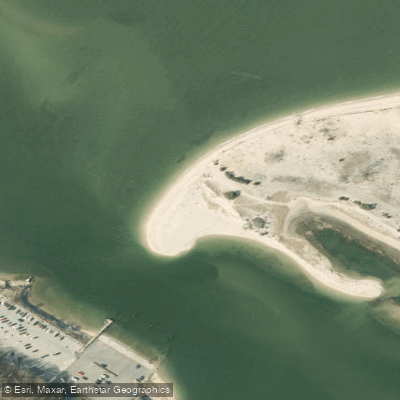
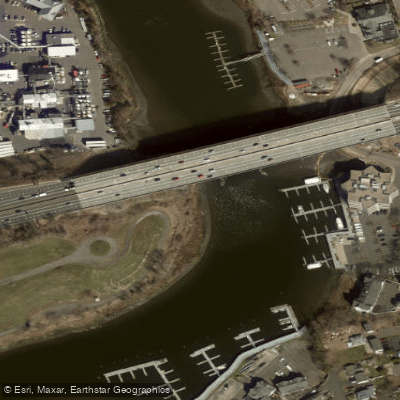
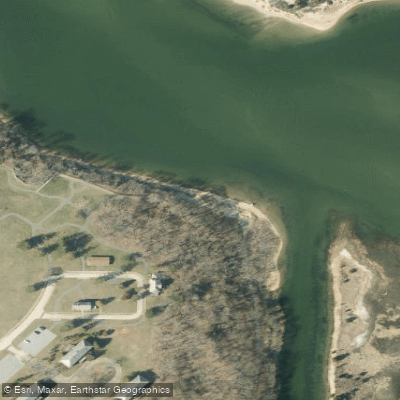
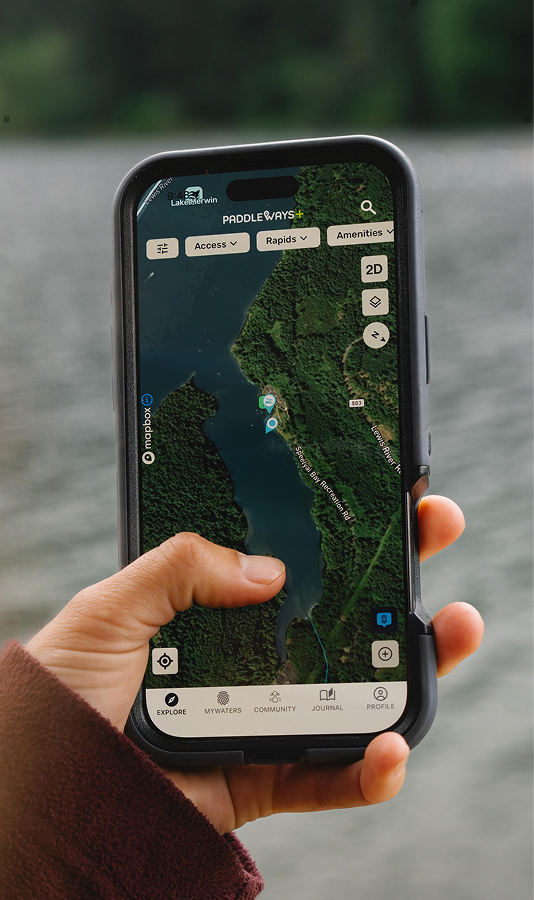
Learn how to get on Long Island Sound. Uncover great paddling access points, boat ramps, and all the facilities you need for an unforgettable day on the water. Some locations shown may border or include private property. Always check property boundaries and applicable regulations before visiting. PaddleWays's Public & Private Land layer can help you plan your access with confidence.
Paddle smarter with real-time insights
Whether you're en route and conditions shift or you're looking for the best spot based on current flows, we enable you to make informed decisions on the fly.





Find Places to Paddle

Over 400,000 Places to Paddle
Every user gets free access to launch points, boat ramps, and public property parcels.

Tides, wind & water conditions (10 day forecast)
On open water, wind and tide matter as much as the weather. See the best times to paddle Long Island Sound and check the marine forecast before you launch.
Loading tide predictions…
Paddling near Long Island Sound
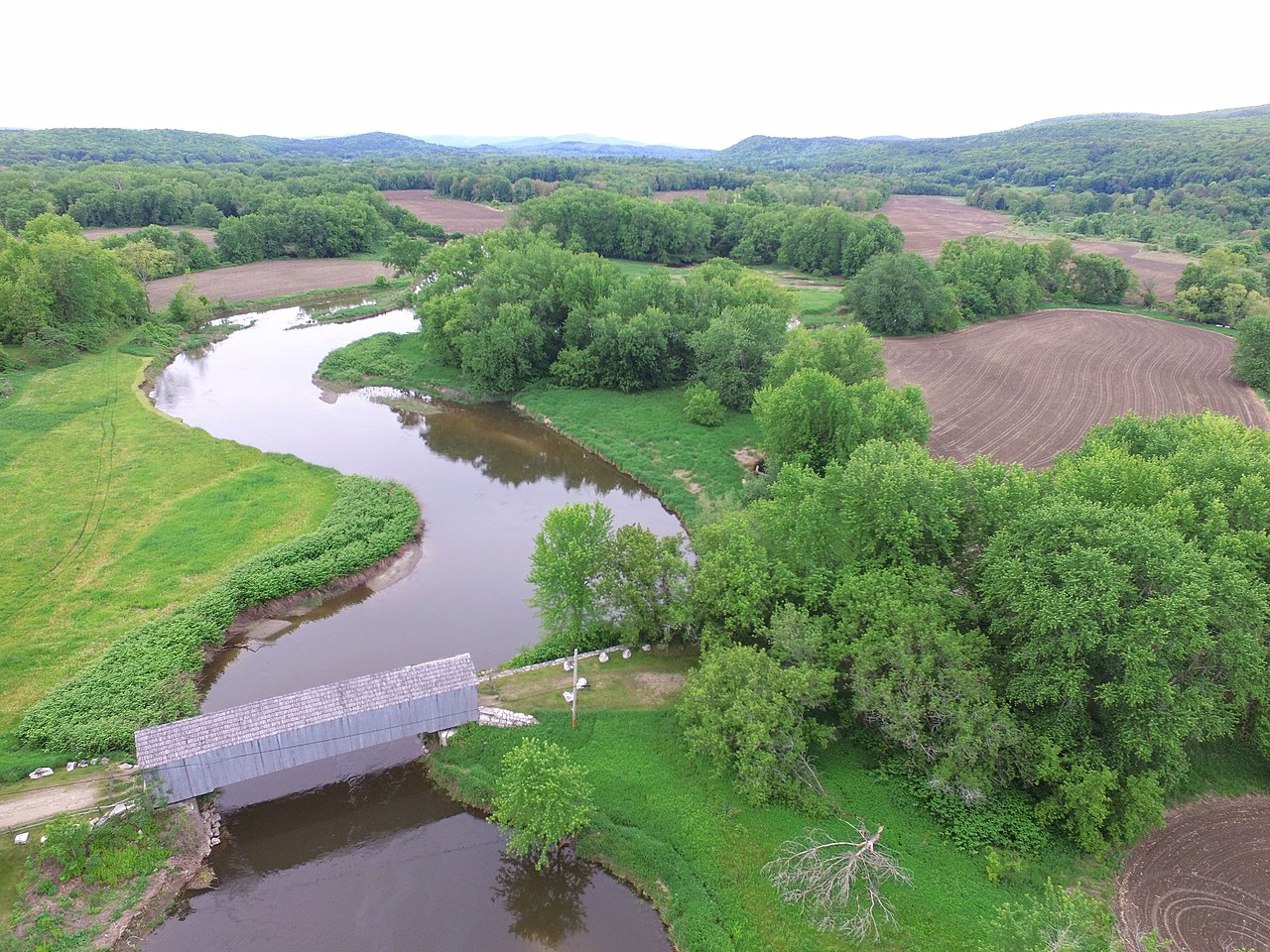
Housatonic River
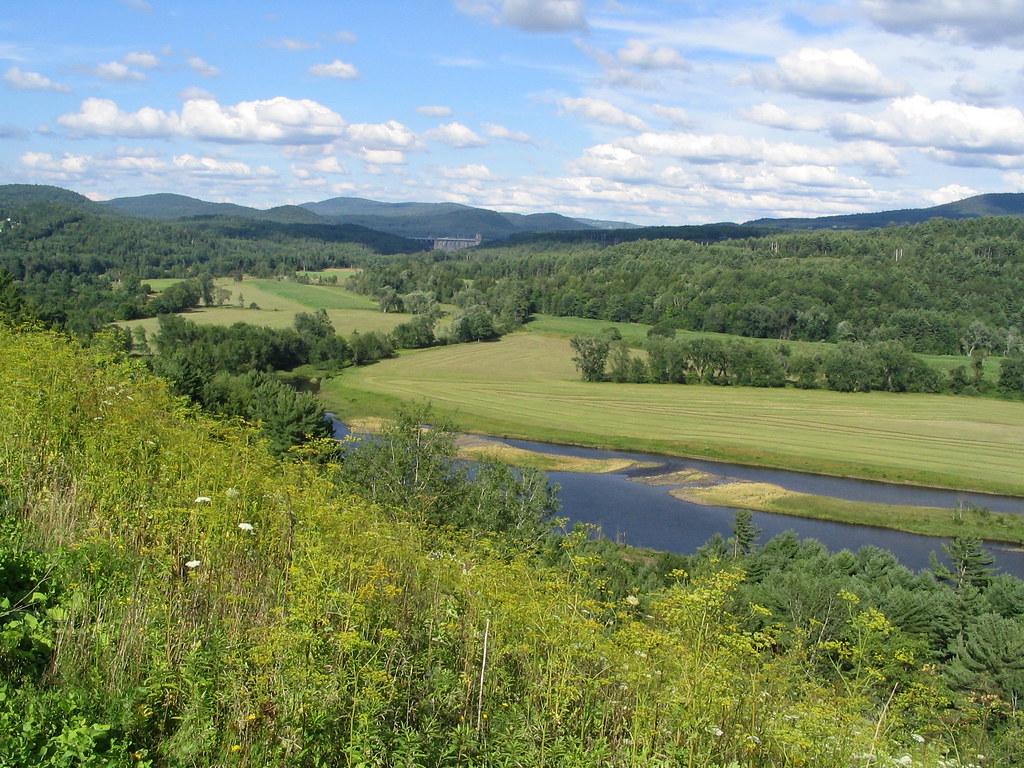
Connecticut River
The Thimbles
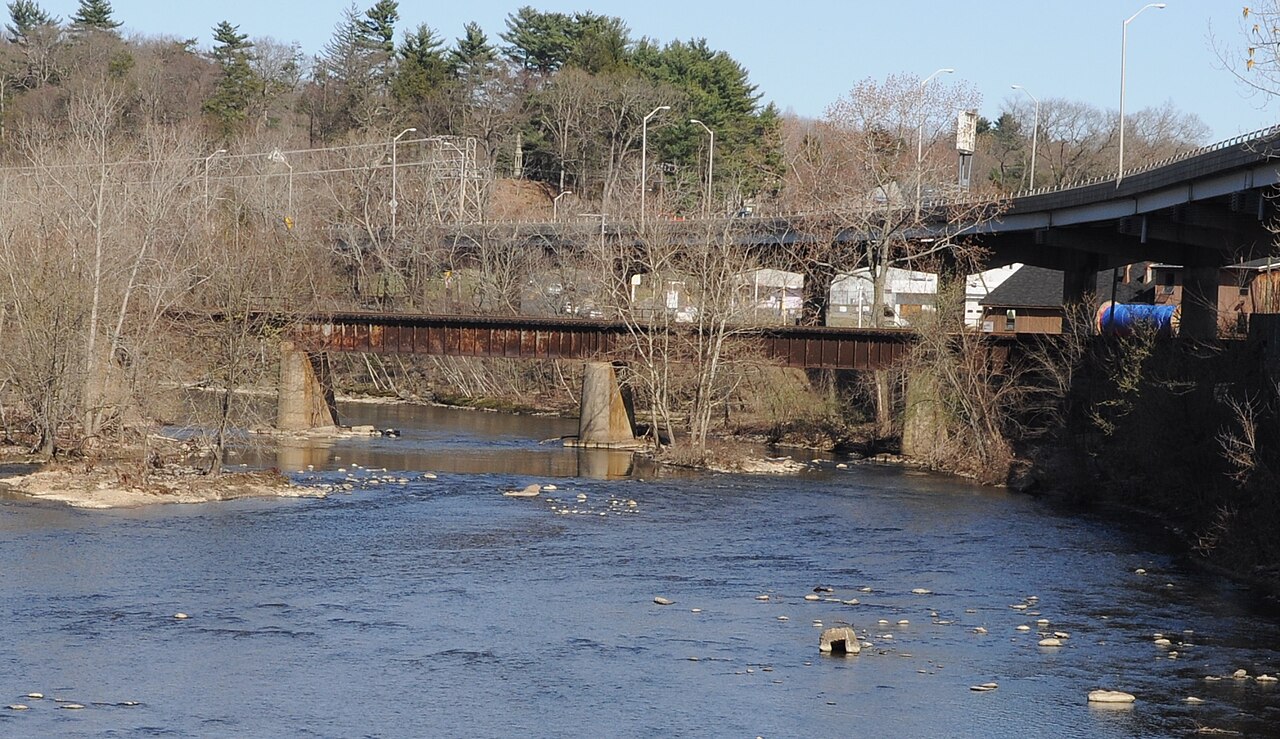
Naugatuck River
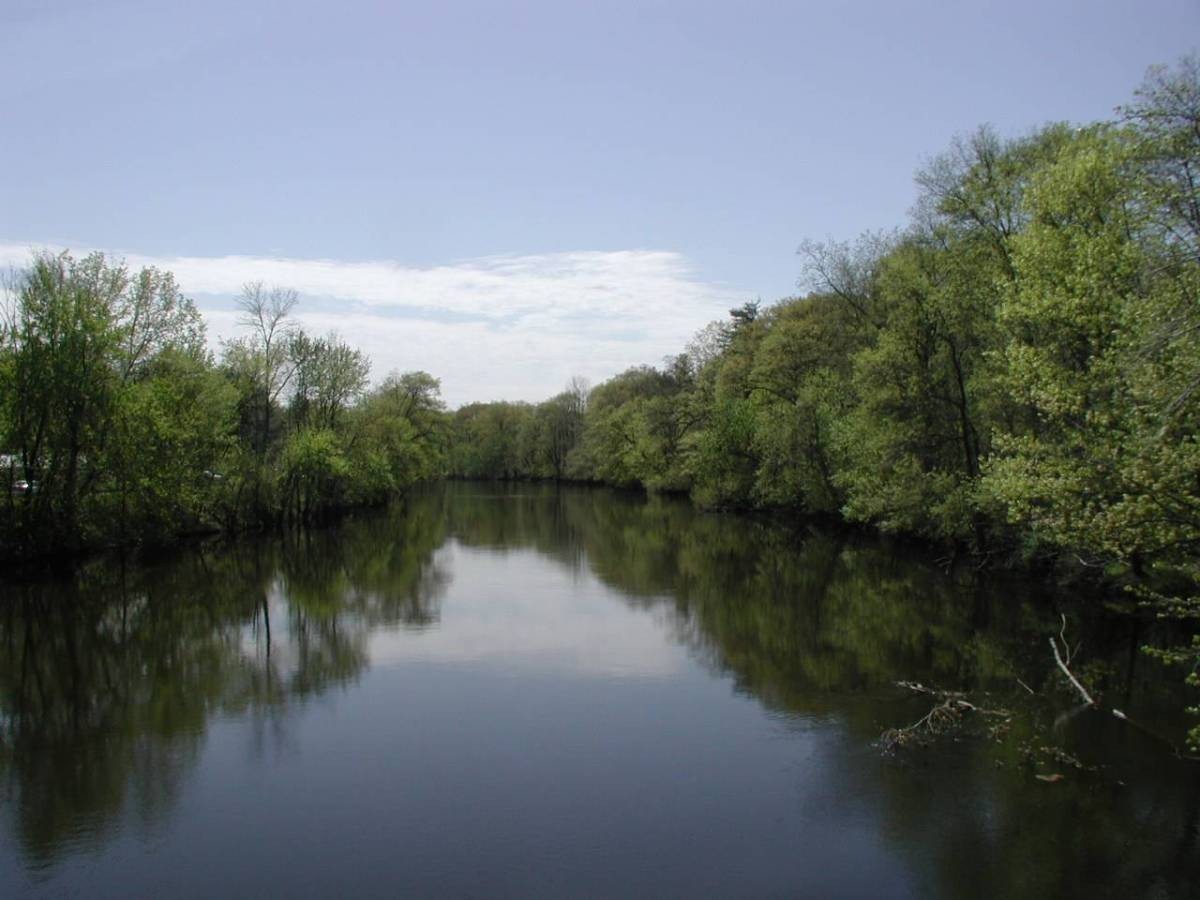
Farmington River
Morris Cove
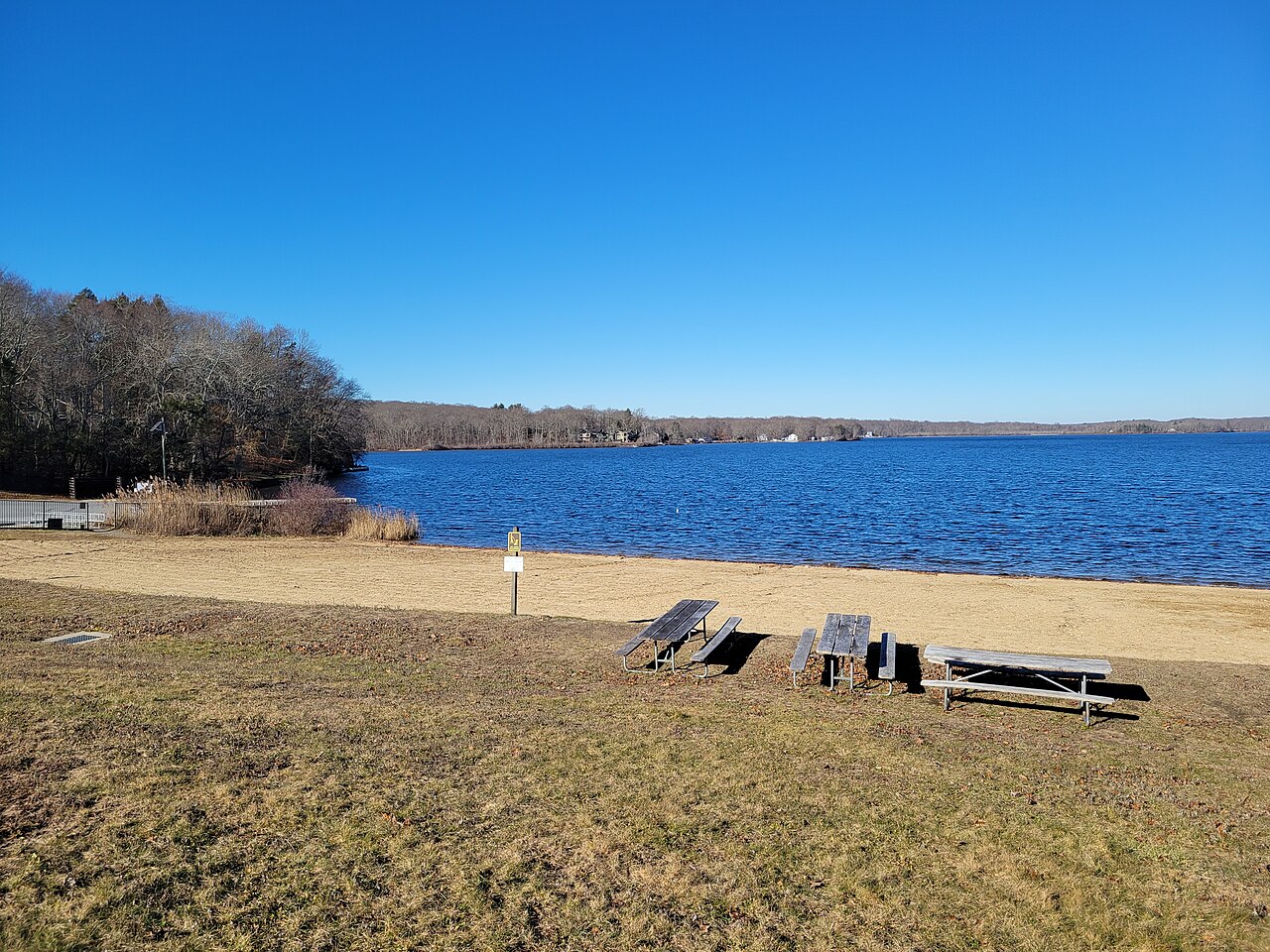
Gardner Lake
Peconic River
Sea Bluff Beach
Hudson River
Explore Connecticut waters
Top paddling waters
Popular Cities
Loading popular cities...
Explore near Long Island Sound
Access points
- Long Island Sound Huntington Harbor Boat Ramp
- Marina Boat Ramp
- Marina Boat Ramp
- Marina Boat Ramp
- Nissequogue River Boat Ramp
- Long Island Sound Mount Sinai Harbor Boat Ramp
- Lighthouse Point Boat Ramp
- Sherwood Mill Pond Kayak Ramp
- Hammonasset Beach Boat Ramp
- Dock Road Boat Ramp
- Marina Boat Ramp
- Marina Boat Ramp
- All 583 spots
Nearby waters
More in Connecticut

Smarter Paddling Starts in the App.
Paddleways gives you everything you need to plan smarter, paddle better, and own every trip from first launch to takeout.