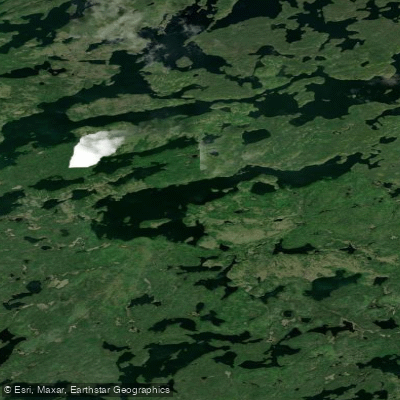
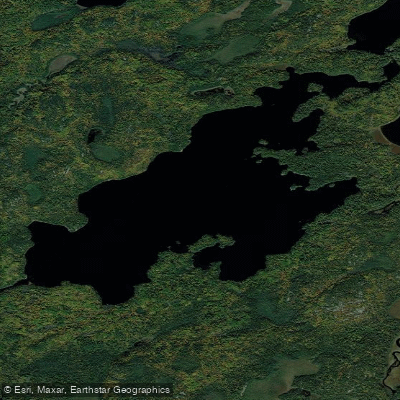
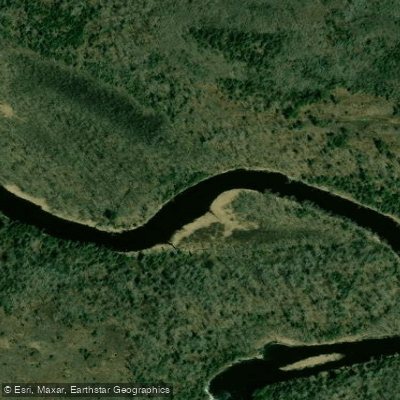
Kekekabic Lake is a remote lake located in the Boundary Waters Canoe Area Wilderness (BWCAW) of northeastern Minnesota. The lake is known for its deep, clear waters and is renowned for its lake trout population. Kekekabic Lake is situated along the 41-mile Kekekabic Trail, which runs from the Gunflint Trail to near Ely, Minnesota.
Access to Kekekabic Lake is primarily via the Kekekabic Trail, which passes by the lake. The trail can be accessed from either the eastern terminus near the Gunflint Trail or the western terminus near Snowbank Lake Road. However, reaching the lake requires a significant hike through rugged wilderness terrain.
Safety considerations for visiting Kekekabic Lake include the remote nature of the area and the challenging hiking conditions on the Kekekabic Trail. The trail is known for its ruggedness and is recommended only for experienced hikers with good backcountry navigation skills. Hikers should be prepared for potential hazards such as fallen trees, overgrown vegetation, and difficult terrain.
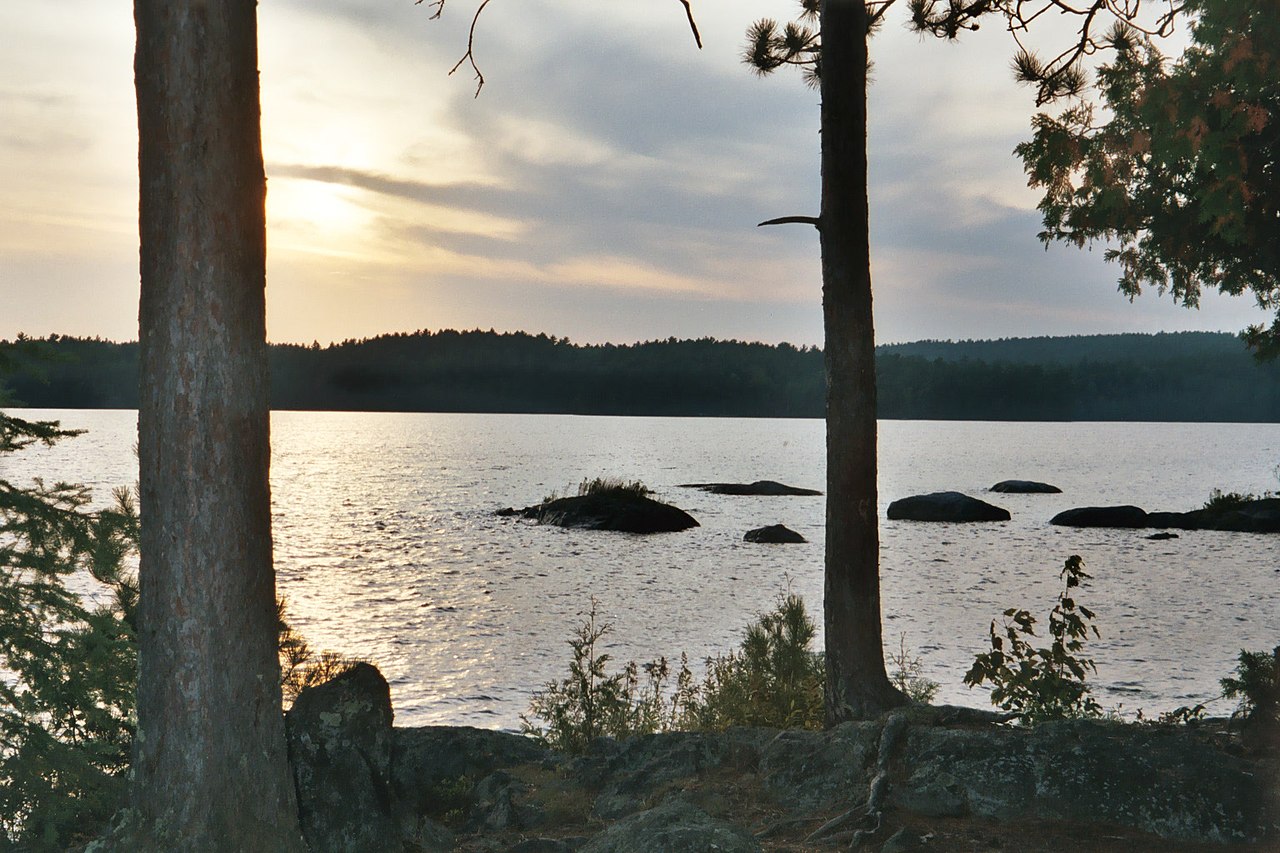
The area around Kekekabic Lake offers opportunities to observe wildlife in their natural habitat. The surrounding wilderness is home to moose, wolf, bear, and beaver populations. The lake itself is noted for its interesting geology, which may be of interest to paddlers.
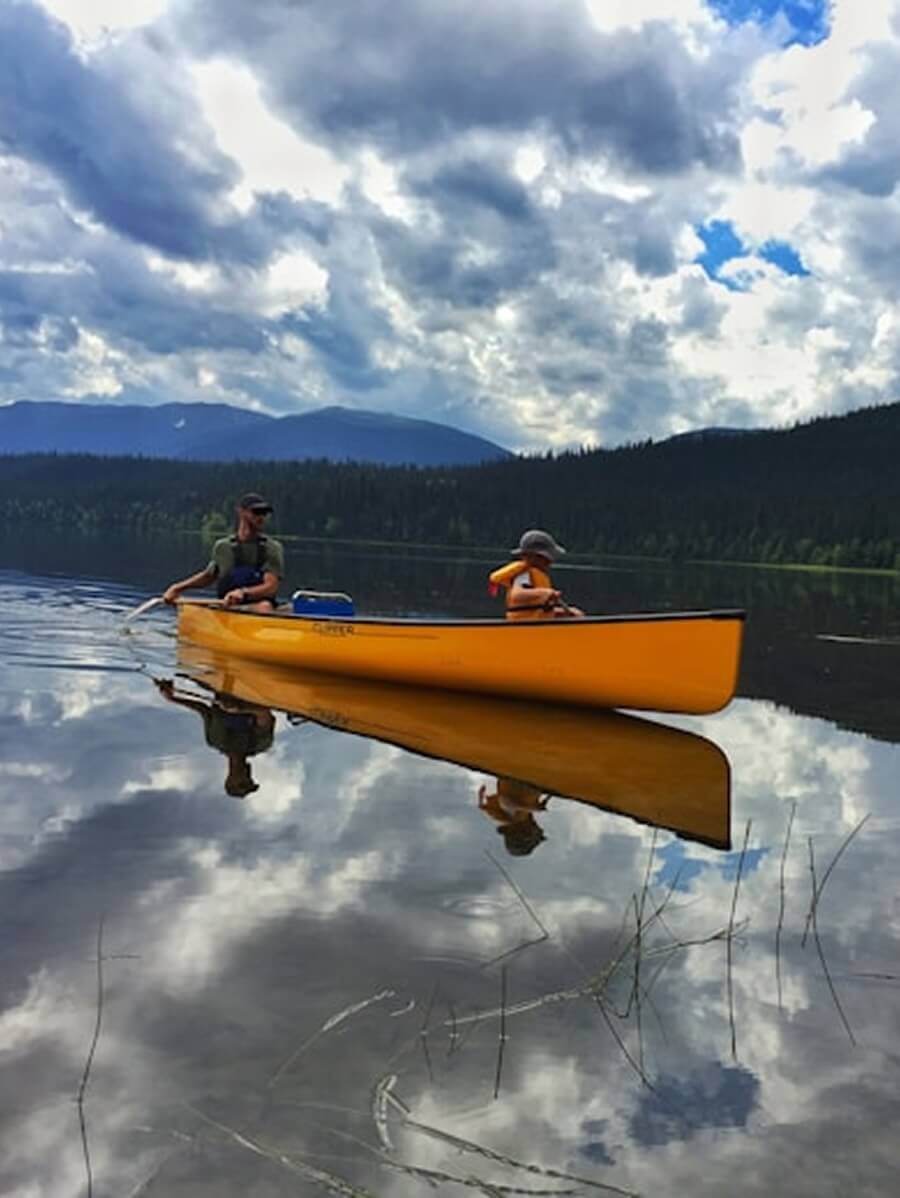
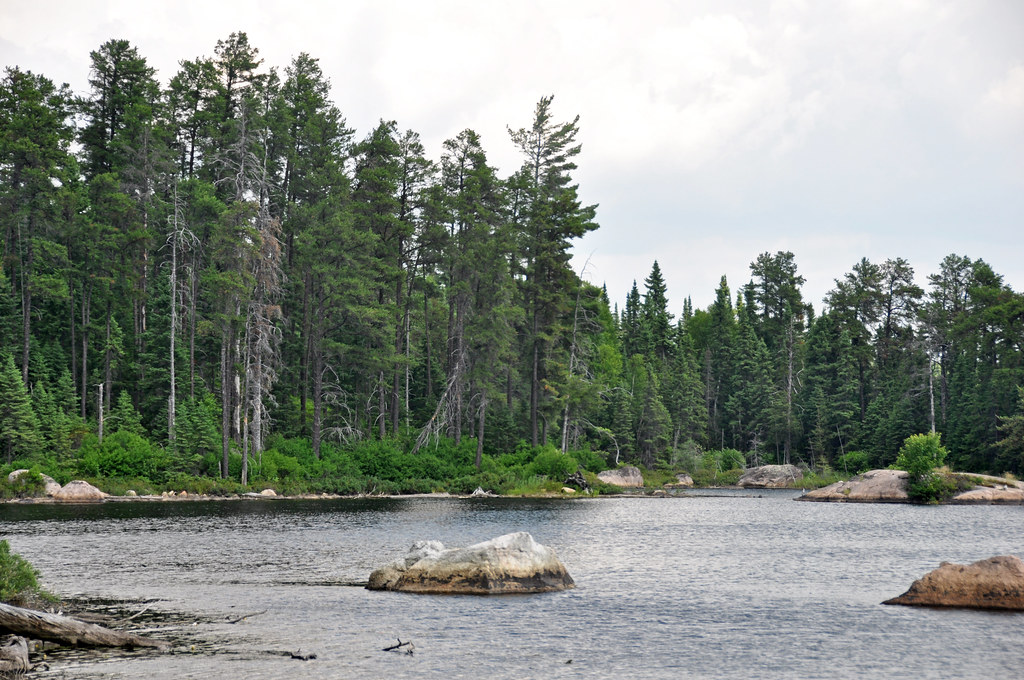
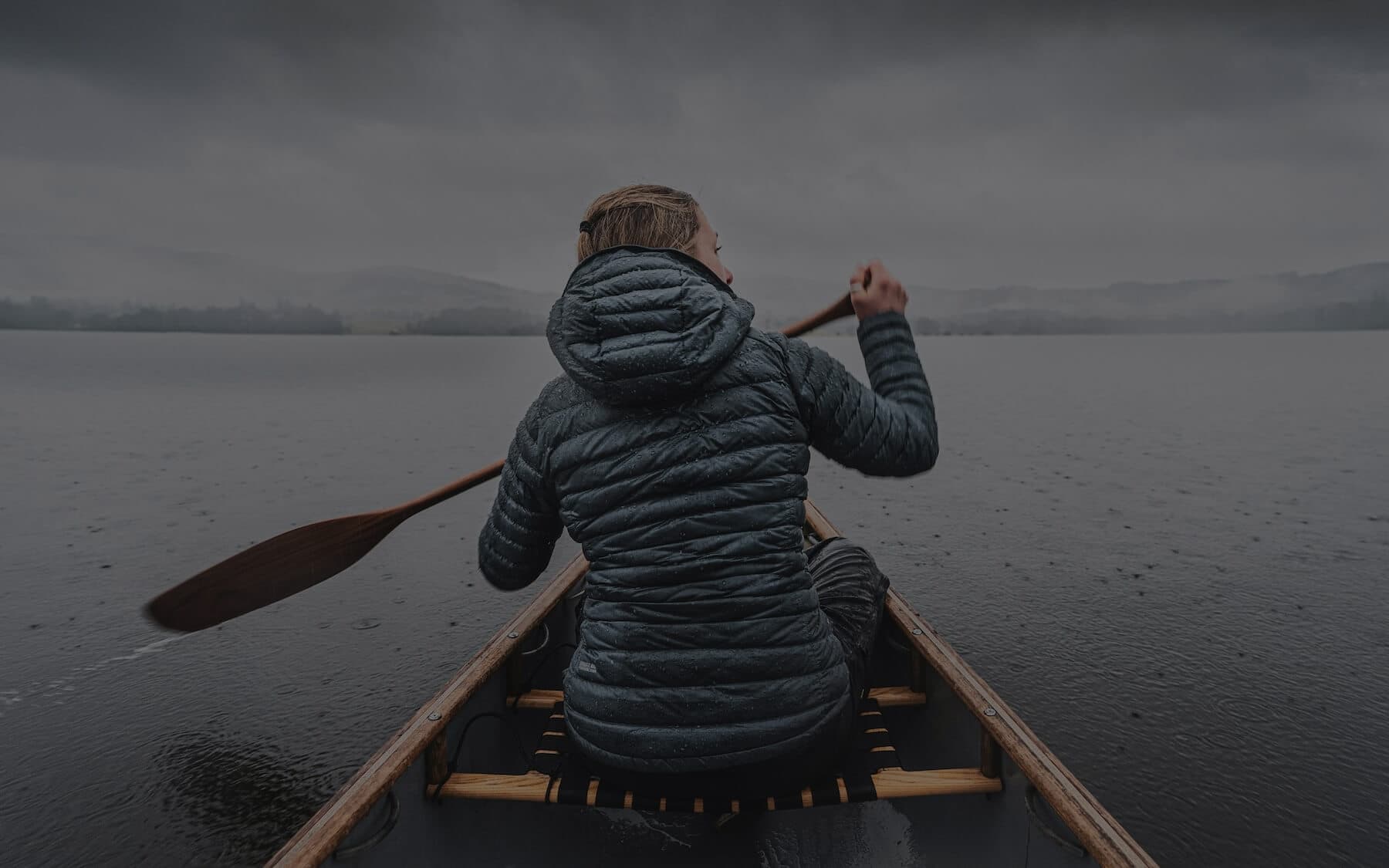
Paddling on Kekekabic Lake provides a true wilderness experience. The lake is surrounded by boreal forest and offers a sense of isolation due to its remote location. Paddlers should be aware that this area receives relatively few visitors compared to more accessible parts of the BWCAW.
As part of the Boundary Waters Canoe Area Wilderness, Kekekabic Lake is subject to wilderness regulations. Visitors are required to obtain a permit for overnight stays in the BWCAW. It's important for paddlers to practice Leave No Trace principles and be aware of any specific regulations regarding camping and fire use in the area.
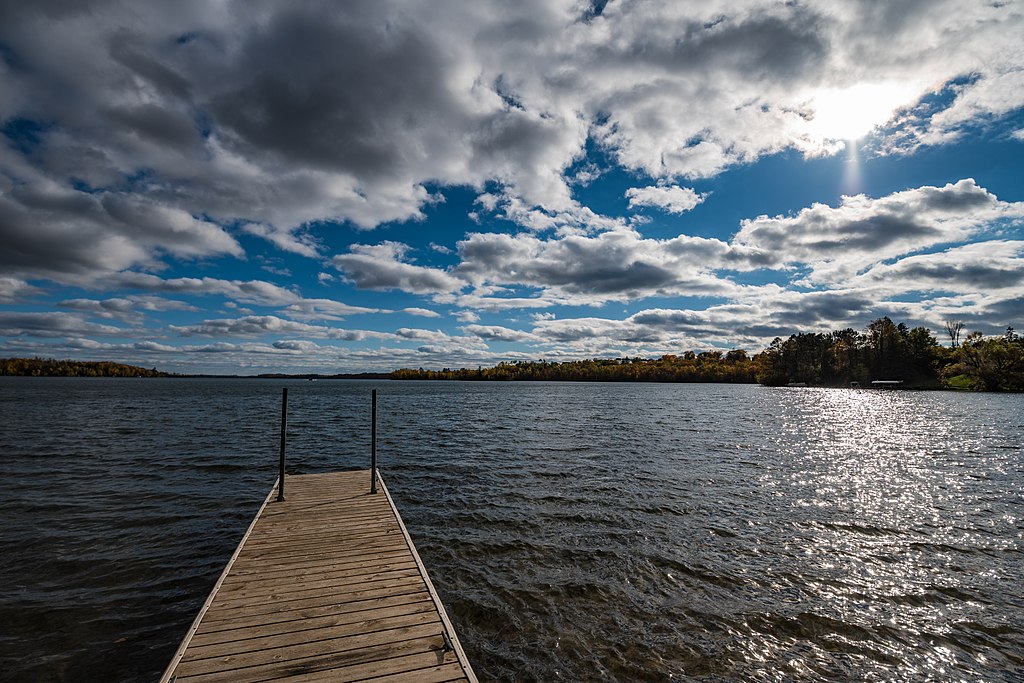
The best time to visit Kekekabic Lake may be in the fall when temperatures are cooler and the autumn colors provide a spectacular backdrop. Summer visits are also possible but may come with higher temperatures and more insects.
Facilities for paddlers are minimal due to the wilderness designation. Campsites are available around the lake, but they are rustic and have limited amenities. Paddlers should be prepared for self-sufficient backcountry camping.
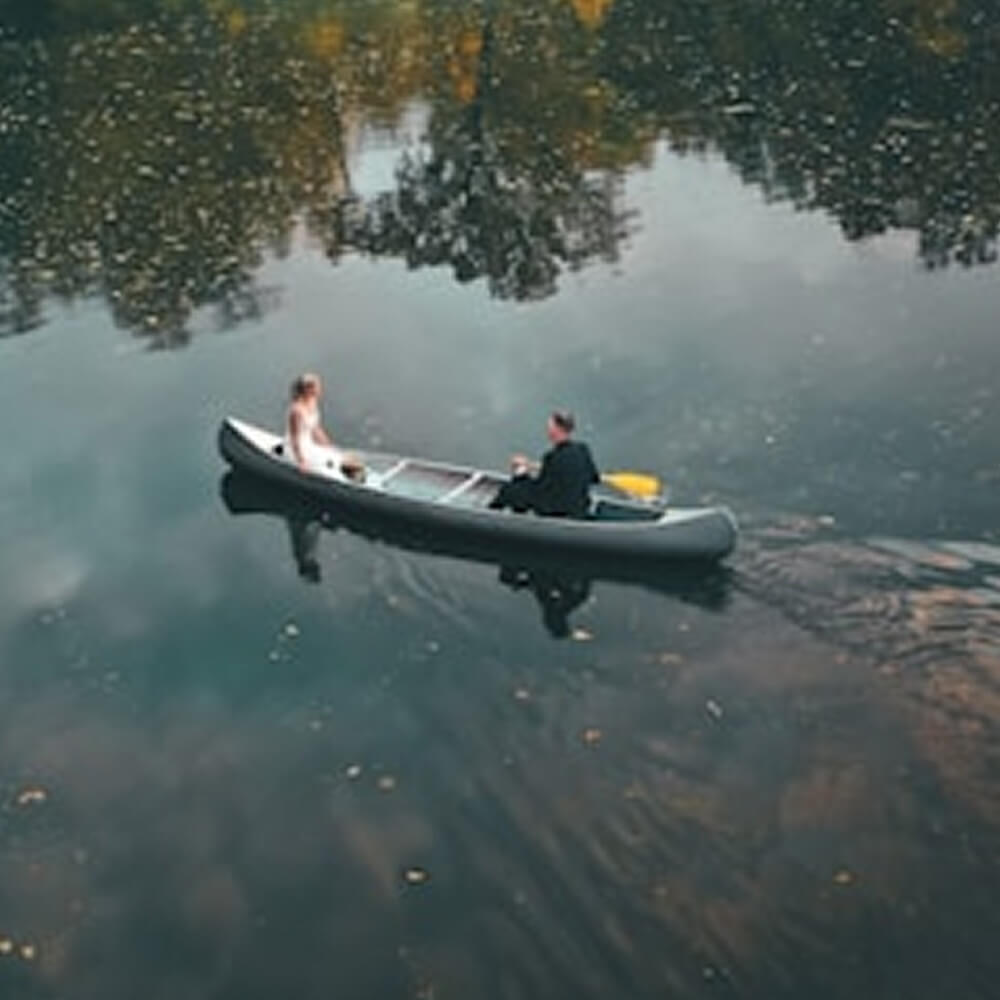
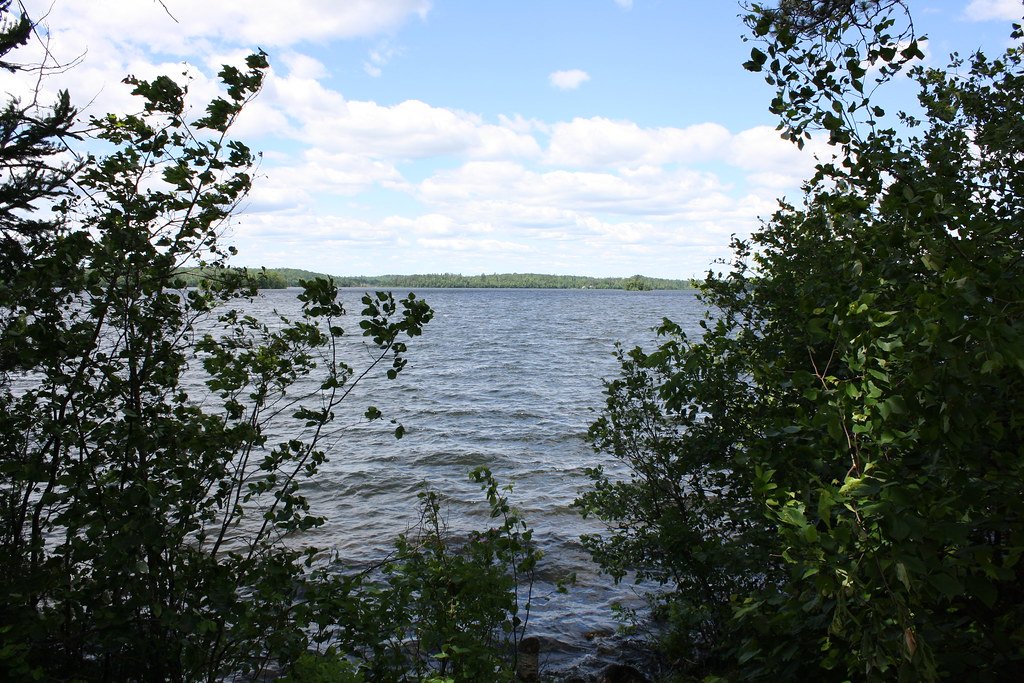
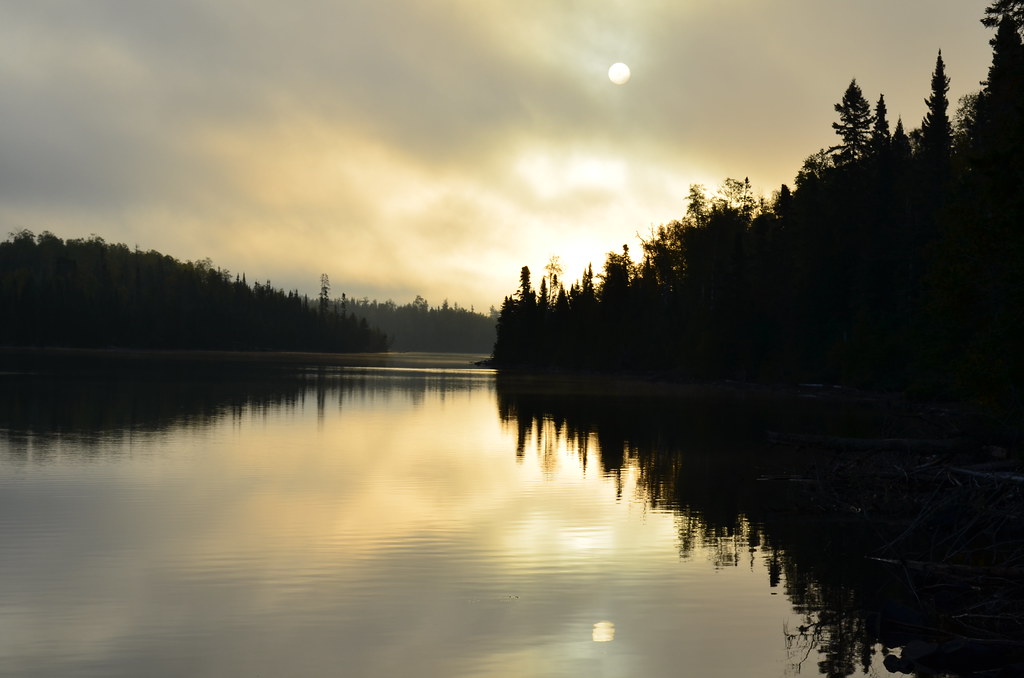
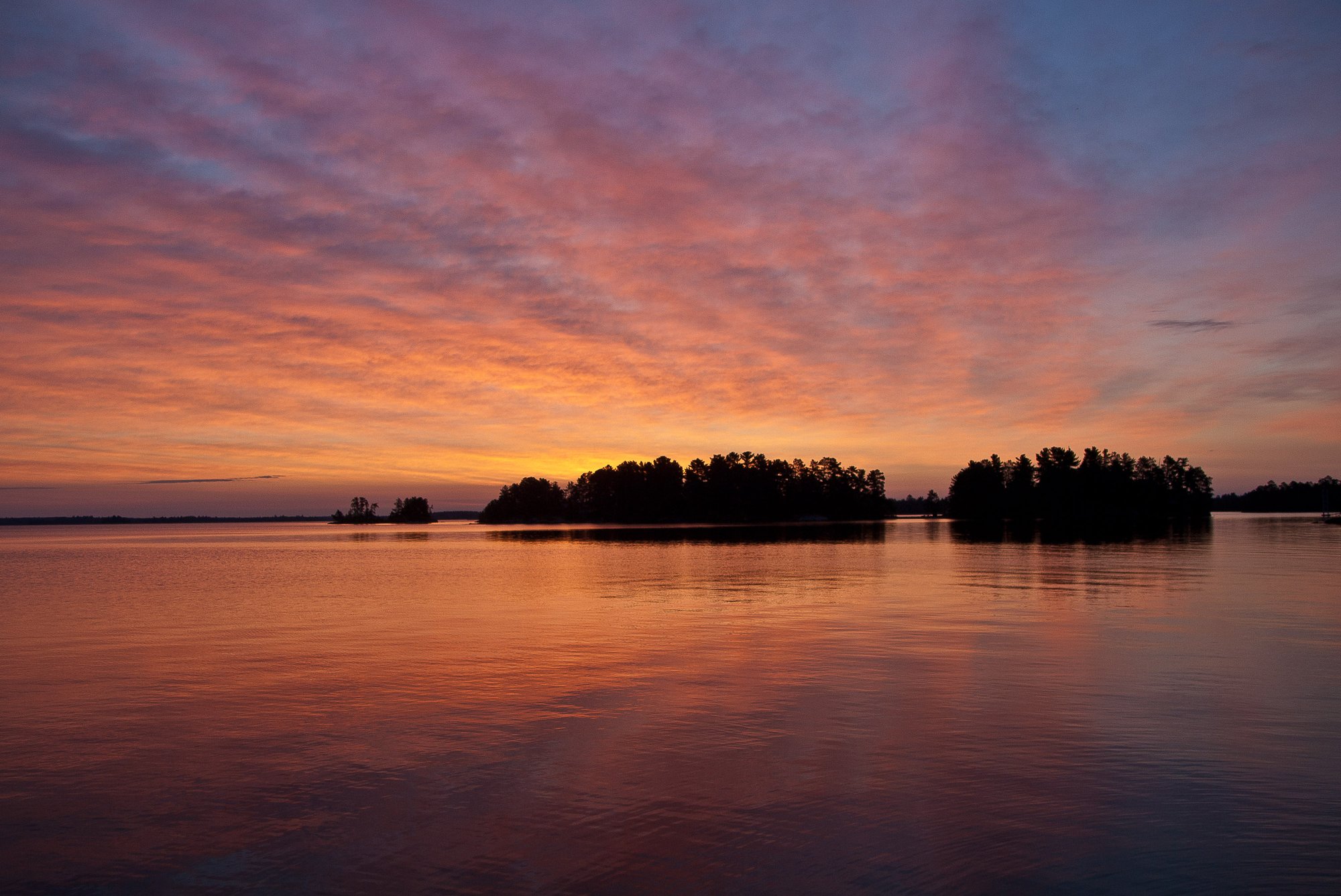
Kekekabic Lake's remote location within the BWCAW contributes to its pristine nature. The lake is part of a protected wilderness area, which helps maintain its water quality and natural character. Paddlers can expect to find clear waters reflecting the surrounding forest landscape.
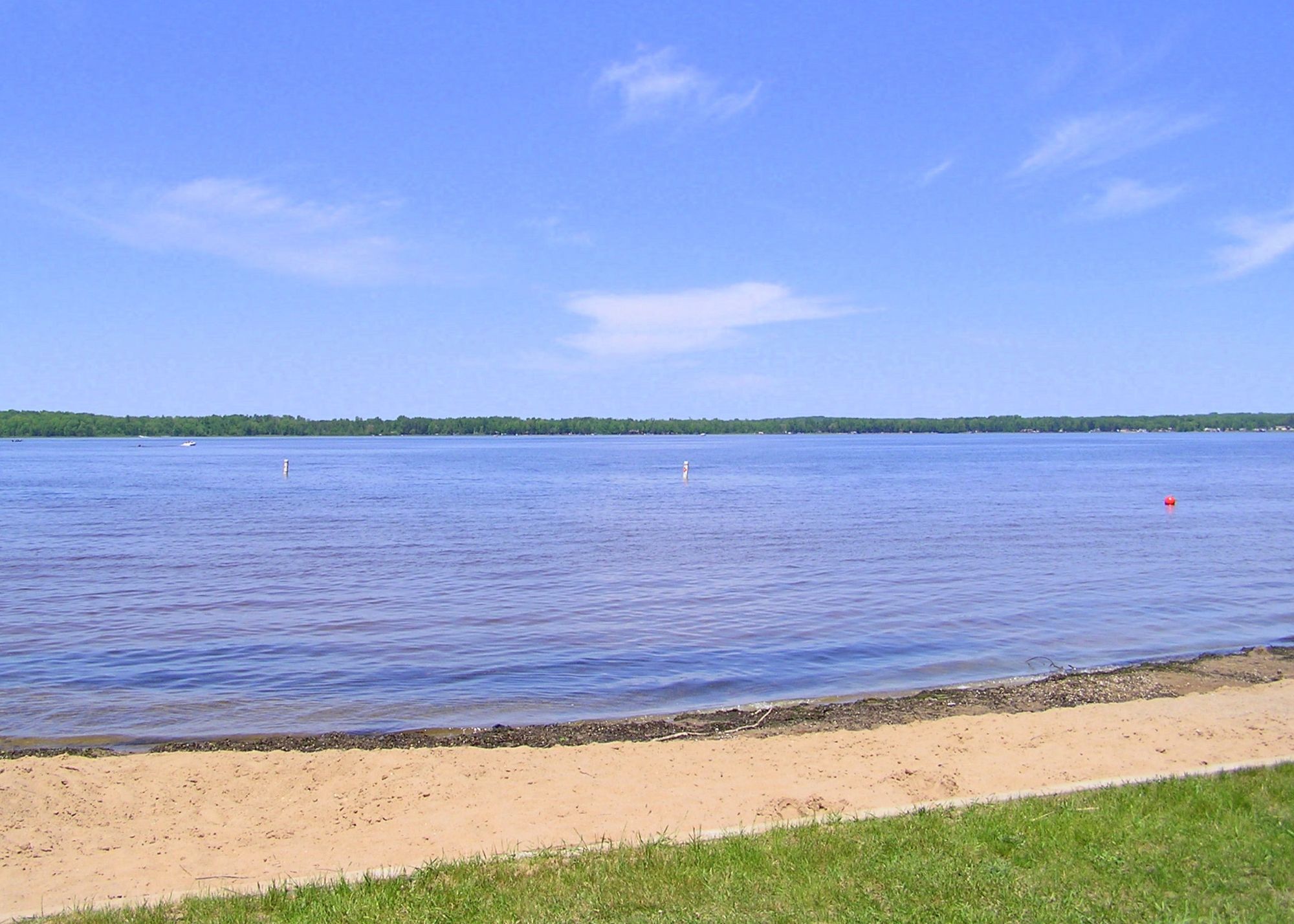
Kekekabic Lake is a fine, deep lake, offering ample space for paddling exploration.