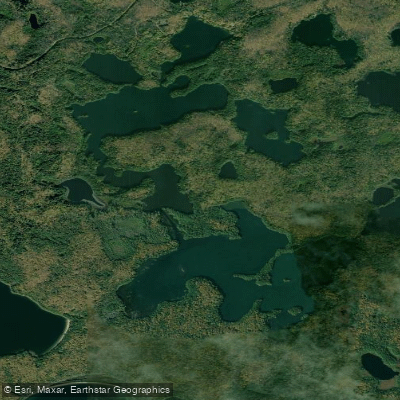
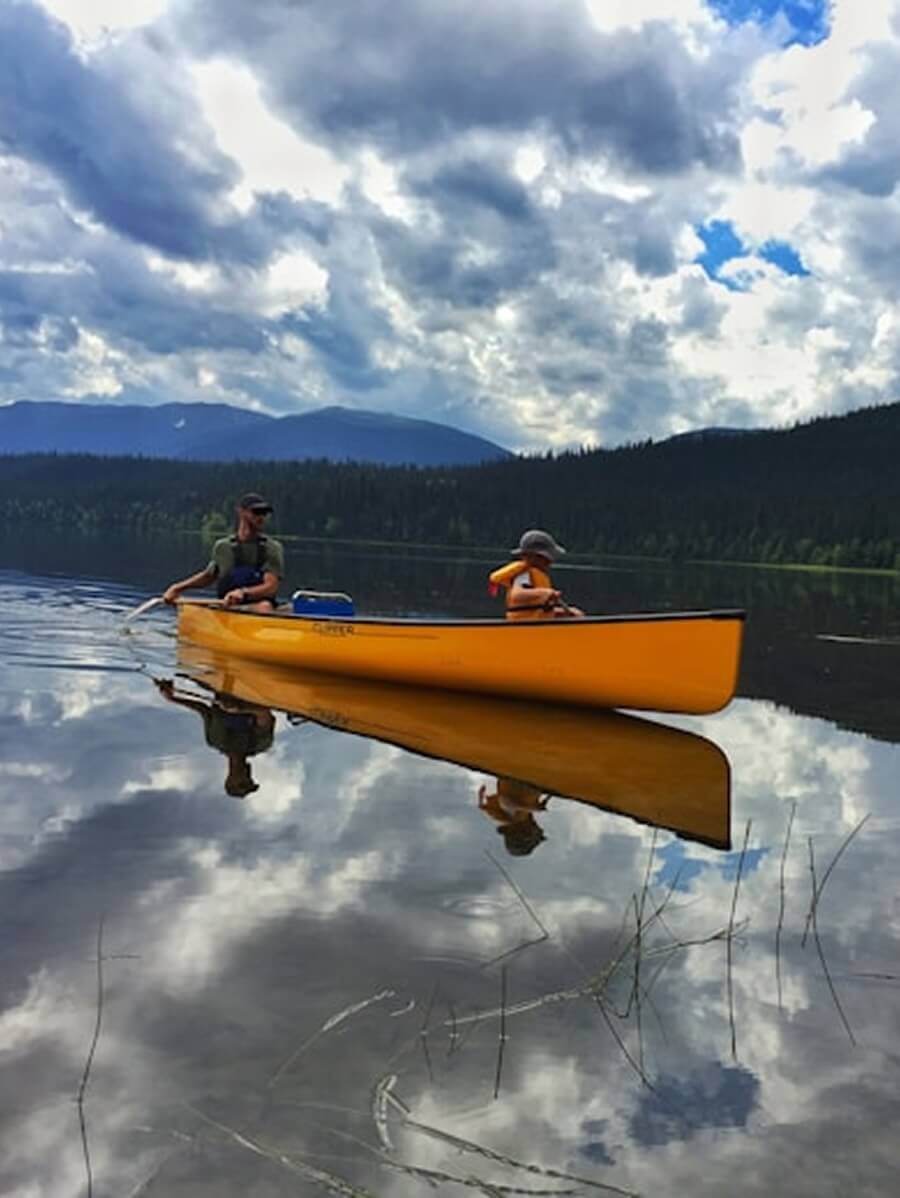
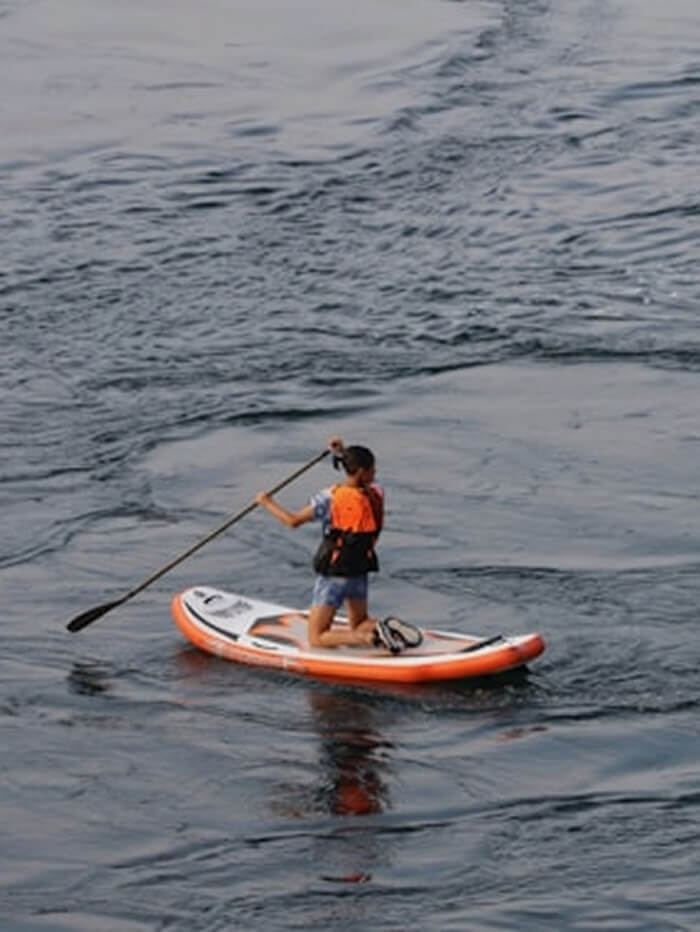
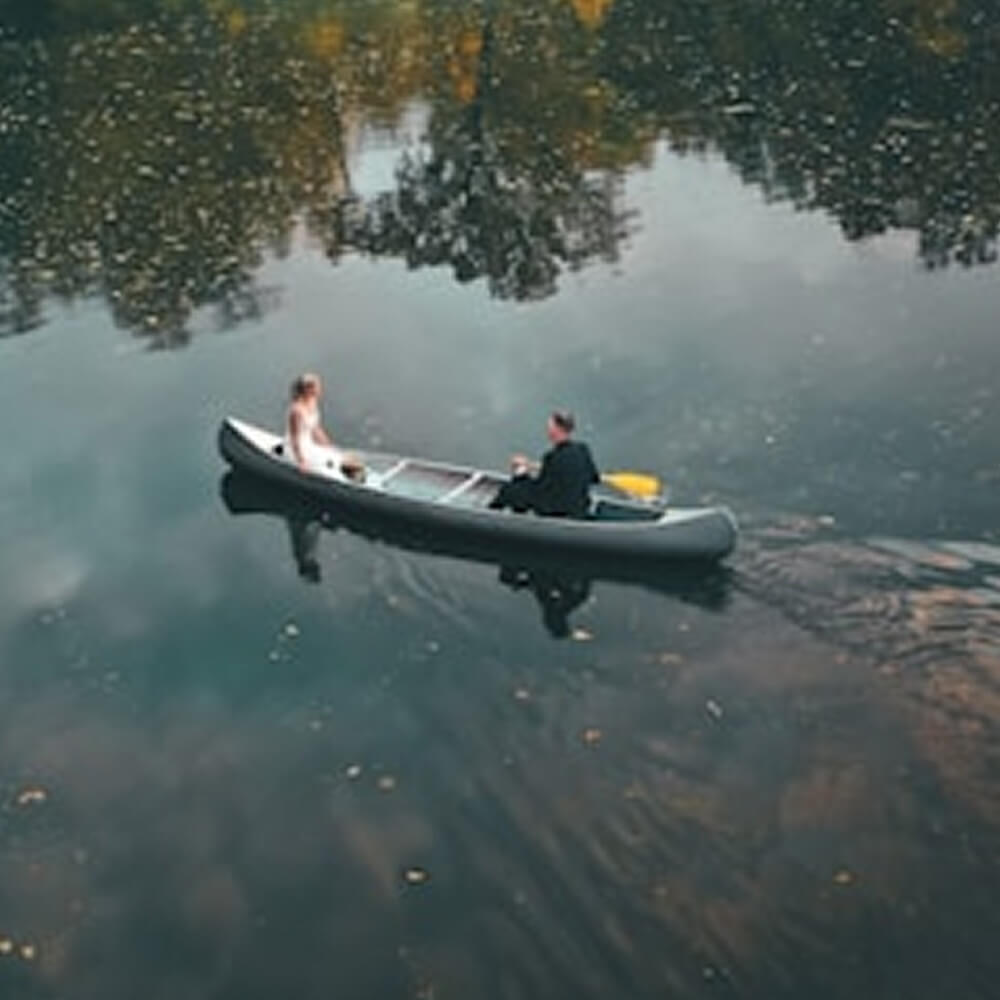
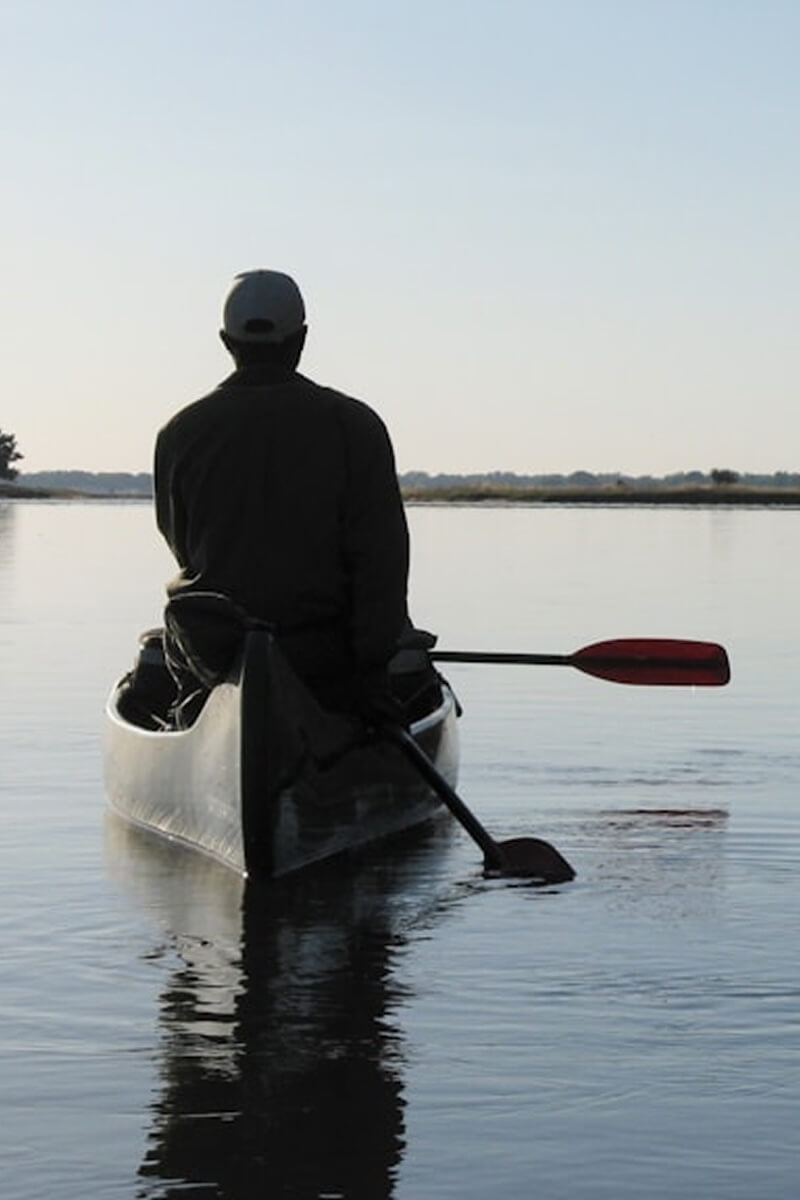
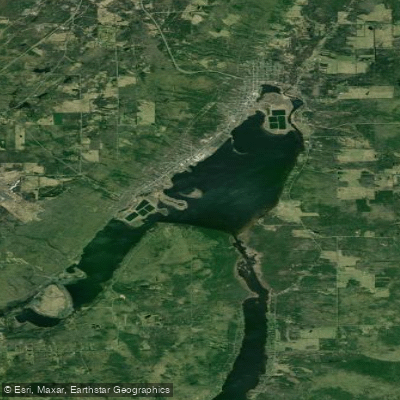
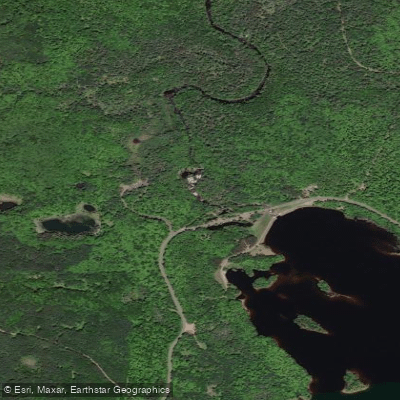
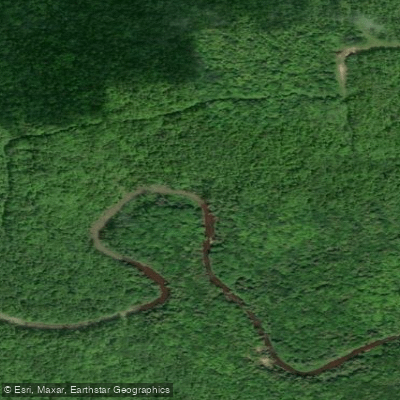
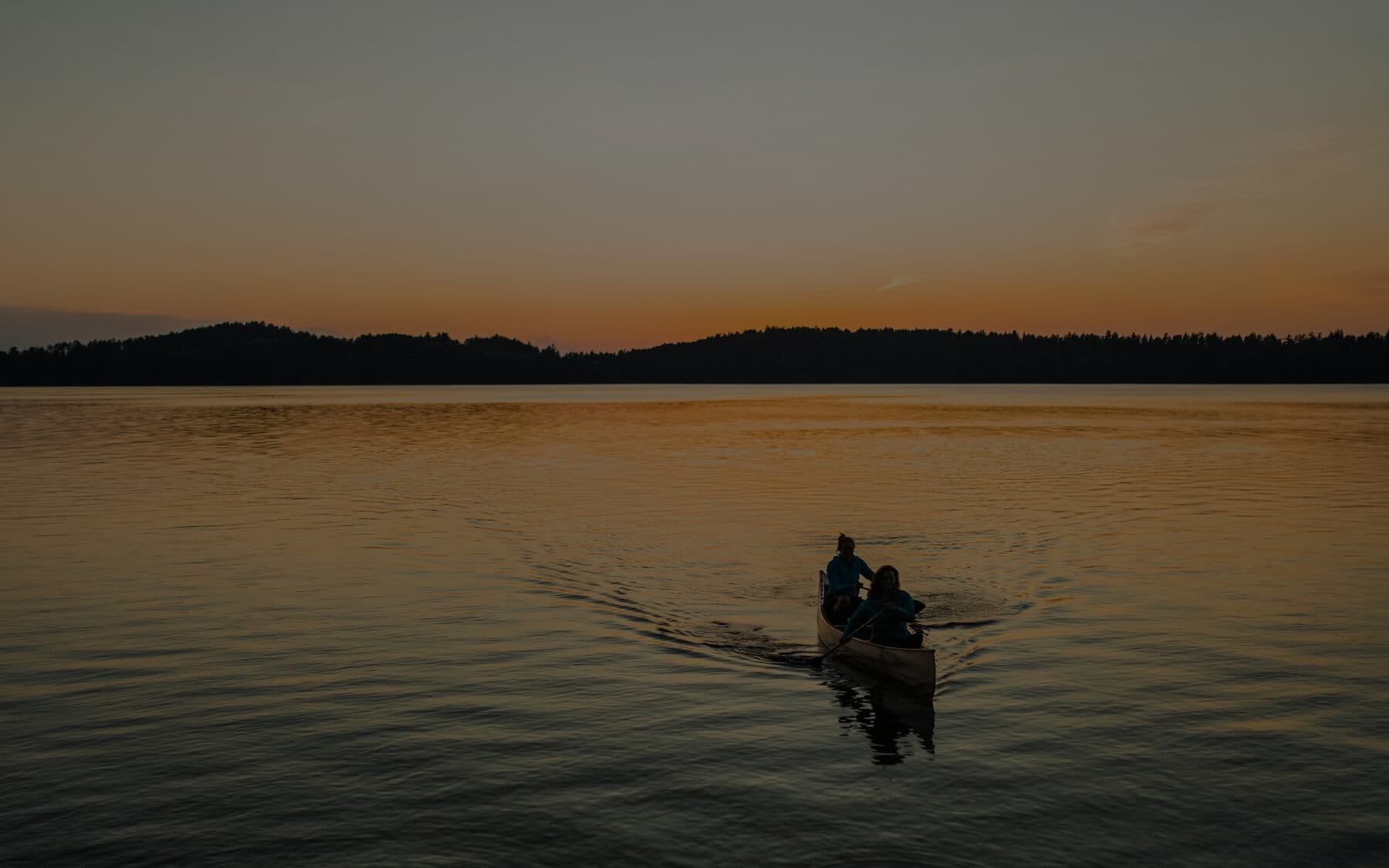
Crooked Lake in Gogebic County, Michigan, is a scenic 565-acre paddling destination located within the Sylvania Wilderness Area of Ottawa National Forest, near the Wisconsin border. This pristine lake is part of a remarkable chain of 34 named lakes within the wilderness, offering paddlers access to over 18,000 acres of protected old-growth forest and crystal-clear waters.
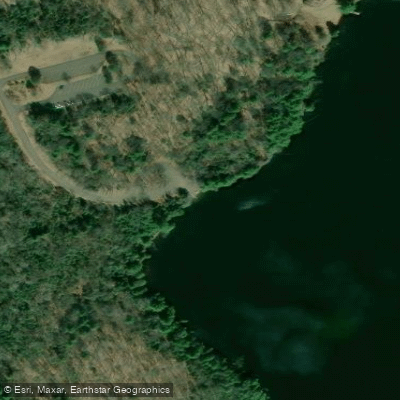
The primary access point is via Ottawa National Forest Road off Silver Hill Road, with the Sylvania Wilderness entrance station providing permits and information. A parking area and boat launch are located on the northeast section of the lake.
Crooked Lake is unique within the Sylvania Wilderness as the only lake allowing electric motors (maximum 48 lbs thrust/4 HP), though non-motorized paddling remains the primary activity. The lake features an irregular, multi-fingered shoreline that creates numerous coves and bays to explore. Water clarity is exceptional due to spring-fed sources and minimal surface runoff, with sandy beaches interspersed among towering red and white pines. The surrounding terrain includes steep ridges and deep valleys with elevation changes that provide scenic overlooks.
Paddlers can access neighboring lakes through established portage trails, creating opportunities for multi-day expeditions. The Crooked Lake Trail offers an 11.3-kilometer paddle route connecting to Mountain Lake, East Bear Lake, West Bear Lake, and other waters via short portages. These portage trails are well-maintained though require carrying watercraft over varying distances.
Wildlife viewing opportunities include white-tailed deer, black bears, beavers, otters, bald eagles, loons, and great blue herons. The lake supports populations of trout, bass, walleye, panfish, and northern pike, with special fishing regulations in effect.
Wilderness permits are required year-round, with camping reservations necessary May 15-September 30 at designated primitive sites along the shoreline. No glass, metal, or foam containers are permitted. The area experiences heavy mosquito activity in late June and July, with optimal paddling conditions in mid-May and October when fall colors peak.