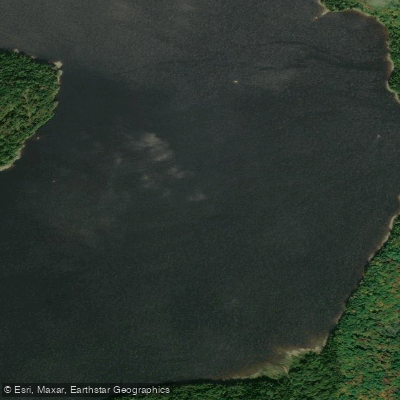
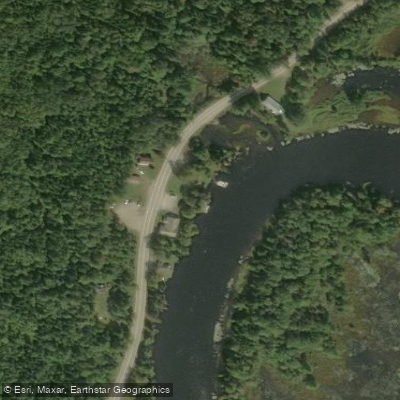
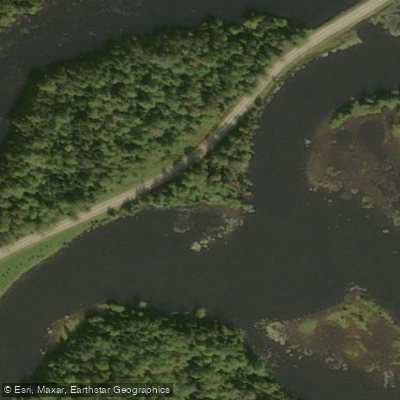
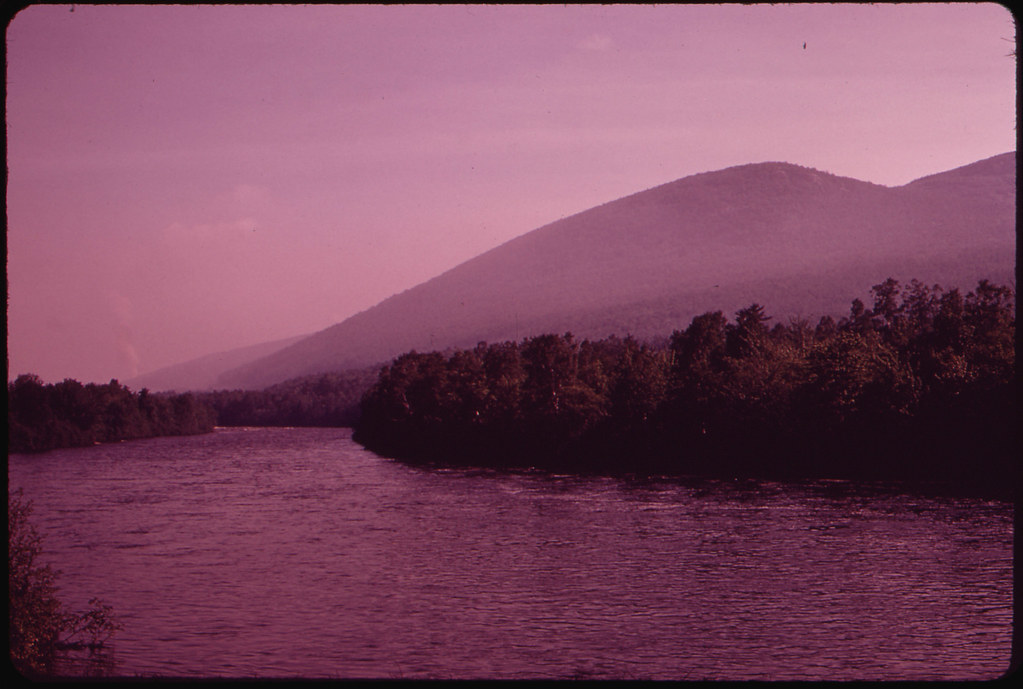
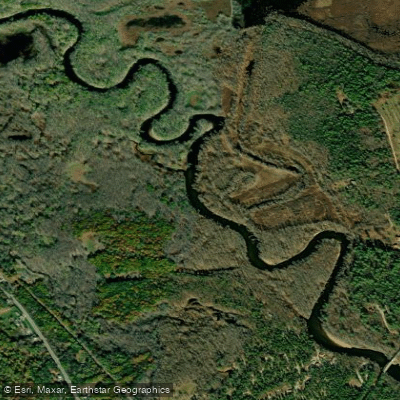
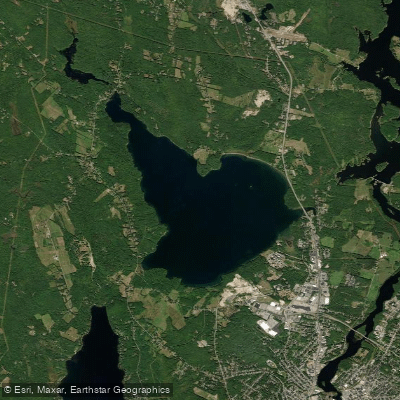
The Magalloway River originates at Parmachenee Lake in northwestern Maine and flows south for approximately 30 miles before emptying into Umbagog Lake on the Maine-New Hampshire border. It is a major tributary of the Androscoggin River system. The river offers a range of paddling experiences, from challenging whitewater to serene flatwater.
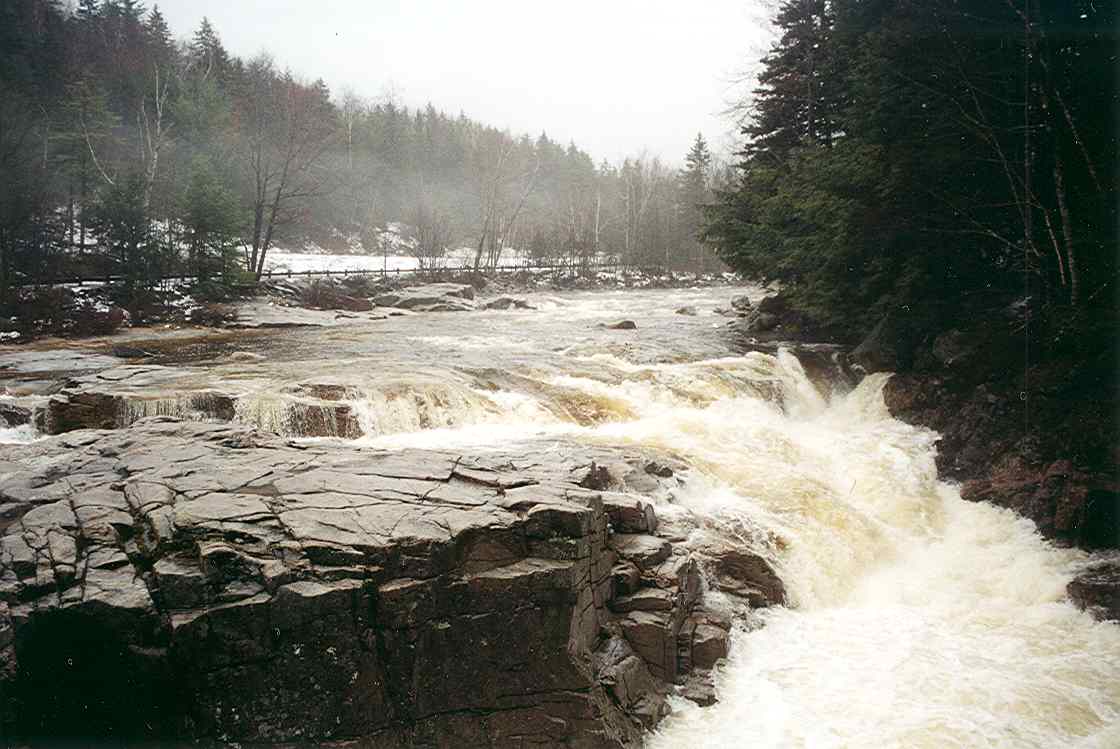
Below Aziscohos Dam, a mile-long stretch of continuous Class III rapids provides an exhilarating start for skilled paddlers. The lower section from Wilson's Mills to Lake Umbagog is more moderate, featuring Class II-III rapids interspersed with calmer stretches.
For a multi-day adventure, paddlers can combine the Magalloway with Lake Umbagog and the upper Androscoggin River. A popular route starts at Wilson's Mills, continues through Lake Umbagog, and finishes at Errol, NH, covering about 30 miles over 2-3 days.
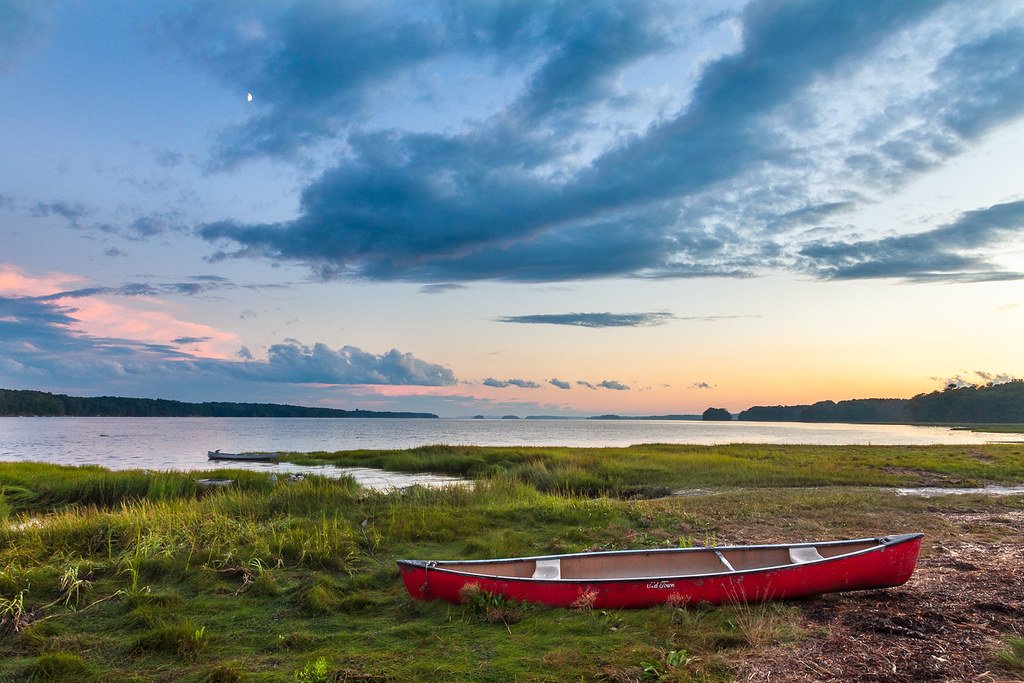
The best paddling season is typically May through September, with spring offering higher water levels for whitewater enthusiasts. Summer and early fall provide more stable conditions for flatwater trips.
The river corridor supports diverse wildlife, including moose, black bears, and bald eagles. The surrounding forests feature a mix of hardwoods and conifers typical of the North Woods region.
Key access points include: - Below Aziscohos Dam (for advanced paddlers) - Wilson's Mills (popular put-in for moderate trips) - Umbagog Lake (take-out or midpoint for longer journeys) - Errol, NH (common take-out on the Androscoggin)
The Magalloway flows through the traditional territory of the Abenaki people and played a role in early logging operations. Today, it's part of the Northern Forest Canoe Trail, a 740-mile water trail spanning four states.
Paddlers should be aware of potential hazards like strainers and cold water, even in summer. Some sections require portaging around dams. Camping is available at designated sites along the river and on Lake Umbagog, but reservations are often required.
The Magalloway River offers a quintessential North Woods paddling experience, combining challenging rapids, serene flatwater, and abundant wildlife viewing opportunities in a remote and scenic setting.