Raccoon Strait
- Saltwater
- Strait
- Coast
- Saltwater
- Strait
- Coast
- Boat Ramps
- 2
- Access Points
- 0
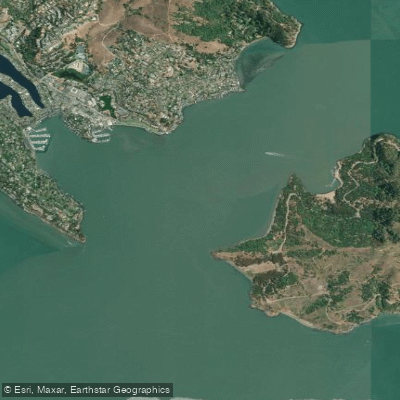
Raccoon Strait is a deep, dynamic tidal channel in San Francisco Bay, separating Angel Island from the Tiburon Peninsula. The strait is over half a mile wide and more than 100 feet deep, through which a significant volume of water flows with the tides. Paddling here requires careful planning and intermediate to advanced skills due to strong currents, which can reach 2.7 to 4 knots on an average ebb and up to 4-6 knots during spring tides. These currents, combined with frequent afternoon westerly winds funneling through the Golden Gate, create challenging conditions including tide rips, standing waves, and confused water, particularly around a bar extending from Point Stuart on Angel Island. The wind exposure across the open strait and the fetch from the main bay can generate significant chop. Slack tide periods around high or low water are the recommended windows for crossing, with a common strategy being to cross to Angel Island on the flood tide and return on the ebb. The strait is a major motorboat shortcut between San Pablo Bay and the Golden Gate, so paddlers must remain alert to vessel traffic, though it is off-limits to large shipping.
Primary launch and take-out points for accessing Raccoon Strait are located in Sausalito. Key sites include Dunphy Park, which offers a beach launch and plentiful parking, and the Bay Model location at 2100 Bridgeway, used by Sea Trek Kayak & SUP. From these Sausalito launches, common routes involve crossing Richardson Bay to the strait. Popular day trips include paddling from Sausalito to Ayala Cove or China Cove on Angel Island, a round trip of approximately 7 to 8 miles. Another route is a one-way trip from Sausalito up the strait to the east side of Tiburon, covering about 6-7 miles. Ayala Cove provides facilities for paddlers, including restrooms and refreshments, while China Cove offers a more secluded beach landing. The aesthetic appeal of the area is significant, featuring stunning views of the Golden Gate Bridge, the San Francisco skyline, Alcatraz, and the Marin Headlands. Wildlife sightings often include harbor seals, pelicans, cormorants, and porpoises. The best times for paddling are generally in the morning or during the fall when winds are calmest, though conditions can be dynamic year-round. Paddlers are advised to use sea-worthy kayaks, carry safety gear including a VHF radio, and consult detailed tide charts before any trip.
Hazards
Hazards on Raccoon Strait
No hazards are marked on Raccoon Strait yet. That is not the same as none being there: if you find one, report it for the next paddler.
From the community
Raccoon Strait trip reports
Nobody has shared a trip on Raccoon Strait yet. Paddle it, then tell the next paddler how it went.
Water access
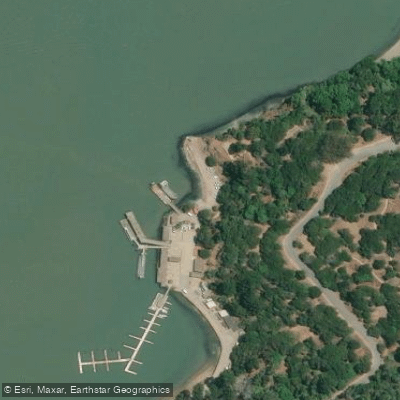
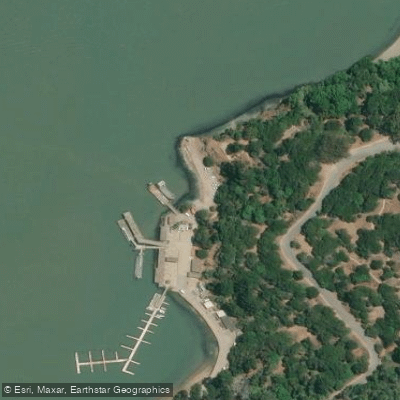
Where to get on and off Raccoon Strait: launch points, boat ramps and bridges.
Tides, wind & water conditions (10 day forecast)
On open water, wind and tide matter as much as the weather. See the best times to paddle Raccoon Strait and check the marine forecast before you launch.
Loading tide predictions…
Paddle smarter with real-time insights
Live flows, marked hazards and fresh trip reports from paddlers who were just on the water, all in one place.







Find Places to Paddle

Over 400,000 Places to Paddle
Every user gets free access to launch points, boat ramps, and public property parcels.


Paddling near Raccoon Strait
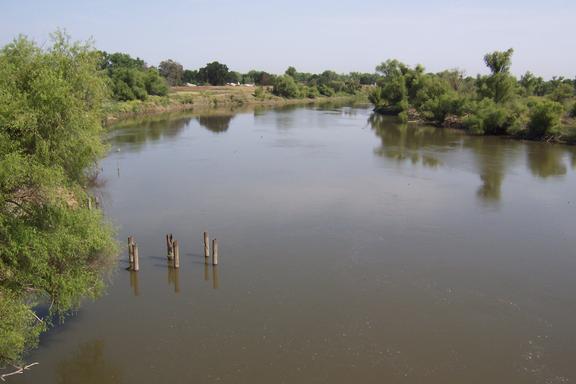
San Joaquin River
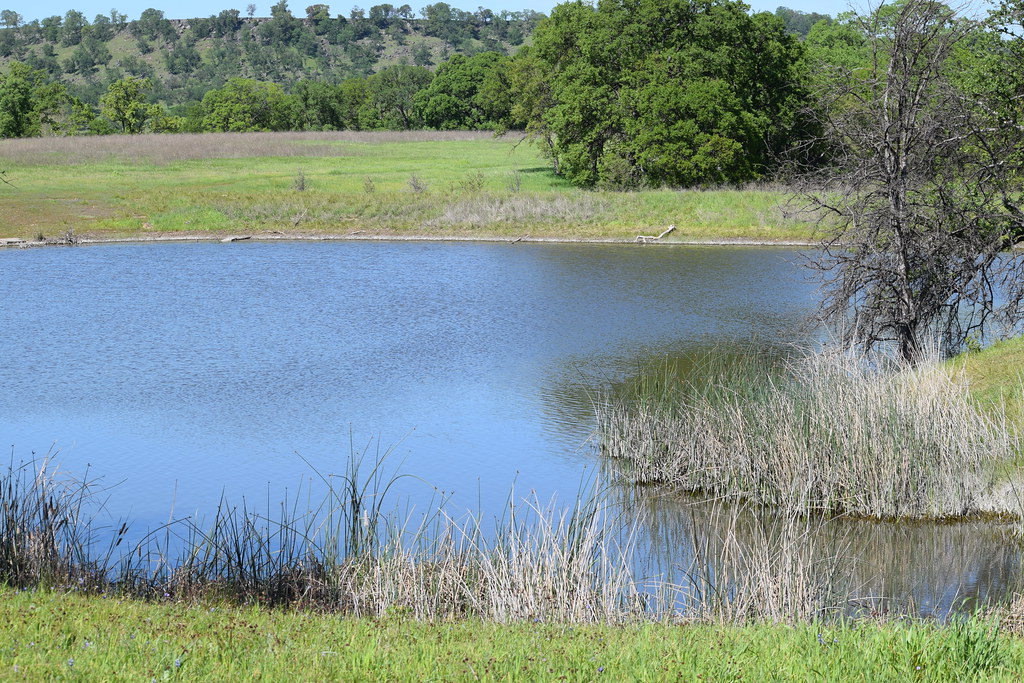
Sacramento River
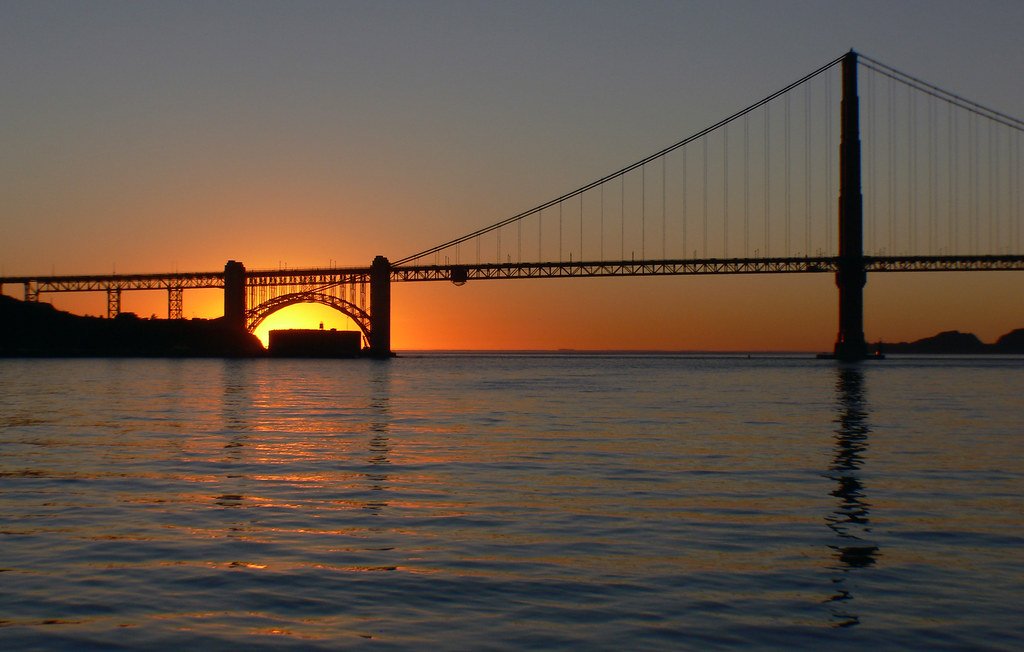
San Francisco Bay
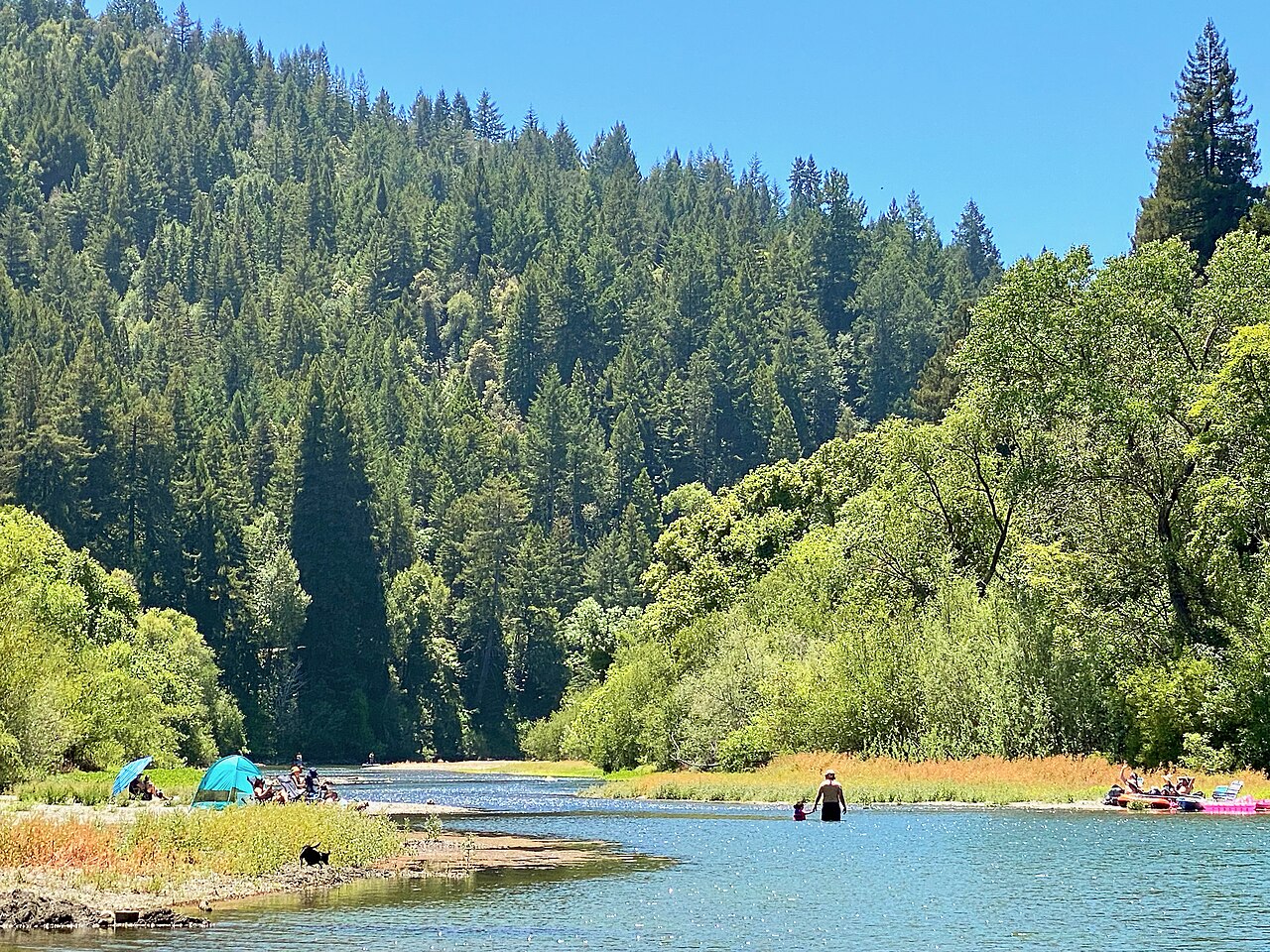
Russian River
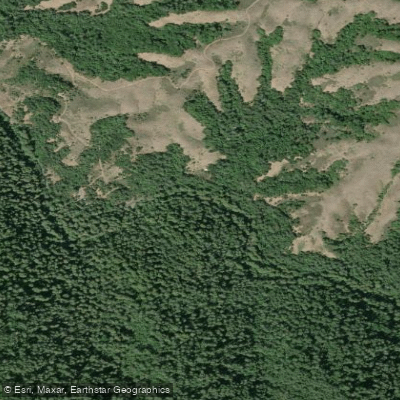
Lagunitas Creek
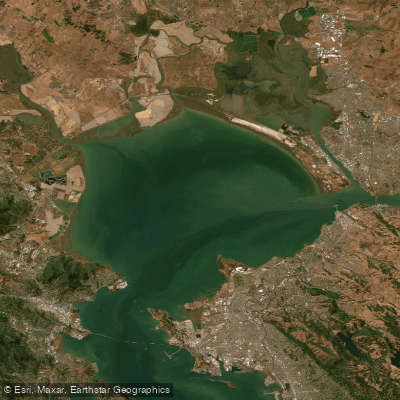
San Pablo Bay
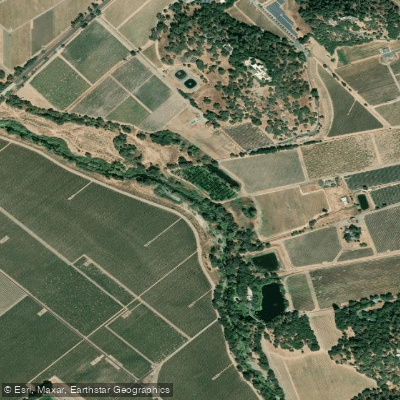
Napa River
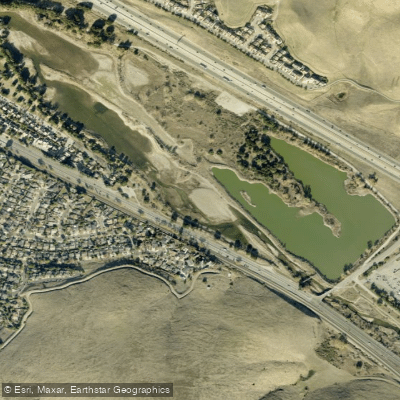
Coyote Creek

Richardson Bay
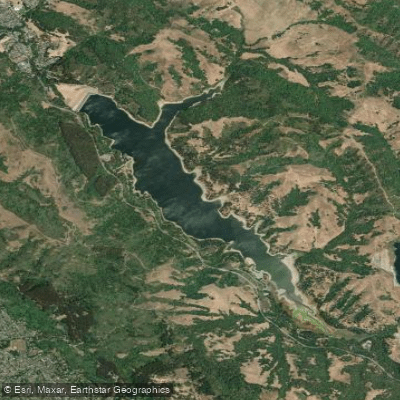
San Pablo Reservoir
Explore California waters
Explore near Raccoon Strait
Access points
- Ayala Cove Marina Boat Ramp
- Angel Island State Park - Ayala Cove Boat Ramp
- Coyote Creek Bridge
- Coyote Creek Bridge
- Ayo Corte Madera Del Pre Bridge
- Ayo Corte Madera Del Pre Bridge
- Ayo Corte Madera Del Pre Bridge
- Kayak Campground
- Bat Wallace Campground
- Ridge Campground
- North Garrison Group Campground
- Eastbay Campground
- All 18 spots
Nearby waters
More in California

Smarter Paddling Starts in the App.
PaddleWays gives you everything you need to plan smarter, paddle better, and own every trip from first launch to takeout.